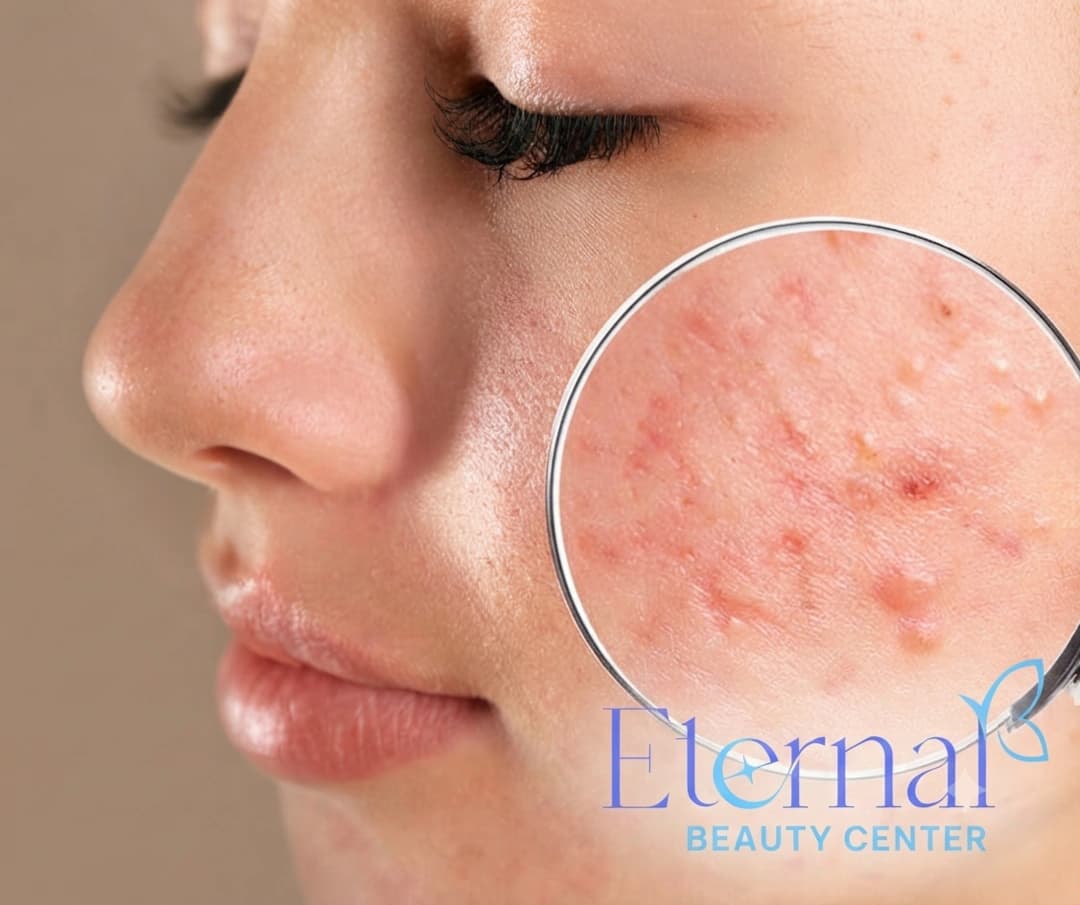
Yes — BHA and retinol can absolutely live in the same routine, but you should not apply both in the same step. Because both BHA (salicylic acid) and retinol speed up skin-cell turnover, layering them at once tends to leave skin dry, flaky, irritated and with a compromised barrier. The safe move is to separate them by time: use BHA in the morning and retinol at night, or alternate nights (one night BHA, one night retinol). Start slow, add one active at a time, and always wear sunscreen — that's the whole trick.
This is an in-depth spoke article within our Skincare Actives Guide, written by the dermatology team at Eternal Beauty Center (Go Vap, Ho Chi Minh City), drawing on the American Academy of Dermatology (AAD), Cleveland Clinic and DermNet.
Can you use BHA and retinol together?
Yes — but it helps to separate two ideas: "using them in the same routine" is not the same as "layering them in one application." BHA and retinol do not chemically cancel each other out; in fact, prescription formulations pairing a retinoid derivative with salicylic acid have been studied for acne (per NCBI/PubMed data). The issue isn't whether they "clash," but that both do the same job — accelerating exfoliation and cell turnover — so stacking them at once overloads the skin.
In short, you can keep both BHA and retinol in your skincare arsenal and enjoy the benefits of each (BHA clears pores, controls oil and acne; retinol fights ageing, treats acne and fades marks). What you need to do is place them at two different times so your skin isn't hit by two exfoliating "pushes" in the same moment.
This is exactly why our Skincare Actives Guide files this pair under ⚠️ "separate by time / alternate" — this article digs into how to do that.
Why you shouldn't apply BHA and retinol in the same step
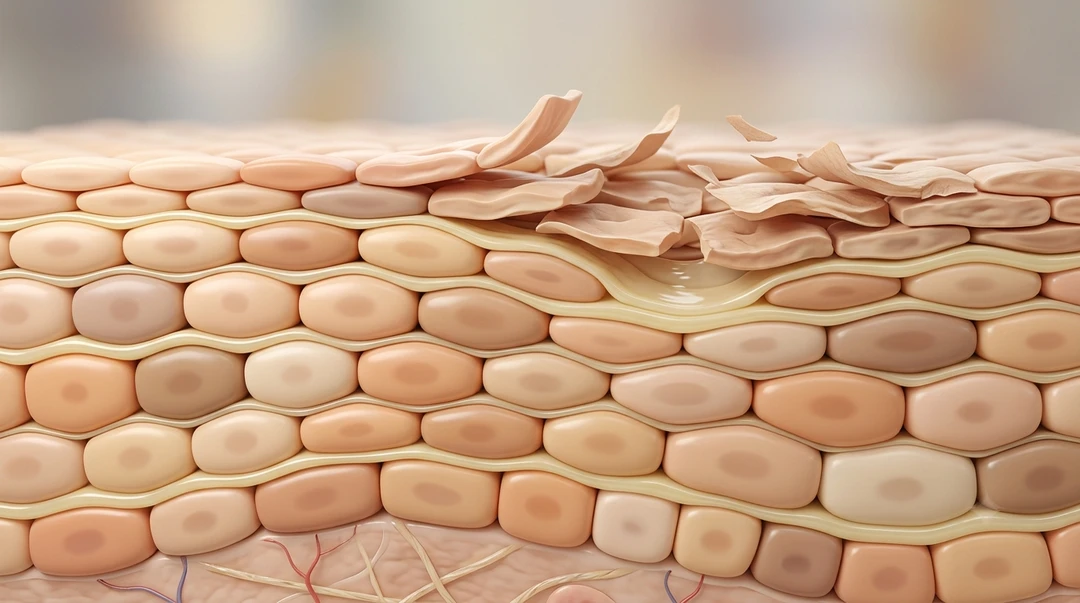
There are three reasons layering BHA and retinol in a single step backfires: overlapping exfoliation, a pH conflict, and the risk of eroding your skin barrier.
1. Overlapping mechanisms — over-exfoliation. Retinol already speeds up cell turnover significantly; a leave-on BHA doing the same thing at the same time pushes skin into over-exfoliation territory. The result is dryness, stinging, reactive redness and — paradoxically — more breakouts. For oily, acne-prone skin there's a vicious cycle too: over-drying the skin triggers more oil production, which can make acne worse (per Cleveland Clinic).
2. A pH conflict. Salicylic acid works best in an acidic, low-pH environment (around 4.5–5.0), while retinol converts most efficiently at skin's more neutral pH. When two leave-on products are layered, the low-pH environment of the BHA can reduce retinol's ability to work while raising the odds of irritation. So layering at once both stresses the skin and makes the retinol less effective — the worst of both worlds.
3. Eroding the skin barrier. The barrier — lipids plus corneocytes — holds moisture in and keeps irritants out. Hit it with two exfoliating actives back to back and it weakens: skin looks deceptively shiny, feels tight and stings, and breaks out more easily. This is the "actives-damaged skin" our Skincare Actives Guide warns about.
Important distinction: BHA + retinol only need to be separated in time to coexist. But benzoyl peroxide + retinol is different — benzoyl peroxide can degrade (oxidise) many retinoids, deactivating them, so those two need a hard AM/PM split, not just "don't apply together." Don't confuse the two cases.
3 safe ways to combine BHA and retinol
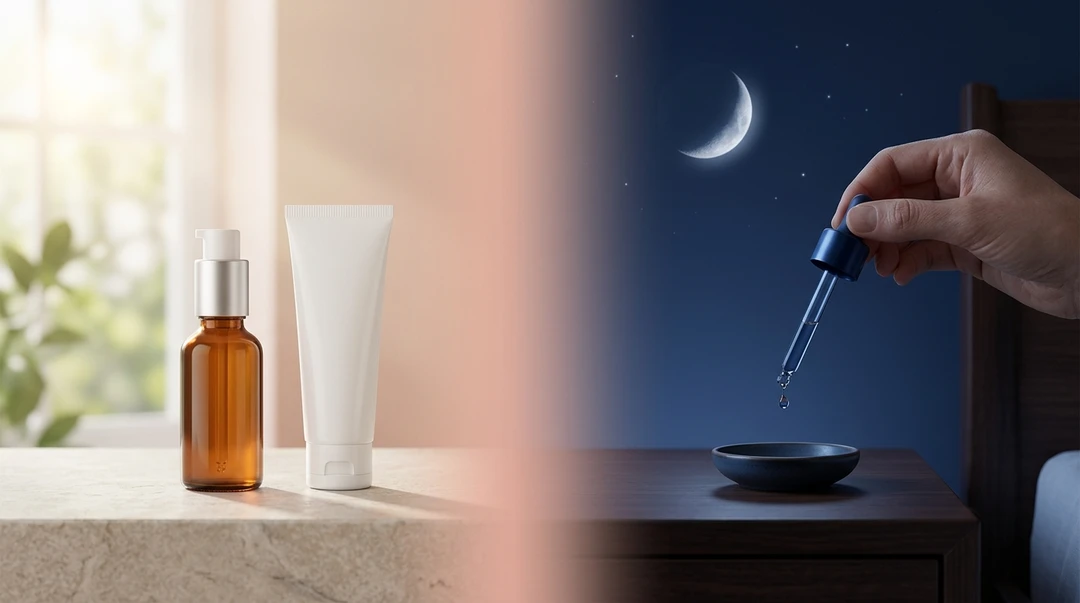
There are three ways to arrange BHA and retinol, differing in intensity and which skin type they suit. Pick one and keep it stable for at least a few weeks before ramping up.
| Method | How to do it | Best for |
|---|---|---|
| ① AM/PM split | BHA in the morning (after cleansing, before moisturiser + sunscreen) — retinol at night | Healthy skin already used to both actives; wants daily use |
| ② Alternate nights | Same evening slot but different nights: BHA night / retinol night / rest night | More sensitive skin, beginners, or anyone who only wants actives at night |
| ③ Rinse-off BHA + leave-on retinol | Use BHA as a cleanser or rinse-off toner (short-contact), then apply leave-on retinol | Keeping both in one evening while minimising irritation |
A few notes on applying these:
Method ① is the most popular and balanced: mornings lean toward cleansing/oil control (BHA) + protection (sunscreen); evenings lean toward renewal (retinol). Remember BHA makes skin more sun-sensitive, so morning sunscreen is non-negotiable.
Method ② is safest for beginners because skin receives only one active per night. Add a "rest" night of just moisturiser to let skin recover.
Method ③ uses the "short-contact" principle: BHA in a cleanser only touches skin for a few seconds before being rinsed off, enough to clear pores without over-exfoliating, so it can share an evening with retinol.
Whichever you choose, use the "sandwich" technique to buffer retinol: apply a thin layer of moisturiser before retinol, then the retinol, then moisturiser on top. This slows retinol's penetration and reduces irritation while keeping it effective.
A 4-week plan to add both to your routine
The "low and slow" principle: add only one new active at a time, start at a low frequency and build up — so if your skin reacts, you know exactly which product to blame. Don't start BHA and retinol in the same week. Here's a reference framework for someone already used to one active who wants to add the other:
| Week | BHA | Retinol | Notes |
|---|---|---|---|
| Weeks 1–2 | 2×/week (if already in use) | 2×/week, low strength (e.g. 0.25%) | Add only one new active; keep the other steady or paused |
| Week 3 | Increase to every other day | Hold 2–3×/week | Watch for dryness/flaking; only increase if fine |
| Week 4 | Morning, daily if tolerated | Night, every other night → nightly | Settle into a stable Method ① or ② |
Throughout:
Patch test on a small area (jawline) before using it all over.
If skin gets dry/flaky: cut the frequency, add moisturiser, pause the new active for a few days, then return more slowly.
Sunscreen every morning is mandatory — both BHA and retinol make skin more sun-sensitive; without sunscreen, your active-ingredient effort is nearly meaningless. See How to use sunscreen correctly.
How to combine them for your skin type
Same BHA + retinol pair, but the dose and frequency should differ by skin type and tone. A quick guide:
Oily, large pores, blackheads/closed comedones: this group benefits most from BHA (oil-soluble, penetrates deep into pores). You can use BHA every morning + retinol at night (Method ①). For inflammatory acne, consider adding a gentle active like niacinamide or azelaic acid to buffer.
Dry or ageing skin: prioritise retinol (anti-ageing), use BHA less often (1–2×/week), and focus on moisturising and barrier repair. Method ② eases the load.
Sensitive, easily flushed skin: start with Method ② (alternate nights) at the lowest strength, with more "rest" nights. Consider a gentler exfoliant than BHA if skin reacts, and always sandwich the retinol.
Darker skin tones (prone to post-inflammatory hyperpigmentation): prolonged irritation on darker skin can leave dark marks. Go very slowly, avoid over-exfoliation, and if post-acne marks appear, see Why do post-acne dark marks linger.
Contraindication to remember: pregnant women should not use retinoids (topical or oral). If breastfeeding, ask your doctor before use.
Purging or irritation? How to tell, and what to do
When you first add BHA or retinol, skin may temporarily "purge" — this is different from true irritation, and the fix differs too. Mistaking one for the other can make you quit an active that's working, or keep pushing a product that's harming your skin.
| Purging | Irritation / barrier damage | |
|---|---|---|
| Signs | Fast breakouts in areas you usually break out; mild dryness/flaking | Burning, stinging, lasting redness; breakouts/rash in new areas; tight, shiny skin |
| Timeline | Transient, improves within ~4–6 weeks | Doesn't ease or worsens with continued use |
| What to do | Persist, keep frequency low, moisturise | Cut frequency or stop, focus on barrier repair |
If you over-exfoliate: stop all actives (BHA, retinol, acids) for 1–2 weeks; return to a minimalist routine — gentle cleanser, a ceramide/niacinamide moisturiser, sunscreen. Once skin settles, reintroduce one active at a time, more slowly than before. See the "3 mistakes that make actives backfire" section in our Skincare Actives Guide.
When at-home actives aren't enough

At-home actives are limited in strength and depth; when acne is stubborn or you keep hitting irritation, a clinic protocol is stronger and more controlled. Signs it's time to see a dermatologist:
Persistent inflammatory or cystic acne that hasn't improved after 8–12 weeks of proper actives → consider an in-depth protocol like E-Acne – medical-grade acne treatment or Acne Peel — a peel with medical-grade actives, performed under control rather than "stacking actives" at home. For acne fundamentals, see What is acne.
Skin flares every time you add BHA/retinol → your routine may be wrong on dose or order; a doctor will analyse your skin, gauge your skin type and tolerance, then redesign a suitable routine.
You want a safe, in-depth peel rather than DIY home peels (risk of burns, hyperpigmentation) → learn more in What is skin peeling.
Frequently asked questions
Can you use BHA and retinol together? Yes, but don't apply both in the same step. Because both accelerate cell turnover, layering them tends to cause dryness and irritation. The safe approach is BHA in the morning and retinol at night, or alternating nights.
Can I apply BHA and then retinol right on top? Not with leave-on products — that's exactly over-exfoliation. If you want both in one evening, use a rinse-off BHA cleanser/toner (short-contact) first, then apply the leave-on retinol.
Should I use BHA or retinol first? If you split AM/PM, you don't have to choose: BHA in the morning, retinol at night. If they must share an evening, cleanse with a rinse-off BHA first, then leave-on retinol — and always sandwich moisturiser around the retinol.
How should oily, acne-prone skin combine them? Oily, acne-prone skin benefits most from BHA. Use BHA every morning and retinol at night, adding niacinamide or azelaic acid to soothe. For severe, stubborn inflammatory acne, see a clinic rather than raising the dose yourself.
How long until I see results with BHA and retinol? Oil control and clearer pores (BHA) may show within a few weeks; retinol for acne, dark marks and ageing usually needs 8–12 weeks or more of consistent use. Consistency and sunscreen matter more than constantly switching products.
My skin is flaking and stinging on both — what should I do? That can signal over-exfoliation. Stop all actives for 1–2 weeks, return to a minimalist routine (gentle cleanser, barrier-repair moisturiser, sunscreen), then reintroduce one active at a time, more slowly. If it keeps recurring, see a dermatologist.
Can I use BHA and retinol while pregnant? Retinoids (retinol) are contraindicated in pregnancy. Low-strength BHA is generally considered cautiously acceptable but ask your doctor. It's best to consult a professional to choose pregnancy-safe actives.
Quick summary
You can use them together — as long as you don't apply BHA and retinol in the same step.
Why separate: both speed up turnover → stacking at once causes dryness, irritation, barrier damage; low-pH BHA also makes retinol less effective.
3 safe ways: ① BHA AM / retinol PM · ② alternate nights · ③ rinse-off BHA + leave-on retinol.
Low and slow: add one active at a time, start low, sandwich moisturiser around retinol.
Sunscreen is mandatory every morning; no retinol during pregnancy.
Tell purging (transient, usual areas) from true irritation (lasting redness/burning, new areas) — the latter means cut back or stop.
Stubborn acne or repeated irritation → visit a clinic: E-Acne, Acne Peel.
Book a skin analysis & routine consult at Eternal Beauty Center
Want to add both BHA and retinol without triggering irritation, or is acne-prone skin just not improving? The dermatology team at Eternal Beauty Center will analyse your skin, gauge your skin type and tolerance, then advise a suitable actives routine — plus an in-depth clinic protocol where needed, with honest expectations about results.
Hotline / Zalo: 0334 713 610
Address: 204 Street No. 1, Ward 16, Go Vap District, Ho Chi Minh City
Opening hours: 10:00 – 20:00 daily
Explore services: E-Acne – Acne Treatment · Acne Peel · Skincare Actives Guide
This article is for informational purposes and does not replace a doctor's diagnosis or prescription. Every skin has different characteristics and tolerance; consult a dermatologist before starting or combining strong actives, especially during pregnancy or breastfeeding.
References
American Academy of Dermatology (AAD) — Retinoids and sunscreen guidance when using actives (aad.org)
Cleveland Clinic — Retinol: how to use; Popular skin care ingredients explained (my.clevelandclinic.org, health.clevelandclinic.org)
DermNet — Topical retinoid; Salicylic acid (dermnetnz.org)
Healthline — Combining exfoliating acids and retinol (healthline.com)
NCBI / PubMed — Retinoid ester combined with salicylic acid in acne treatment (PMID 26516077; PMC5697630)