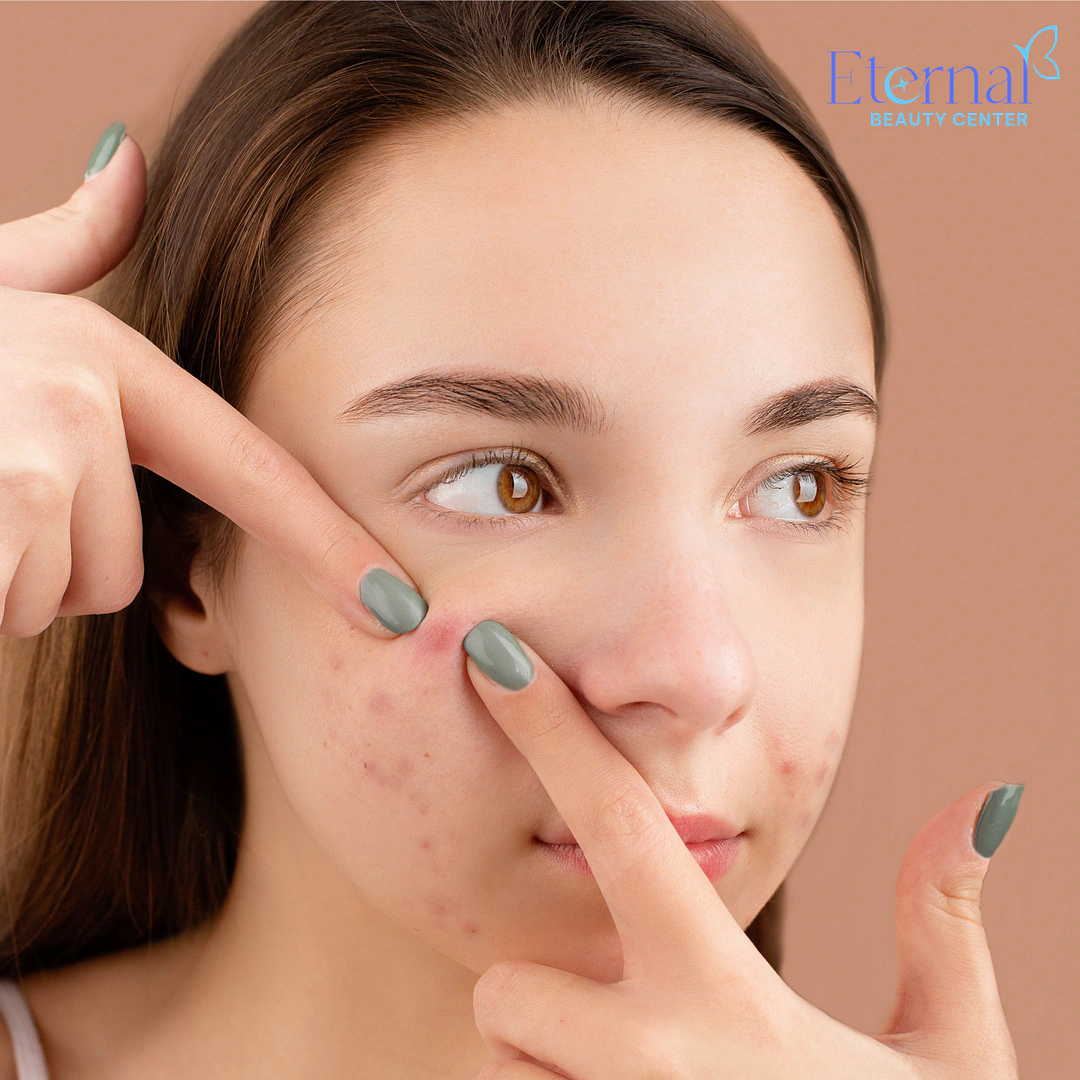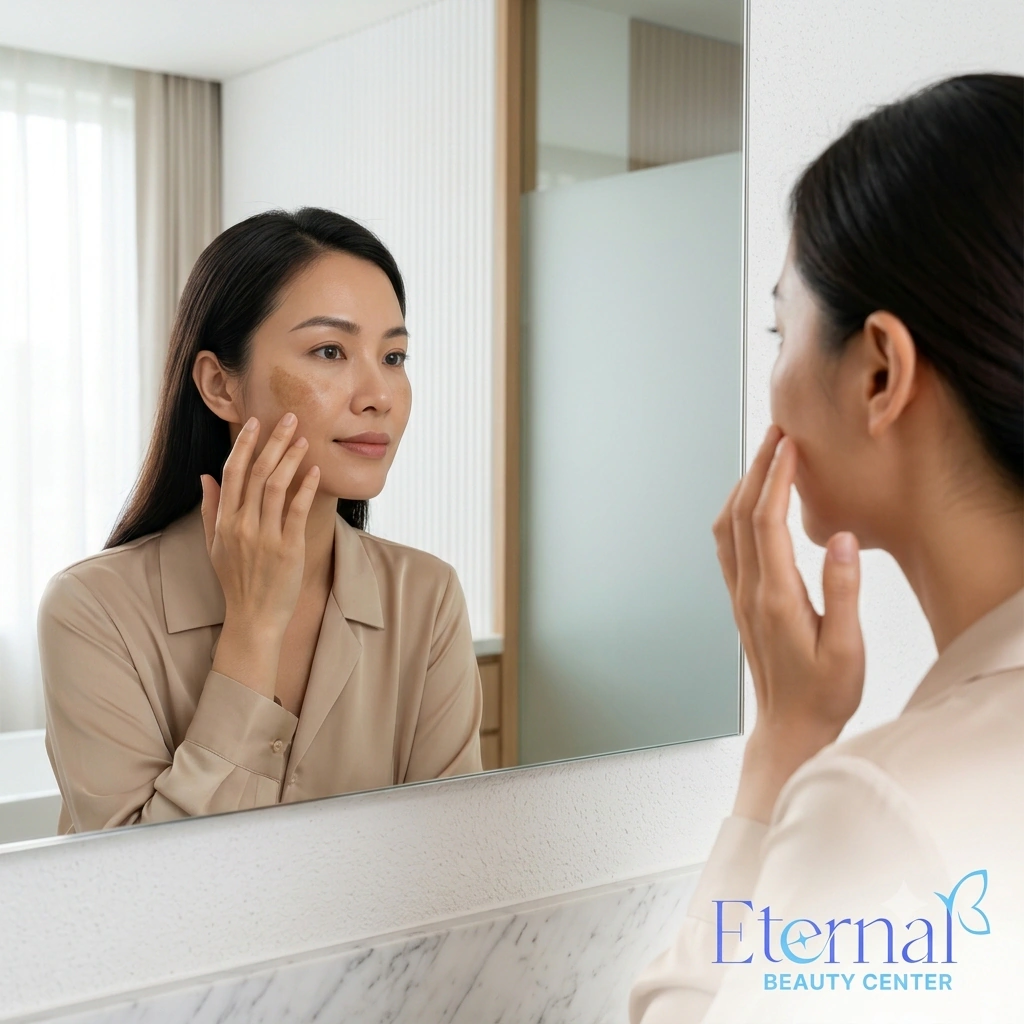
If you could keep only one step in your entire skincare routine, most dermatologists would choose sun protection. It's the cheapest, simplest step — yet it largely determines whether your skin develops melasma, freckles, dark spots and premature aging. In a country with year-round strong sun and a habit of riding motorbikes outdoors, sun protection is something Vietnamese skin simply cannot afford to neglect.
Here's the catch: plenty of people do use sunscreen and still get melasma and dark spots — simply because they use it incorrectly. Too little product, forgetting to reapply, only applying on sunny days, or choosing a product that doesn't block the right rays. This guide will help you truly understand the rays that harm your skin, how to read SPF and PA ratings, how to choose the right sunscreen, and most importantly, how to use it correctly for real protection.
This article draws on guidance from the American Academy of Dermatology (AAD), the Skin Cancer Foundation, DermNet and dermatology research, combined with the melasma and pigmentation treatment experience at Eternal Beauty Center, a skin care clinic in Go Vap, Ho Chi Minh City.
1. Why sun protection is the most important step
Sunlight contains ultraviolet (UV) rays — the leading environmental cause of skin damage. Unprotected UV exposure leads to a cascade of problems:
- Melasma, freckles and brown spots: UV drives pigment cells to overproduce melanin, causing darkening and stubborn melasma patches. For anyone who already has melasma, sun exposure is the number-one reason it relapses even after treatment.
- Slow-fading post-acne marks: dark marks left by acne become darker and more persistent with sun exposure.
- Premature aging (photoaging): wrinkles, sagging, dry dull skin and broken capillaries — most "aging" signs come from UV damage accumulating year after year.
- Skin cancer: at the serious end, accumulated UV damage raises the risk of skin cancer.
The key point: sun damage is cumulative — every unprotected exposure is "charged" to your skin, only to surface years later as melasma, brown spots and wrinkles. That's why sun protection needs to become a daily habit, not just something for the beach or holidays.
2. Understanding UV: UVA, UVB and visible light
To protect your skin properly, you first need to understand what you're protecting against. Sunlight brings three culprits:
UVA — the aging ray
UVA has a longer wavelength (320–400nm), penetrates deep into the dermis, and passes through glass and clouds. It's present at fairly constant levels all day, all year. It's the main driver of skin aging — wrinkles, sagging, darkening — and contributes to melasma. Memory aid: UVA = Aging.
UVB — the burning ray
UVB has a shorter wavelength (290–320nm) and acts mainly on the epidermis. It's the ray that causes sunburn and redness, and the main cause of tanning, darkening and brown spots. UVB is strongest at midday and in summer. Memory aid: UVB = Burning.
Visible light — the little-known trigger of melasma
This is the part most people miss. Beyond UV, visible light (the light we can see, including high-energy visible/blue light from the sun and, to a lesser extent, from screens) plays a significant role in triggering and relapsing melasma. Dermatology research shows that for people with melasma, blocking UVA/UVB alone is not enough — because most ordinary sunscreens don't block visible light.
The solution is a tinted sunscreen containing iron oxides, which effectively block visible light. That's why dermatologists often advise people with melasma and pigmentation to prefer a tinted sunscreen over a clear one. If you're treating melasma but still using an untinted sunscreen, that could well be the missing link.
3. Decoding sunscreen labels: SPF, PA, broad spectrum
Sunscreen labels carry symbols that confuse many buyers. Here's what each rating means:
SPF — UVB protection
SPF (Sun Protection Factor) measures protection against UVB. The number indicates how much it blocks:
- SPF 15 blocks about 93% of UVB.
- SPF 30 blocks about 97% of UVB.
- SPF 50 blocks about 98% of UVB.
The AAD recommends SPF 30 or higher. Important: no sunscreen blocks 100% of UV, and a higher SPF does not mean you can stay in the sun longer without reapplying. SPF only works as promised when you apply enough (see section 5).
PA — UVA protection
The PA rating (common on Asian sunscreens — Korean, Japanese) measures protection against UVA:
- PA+: basic UVA protection.
- PA++: moderate.
- PA+++: high.
- PA++++: very high.
Because UVA causes aging and contributes to melasma, in a climate like Vietnam's, prioritize PA+++ or higher.
"Broad Spectrum"
A "broad spectrum" label means the sunscreen protects against both UVA and UVB. This is essential — a product with high SPF but no broad-spectrum coverage still leaves your skin exposed to aging UVA.
Water Resistant
A "water resistant" label indicates the sunscreen stays effective while swimming or sweating for 40 or 80 minutes (stated on the package). No sunscreen is fully waterproof — you must still reapply after swimming or toweling off sweat.
In short, when choosing a sunscreen: SPF ≥ 30, PA+++ or higher, broad spectrum, and tinted if you have melasma/pigmentation.
4. Mineral vs. chemical sunscreen — which to choose?
There are two main categories of sunscreen:
- Mineral (physical) sunscreen: contains zinc oxide and/or titanium dioxide. It forms a protective layer as soon as it's applied, is gentle and rarely irritating — well suited to sensitive skin, skin in treatment, and post-peel/laser skin. Downside: it can leave a slight white cast.
- Chemical sunscreen: contains organic UV filters (like avobenzone, octinoxate...). Usually lightweight, fast-absorbing, no white cast, and blends into skin. Apply about 15 minutes before sun exposure to let it activate.
Neither is universally "better" — what matters is choosing the type that suits your skin and that you'll use consistently. For those with sensitive skin or undergoing melasma, pigmentation or acne treatment, a mineral sunscreen (especially a tinted one with iron oxide) is often the safest and most effective choice, being both gentle and able to block visible light.
5. How to use sunscreen correctly
This is the most important part — and where most people go wrong. According to the AAD, most people apply only 25–50% of the needed amount, meaning real protection is far lower than the SPF number on the label.
Apply enough: the "two-finger rule"
- For the face: use at least 1 teaspoon — the amount needed to cover the length of two fingers (index and middle). This is the easy-to-remember "two-finger rule."
- For the whole body: an adult needs about 1 ounce (~30ml) — a full shot glass — to cover all skin not covered by clothing.
Under-application is the number-one reason sunscreen "doesn't work" even at high SPF.
Apply 15 minutes before sun exposure
Skin needs about 15 minutes to absorb and activate the protective layer. Apply before going outdoors, not once you're already standing in the sun.
Reapply every 2 hours
This is the most-skipped step — an AAD survey found only about one-third of people reapply every two hours.
- Reapply every 2 hours while outdoors.
- Reapply immediately after swimming, heavy sweating, or wiping your face.
- For those wearing makeup: use a spray, powder or stick sunscreen to reapply without ruining your makeup.
Don't forget commonly missed spots
Many people cover the face well but forget the ears, neck, nape, backs of the hands, tops of the feet, hairline, and lips (use a lip balm with SPF). These are all areas that quickly show aging and sun damage.
6. Sun protection is more than sunscreen — cover up fully
The AAD stresses: don't rely on sunscreen alone, because no product blocks 100% of UV. Combine multiple layers of protection:
- Seek shade, especially during peak hours (roughly 10am–4pm).
- Wear sun-protective clothing: long sleeves, long pants, tightly woven fabric; prefer clothing with a UPF rating if available.
- Wear a wide-brimmed hat to shield the face, ears and neck.
- Wear UV-blocking sunglasses to protect the eyes and the skin around them.
- For frequent motorbike riders: a face mask, sun jacket and gloves are highly effective "armor" for Vietnamese skin.
Think of sunscreen as one part of the strategy, not the whole of it.
7. 6 common sun-protection mistakes
- Applying too little. Most people use only 25–50% of the needed amount, making the real SPF far lower than the label number.
- Only applying on sunny days. Up to 80% of UV penetrates clouds — overcast, cool days still call for sun protection.
- Forgetting to reapply. Only about a third of people reapply every 2 hours; one morning application isn't enough for the whole day.
- Thinking darker skin doesn't need protection. Every skin tone can suffer UV damage, melasma and skin cancer. Darker skin still needs full sun protection.
- Relying on sunscreen alone, skipping cover-up. No sunscreen blocks 100% of UV — combine with a hat, clothing, sunglasses and shade.
- Using expired sunscreen or storing it poorly. Sunscreen generally stays effective for about 3 years; leaving it in a hot motorbike compartment degrades it. Check the expiry and store it somewhere cool.
One "hidden" mistake for people with melasma: using an untinted sunscreen — leaving visible light unaddressed (see section 2).
8. Sun protection for special situations
Skin undergoing melasma, pigmentation, post-peel or post-laser treatment
This group needs the strictest sun protection. Skin after melasma treatment, post-acne pigmentation treatment, biological skin renewal or laser is more sensitive and highly prone to hyperpigmentation with sun exposure. Without proper sun protection, treatment results can be undone — or your melasma and dark spots can even worsen. Prioritize a gentle, tinted, mineral sunscreen combined with thorough cover-up. (See also Summer Laser Hair Removal — sun protection is a key step after every hair-removal session too.)
Oily and acne-prone skin
Choose a lightweight, non-comedogenic sunscreen — gel or fluid textures that feel less greasy. Don't skip sunscreen for fear of "clogging pores"; sun damage makes post-acne marks far more persistent.
Indoors, near windows, using computers/phones
UVA passes through window glass, and screens emit visible light. If you sit near windows or work at a screen all day, you should still apply sunscreen — especially if you have melasma.
Young children
For infants under 6 months, prioritize cover-up and sun avoidance over broad sunscreen application. Older children should use a gentle mineral sunscreen with thorough cover-up. When in doubt, consult a doctor.
9. Sun protection and treatments at Eternal Beauty Center
At Eternal Beauty Center (Go Vap, Ho Chi Minh City), sun protection is a mandatory step in the aftercare guidance for every treatment. Whatever method you choose, results won't last if the skin isn't protected from the sun:
- Mela Peel – intensive post-acne pigmentation treatment: after a peel, skin needs careful sun protection so dark marks don't return.
- E-Mela – treatment for stubborn cheek melasma: melasma relapses easily with sun and visible light — proper sun protection is a prerequisite for keeping results.
- Eternal Peel – biological skin renewal: freshly renewed skin is more sensitive and needs careful shielding.
At the clinic, you'll receive a skin examination, skin analysis and consultation on the sunscreen and routine best suited to your skin — especially if you have melasma, dark spots or sensitive skin.
10. Frequently asked questions
Do I need sunscreen indoors? Yes, if you sit near windows or have a lot of screen exposure. UVA passes through glass, and visible light can worsen melasma. People with melasma should apply sunscreen even indoors.
Is SPF 50 much better than SPF 30? SPF 30 blocks ~97% of UVB, SPF 50 ~98% — a small difference. More important than the number is applying enough and reapplying on time. A high SPF doesn't let you stay out longer while skipping reapplication.
How often should I reapply sunscreen? Every 2 hours outdoors, and immediately after swimming, heavy sweating or wiping your face.
What sunscreen should I choose if I have melasma? Prioritize broad spectrum, SPF ≥ 30, PA+++ or higher, and tinted (with iron oxide) to also block visible light — the factor that triggers relapse and that untinted sunscreens miss.
Is sunscreen enough to protect my skin? Not on its own. Combine cover-up: a wide-brimmed hat, long sleeves, UV sunglasses and shade. No sunscreen blocks 100% of UV.
Mineral or chemical sunscreen — which is better? Neither is universally better. Sensitive or in-treatment skin should prefer mineral (tinted); those who like a lightweight, fast-absorbing texture may choose chemical. The best one is the one you'll use consistently and in sufficient amount.
Do I need sunscreen on cool or overcast days? Yes. Up to 80% of UV penetrates clouds, so skin is still affected on overcast days.
11. Key takeaways
Sun protection done right is the highest-return "investment" for your skin — preventing melasma, dark spots and aging, and protecting long-term skin health. Remember the core principles:
- Know the enemy: UVA (aging), UVB (burning, darkening) and visible light (triggers melasma).
- Choose right: SPF ≥ 30, PA+++ or higher, broad spectrum; tinted if you have melasma/pigmentation.
- Apply enough: the two-finger rule for the face, a shot glass for the whole body.
- On time: apply 15 minutes before, reapply every 2 hours and after swimming/sweating.
- More than sunscreen: combine a hat, clothing, sunglasses and shade.
- Every day, even on cool days and indoors — because 80% of UV penetrates clouds and UVA passes through glass.
- For skin undergoing melasma/pigmentation/post-peel/laser treatment, sun protection is the deciding factor in keeping results.
Book a skin analysis & consultation at Eternal Beauty Center
Not sure which sunscreen suits your skin, or struggling with melasma and dark spots that won't improve? The Eternal Beauty Center team will analyze your skin, assess your pigmentation and recommend a sun-protection and treatment routine tailored to you.
- Hotline / Zalo: 0334 713 610
- Address: 204 Street 1, Ward 16, Go Vap District, Ho Chi Minh City
- Opening hours: 10:00 – 20:00 daily
- Explore melasma & pigmentation services: Mela Peel · E-Mela
Medical disclaimer: This article is for informational purposes only and does not replace a personal examination, diagnosis or medical advice. Skin conditions and sun-protection needs vary by individual. Please consult a qualified dermatology professional for skin concerns, especially melasma and other pigmentation disorders.