Summer means tank tops, shorts and swimwear — and it's also when underarm, leg and bikini hair becomes hardest to hide. It's no surprise that as soon as the hot months arrive, more people start looking into laser hair removal. But summer is also when skin gets the most UV exposure all year, and that creates a paradox few people notice: the time you most want to remove hair is also the time your skin is most sensitive to laser.
The good news: you absolutely can have safe, effective laser hair removal in summer — as long as you know how to prepare beforehand, care for your skin afterward, and avoid the common mistakes that undermine results. This guide explains it all: how laser hair removal works, why it takes multiple sessions, how many sessions you need to be smooth in time for beach season, and exactly what to do (and avoid) before and after each treatment.
This article draws on guidance from trusted dermatology organizations — the American Academy of Dermatology (AAD), Cleveland Clinic, Mayo Clinic and the American Society of Plastic Surgeons (ASPS) — combined with the real-world protocol at Eternal Beauty Center, a skin care clinic in Go Vap, Ho Chi Minh City.
1. Why summer is peak hair-removal season — and the sun paradox
There are three very down-to-earth reasons summer becomes hair-removal season:
- More revealing clothes: tank tops, slip dresses, shorts, swimwear — underarms, legs and the bikini line are all on show.
- Beach and travel plans: no one wants to shave in a rush in a hotel room right before jumping in the pool.
- More sweating: thick underarm hair plus summer heat traps moisture and odor, and dents your confidence.
But this is also when you need to understand the sun paradox of laser hair removal. Laser targets melanin — the pigment that gives color to both the hair shaft and tanned skin. When your skin is freshly tanned from the beach and darker than usual, the laser struggles to "distinguish" between melanin in the follicle and melanin in the skin, raising the risk of mild burns and pigment changes (temporary darkening or light patches).
The AAD advises not tanning — outdoors or indoors — and avoiding sunless tanners before and after laser hair removal, and applying sunscreen every day. In other words: summer hair removal is possible, but it demands more sun discipline than any other season.
Practical tip: If your goal is smooth, beach-ready skin, start your course 2–3 months before the trip, so you complete the first few sessions while your skin isn't tanned and give it time to rest before sun exposure. Planning ahead is exactly what the ASPS highlights as the key to great warm-weather results.
2. How laser hair removal works
Laser hair removal relies on a principle called selective photothermolysis. The laser emits light at a wavelength that's absorbed by the melanin in the hair follicle and converted into heat. That heat damages the follicle — the "factory" that produces hair — so the hair falls out and regrowth is slowed and weakened, while the surrounding skin is spared.
One thing to get right from the start: the laser acts on the follicle, not by "burning off" the visible hair on the surface. That's why laser gives far longer-lasting results than shaving, waxing or plucking, which only remove hair that has already grown.
Why you need multiple sessions — not "one and done"
The answer lies in the hair growth cycle. Every hair passes through three stages:
- Anagen (growth stage): the follicle holds the most melanin, and this is the only stage where laser works most effectively.
- Catagen (transition stage): the follicle shrinks.
- Telogen (resting stage): the hair sheds and the follicle "sleeps."
At any given moment, only a fraction of your follicles are in the anagen stage. So a single session only "catches" the follicles active at that time. To treat the majority of follicles, you have to repeat the course over several sessions, spaced weeks apart, to "catch" follicles as they each enter the growth stage.
"Permanent" hair removal — understood correctly
The phrase "permanent hair removal" is everywhere, but medically, dermatologists describe it more precisely as **permanent hair *reduction***. According to Cleveland Clinic and the AAD:
- After the first session, you may see hair reduced by roughly 10–25%.
- After completing the course, most people see no hair for months, sometimes years.
- When hair does return, it's usually finer, sparser and lighter in color.
- Some people need periodic maintenance sessions to keep results.
That's the honest, accurate expectation: laser dramatically reduces hair and delivers a noticeably smoother feel — it's not a one-visit miracle that erases 100% forever.
3. How many sessions do you need? A timeline for summer
This is the most-searched question. The honest answer: it depends on your body, but there's a clear reference range.
- Most people need about 5–8 sessions per area for a clear reduction in hair. Some dermatology sources note around 6–8 sessions for body areas.
- Spacing between sessions: usually 4–6 weeks. Body areas (legs, back) have a longer hair cycle and may stretch to 6–8 weeks; facial areas are often closer together.
- Maintenance sessions may follow, roughly 1–2 times a year depending on the person.
The number of sessions depends on: hair and skin color (dark hair on lighter skin responds best), body area, hair density and thickness, and hormones (hormonal imbalances can make hair more stubborn).
A suggested timeline to be smooth in time for the beach
Because sessions are 4–6 weeks apart, you need to count backward:
| Goal | Start this far ahead | Why |
|---|---|---|
| Smooth for a specific beach trip | 3–4 months | Enough for the first 3–4 sessions + skin rest, avoiding treatment right before sun exposure |
| Stable results all summer | 4–6 months ahead (i.e. from spring/early year) | Complete most of the course while skin isn't tanned |
| Long-term maintenance | Any season, ideally low-sun months | Skin is less UV-affected and safer |
Scheduling tip: Don't book a session right before a beach trip (within 1–2 weeks). Post-treatment skin needs to avoid strong sun, while the beach does the opposite. Ideally, finish your most recent session at least 2 weeks before heavy sun exposure.
4. How to prepare before each session
Proper preparation determines most of a session's effectiveness and safety. Here's what to do, organized by timeline.
2–4 weeks before: cut the sun and stop waxing/plucking
- Avoid the sun and absolutely no tanning — no tanning beds, no sunless tanners. Tanned skin makes the laser less effective and raises the risk of side effects.
- Stop waxing, plucking or using depilatory creams for at least 4 weeks before treatment. These methods pull out the follicle and root — the laser's target. No follicle means nothing for the laser to act on.
- Apply sunscreen daily to the area to be treated if it's exposed.
2–3 days before: shave the area clean
Unlike waxing and plucking, shaving is actually recommended — because it only cuts the hair at the surface and leaves the follicle intact below. Shaving 2–3 days before (or per your technician's guidance) helps to:
- Focus the laser's energy on the follicle instead of "burning" long surface hair.
- Reduce the stinging sensation and singed smell during treatment.
- Avoid burns from overly long hair (laser isn't effective when hair is longer than a grain of rice).
Treatment day: clean skin, no cosmetics
- Arrive with clean skin — no moisturizer, deodorant, perfume, makeup or oils on the area to be treated.
- Tell your technician/doctor if you: are pregnant, are taking medication (especially photosensitizing drugs like certain antibiotics, retinoids or acne medication), have a history of herpes or keloid scarring, or have recently been in the sun or tanned.
Medications and skin conditions to watch
Some medications increase photosensitivity and can raise the risk of burns and irritation. If you're using retinoids, certain antibiotics or acne medication, mention it beforehand so you can be advised on pausing or adjusting. A pre-treatment consultation — as the AAD recommends — exists precisely to catch these factors.
5. How to care for your skin after each session
Laser hair removal generally requires no real downtime — you can return to normal activities. But for the first few days, the treated skin deserves gentle care.
The first 24–48 hours
- Mild redness and slight swelling around the follicles is normal, looks like a mild sunburn, and usually settles within 1–3 days.
- A cool compress (a clean cloth soaked in cool water, or a gel pack wrapped in cloth) helps ease discomfort.
- Avoid heat and friction: no very hot showers, no saunas, no sweaty gym sessions, and no vigorous scrubbing of the treated area for 24–48 hours.
- Avoid irritating cosmetics (alcohol-based products, strong fragrance, exfoliants) on the treated area for the first few days.
- Wear loose, breathable clothing over the bikini/underarm area to reduce chafing.
Sun protection — the single most important step in summer
This is the make-or-break point of summer hair removal. After treatment, skin is more sensitive and highly prone to hyperpigmentation if exposed to the sun.
- Shield the treated area from direct sunlight.
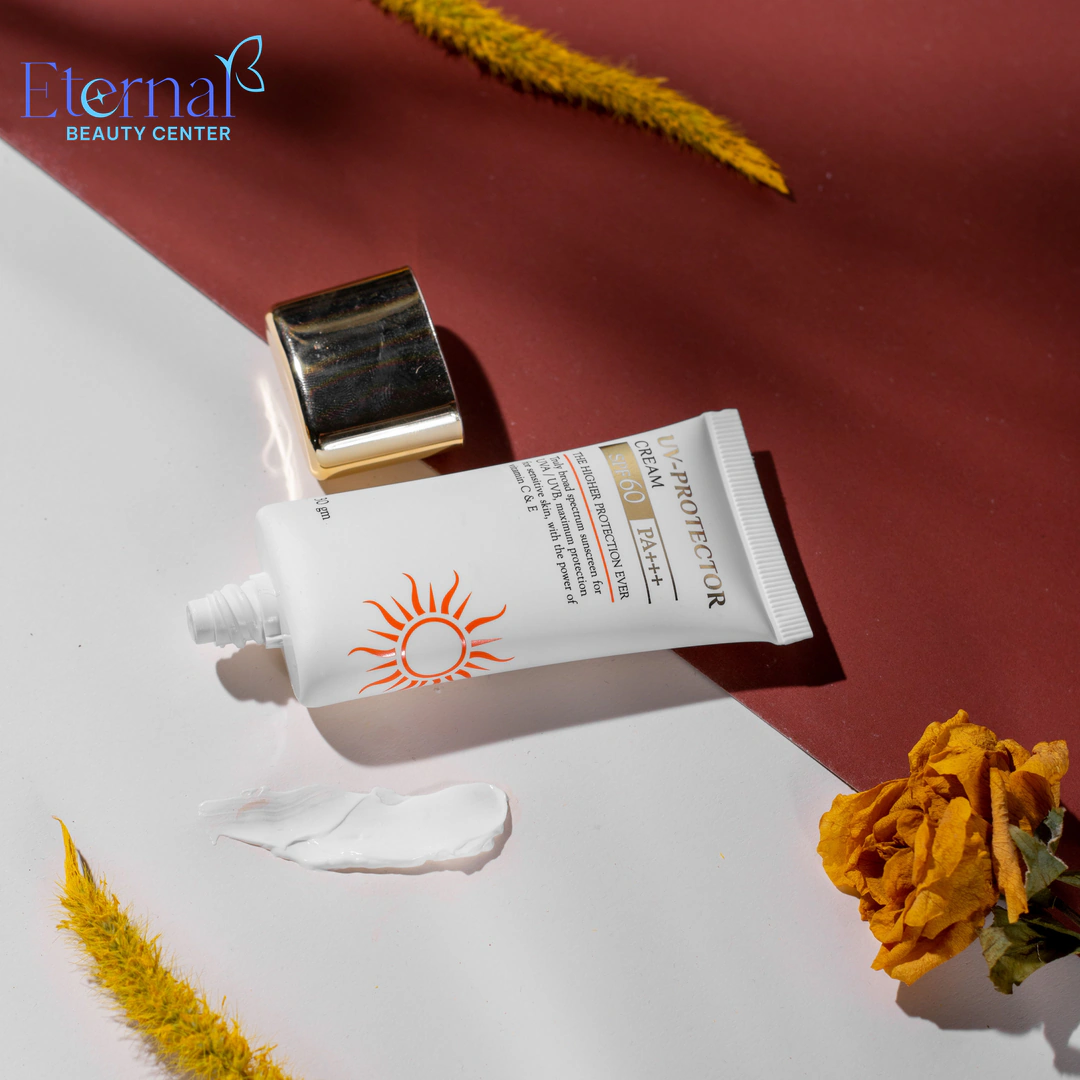
- Apply broad-spectrum sunscreen to any exposed skin, reapplying every 2 hours outdoors.
- No tanning — no beds, no sun throughout the course.
Between sessions
- Shaving is allowed between sessions if stubble appears — it doesn't affect the follicle.
- Never wax or pluck between sessions, as it removes the very follicle the next laser session needs to target.
- Keep skin well moisturized and stay consistent with sun protection.
- Keep your appointments on schedule to "catch" follicles at the right growth stage — skipping or delaying too long makes the course less effective.
6. 7 common summer hair-removal mistakes
- Beach trips or tanning right around a session. A tan before treatment raises risk; sun exposure right after can cause hyperpigmentation. This is the most common summer mistake.
- Waxing or plucking before a session instead of shaving. That removes the laser's "target," making the session nearly useless.
- Skipping the shave or leaving hair too long. Long surface hair absorbs heat, causing stinging, a singed smell, and reduced effect on the follicle.
- Skipping or over-delaying appointments. The hair cycle won't wait for you; being late lets the laser "miss" the anagen stage of many follicles.
- Expecting hairless skin after 1–2 sessions. This is why many people give up midway. Remember: it takes 5–8 sessions, and hair reduces gradually with each one.
- Neglecting sun protection afterward. Skipping sunscreen in summer is the fastest route to dark spots on the freshly treated area.
- Choosing an under-qualified provider. The AAD stresses that treatment should be done by someone knowledgeable about skin and skilled with the laser device, to minimize the risk of burns, scarring and pigment problems.
7. Is laser hair removal safe? Side effects and who should wait
When performed with proper technique by a qualified professional, laser hair removal is considered safe and requires no downtime.
Common side effects (usually temporary, 1–3 days): redness, mild swelling, a stinging sensation around the follicles, and occasionally light crusting.
Less common side effects: pigment changes (temporary darkening or lightening), blistering, infection, herpes flare-ups in those with a history, and rarely, scarring. These risks increase when treating tanned skin or when the provider is inexperienced.
About skin type: Laser hair removal works best on dark hair over lighter skin. Darker or tanned skin needs extra caution because the laser can also affect skin melanin. However, modern technology — especially multi-wavelength devices that include the longer 1064nm wavelength and a cooling tip — has expanded safe treatment to a wider range of skin tones, which suits Vietnamese skin well.
Cases where you should postpone or consult first:
- Pregnancy (usually advised to postpone as a precaution).
- Skin with open wounds, active inflammation, infection, or an active skin condition.
- Recent sun exposure or a tan.
- Taking photosensitizing medication, or a history of keloid scarring or recurrent herpes.
In every case, a pre-treatment examination and consultation is a step you shouldn't skip — it lets the provider personalize the energy level and ensure safety.
8. Laser hair removal at Eternal Beauty Center
At Eternal Beauty Center (Go Vap, Ho Chi Minh City), the Full Hair Removal – Triple-Wavelength Diode Laser service uses a new-generation Diode Laser integrating three wavelengths — 755nm, 808nm and 1064nm — combined with fractional RF. Pairing multiple wavelengths lets the treatment reach follicles at different depths, while the integrated cooling tip makes the experience more comfortable and supports safety across a wider range of skin tones.
Why it suits summer:
- Just 15–30 minutes per area, with immediate return to normal activities — convenient for busy schedules.
- Focused on the "hot-season hotspots": underarms and the bikini line, plus other body areas.
- The bikini area is treated by a female technician, ensuring privacy and comfort.
- Helps improve pigmentation and folliculitis in the underarm and bikini areas.
New-client offer (first visit): Underarm 5 sessions – 249,000₫; bikini 5 sessions – 799,000₫ (equivalent to just from 49,000₫ per session). There's also an unlimited-session package for clients who want long-term, multi-area treatment.
If you're concerned about dark underarm/bikini skin alongside hair removal, consider the Body Rose service for brightening darkened skin for tailored, combined advice.
Every course begins with an examination and consultation to assess your skin type, hair density and build a personalized plan. If you are pregnant, or have open wounds or an active skin condition, please discuss it with our specialist first.
9. Frequently asked questions
Can I have laser hair removal in summer, or should I wait until autumn? You can. Summer laser hair removal is fine as long as you're serious about sun protection and avoid treatment right before sun exposure. What matters is that your skin isn't tanned at the time of treatment and is well shielded afterward. If you want smooth skin in time for a beach trip, start 3–4 months early.
How many sessions do I need for underarm/bikini hair removal? Typically 5–8 sessions, about 4–6 weeks apart, depending on your body, hair density and thickness. Hair reduces gradually with each session rather than disappearing after 1–2.
Is laser hair removal permanent? The medically accurate term is permanent hair reduction. After a course, most people see no regrowth for months to years; when hair returns it's usually finer, sparser and lighter. Some people need periodic maintenance sessions.
Should I shave or wax before treatment? Shave — 2–3 days before the session. Never wax or pluck in the 4 weeks before, or between sessions, because it removes the follicle the laser needs to target.
How long after treatment can I swim or go to the beach? Avoid strong sun and friction for the first 24–48 hours, and ideally finish your most recent session at least 2 weeks before heavy sun or sea exposure. Always apply sunscreen to any exposed skin.
Does laser hair removal hurt? It's usually described as a light rubber-band snap. Devices with a cooling tip greatly reduce discomfort. Shaving the area clean before the session also makes it more comfortable.
Can people with darker skin have laser hair removal? Yes, but it requires more caution and a suitable device (for example, a multi-wavelength system with 1064nm and cooling). A pre-treatment consultation lets the provider set a safe energy level for your skin tone.
10. Key takeaways
Summer laser hair removal is entirely doable and worth it — you can feel confident in tank tops, shorts or swimwear — but success comes down to preparation and sun discipline. Keep these core points in mind:
- Laser targets melanin in the follicle, so you need 5–8 sessions spaced 4–6 weeks apart to "catch" follicles at each growth stage.
- The accurate result is permanent hair reduction, not 100% removal after one visit.
- Before a session: shave (don't wax/pluck), avoid the sun, and pause photosensitizing medication if advised.
- After a session: cool compress, avoid heat/friction for 24–48 hours, and be serious about sun protection — the single most important step in summer.
- To be smooth in time for the beach, start 3–4 months early and don't treat right before sun exposure.
- Choose a provider with skin expertise and a suitable device to maximize results and minimize risk.
Book a hair-removal consultation at Eternal Beauty Center
Want to know how many sessions you'll need and the right plan to be smooth in time for summer? The Eternal Beauty Center team will examine your skin, assess your hair density and recommend a personalized course.
- Hotline / Zalo: 0334 713 610
- Address: 204 Street 1, Ward 16, Go Vap District, Ho Chi Minh City
- Opening hours: 10:00 – 20:00 daily
- See the service: Full Hair Removal – Triple-Wavelength Diode Laser
Medical disclaimer: This article is for informational purposes only and does not replace a personal examination, diagnosis or medical advice. Laser hair removal results vary by individual, skin type and hair color. Please consult a qualified specialist before starting any course, especially if you are pregnant, have a skin condition, or are taking medication.