An outdoor concert puts skin through several things at once: hours of afternoon sun while queuing, heat and sweat in the crowd, long-wear makeup with glitter, face gems or temporary tattoos, and makeup removal in the middle of the night. Most of the risk can be avoided with four habits: water-resistant sunscreen reapplied in the queue, testing anything you will stick or paint on your skin, refusing black henna, and removing everything gently but thoroughly that same night.
Preparing skin for a wedding or a party is mostly about looking good on the day, and the countdown for that is in how to prepare your skin before a big day. A concert is different because the event itself is an exposure: your skin spends six or seven hours in the sun, in sweat and under decorations. This article follows a concert day in order, from the queue to the next morning.
Queuing in the afternoon sun: the part most people forget

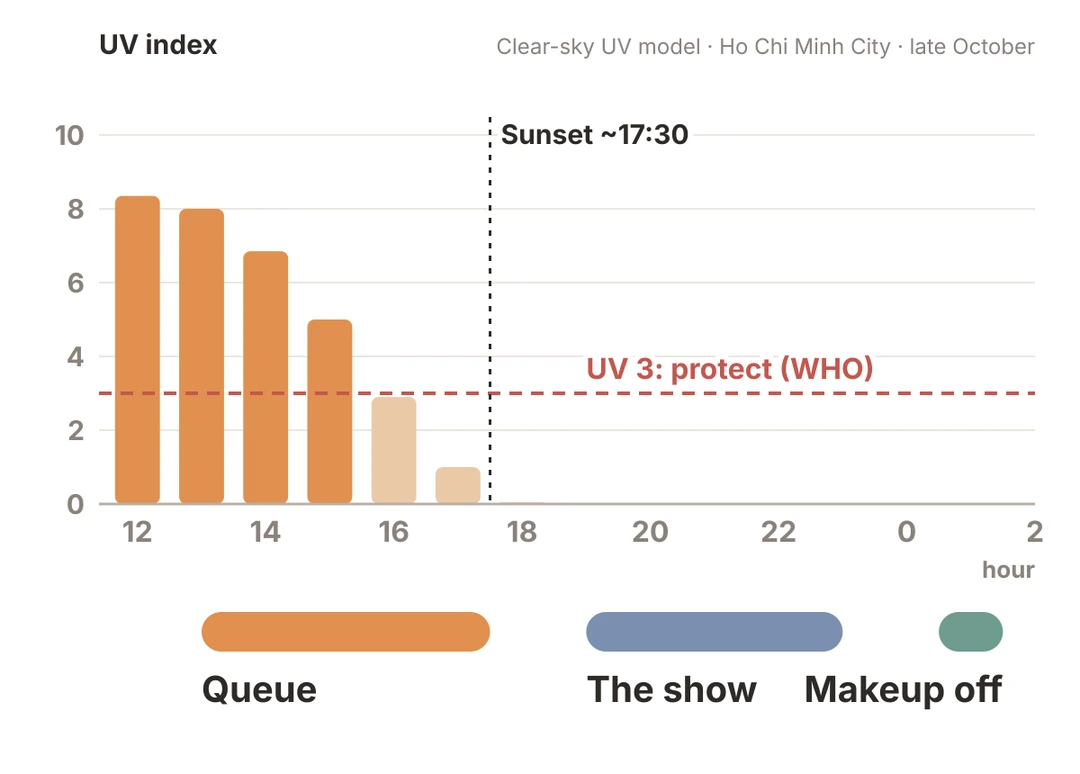
Many people plan their makeup for the evening and forget they will be standing outside from early afternoon. In Ho Chi Minh City, the afternoon sun is stronger than many expect. A clear-sky UV forecast model for Ho Chi Minh City in late October gives a UV index of about 8 at 12:00–13:00, about 5 at 15:00, about 3 at 16:00, about 1 at 17:00, and zero after sunset at around 17:30. The World Health Organization advises protection from a UV index of 3 upwards. If you queue from 13:00 to 16:00, that is three hours that genuinely need sun protection; once it is dark, there is no need to reapply. In the middle of the year, the sun is closer to directly overhead and midday values are higher still.
A few things help sun protection survive sweat:
Choose "water resistant" and read the number correctly. Under US Food and Drug Administration (FDA) rules, a label may only claim water resistance for 40 or 80 minutes; terms such as "waterproof" and "sweatproof" are banned because no sunscreen stays intact through continuous sweating. Reapply after 40 or 80 minutes of sweating, or straight after towelling your face; even without sweating, reapply at least every 2 hours.
Apply enough the first time. The SPF on the label is measured with 2 mg of product per cm² of skin, while people in real life apply about 0.4–1 mg/cm². In one study of 20 volunteers, halving the amount brought the real SPF down to roughly the square root of the label figure, so SPF 50 behaved like SPF 7. How much to use and how to apply it are covered in our sunscreen guide.
SPF foundation or powder is only an extra layer. At normal makeup amounts, the real SPF of foundation and powder falls far below the label. A laboratory study (conducted by a cosmetics company) found that applying sunscreen first and makeup on top raised protection clearly, so treat makeup as an addition, not a replacement. Another study found that people using SPF moisturiser missed their eyelids more often than people using sunscreen.
Reapplying over makeup. No study has shown that powder or spray sunscreen dabbed over makeup restores the SPF on the label. The practical approach is to blot sweat first, then reapply with a stick; the American Academy of Dermatology (AAD) suggests sticks around the eyes and advises against spraying directly onto the face.
Physical cover still works best. A wide-brimmed hat, UV-protective clothing or a spot in the shade also covers places that are easy to miss, such as the ears, the back of the neck and the backs of the hands.
Heat, sweat and tight outfits: heat rash and friction acne

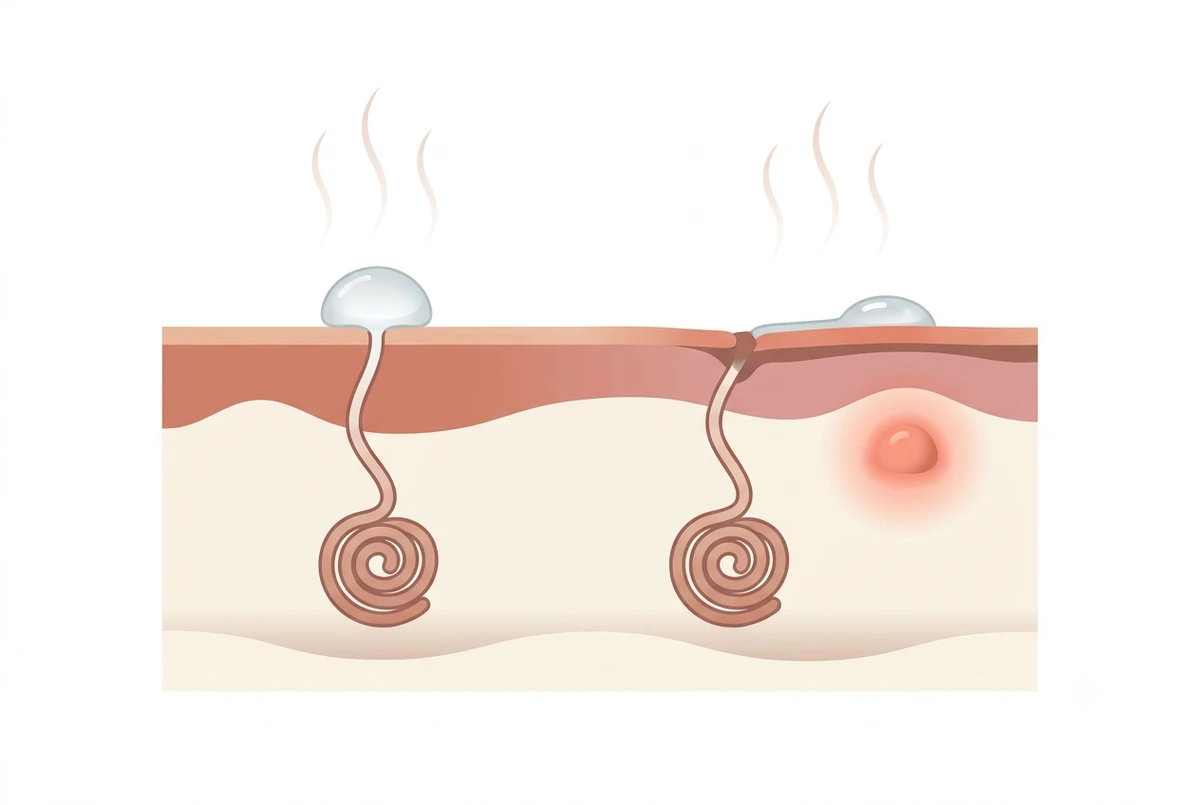
Standing in a crowd for hours in hot, humid air creates ideal conditions for two common post-concert skin problems.
Heat rash (miliaria) happens when sweat ducts are blocked and sweat leaks into the skin instead of reaching the surface. According to DermNet, triggers include hot and humid environments, intense exercise and clothing that does not breathe. Two forms are common: tiny clear blisters of 1–2 mm that break with a light touch, and very itchy red bumps of 2–4 mm, usually on the neck, chest, back and skin folds. Most cases clear within a day or two once you are somewhere cool.
Friction acne (acne mechanica) appears when something both traps heat and sweat against the skin and rubs it repeatedly. The AAD gives examples such as backpack straps, helmets, chin straps and synthetic dance costumes. At a concert, the equivalents are crossbody bag straps, headbands, hats, wigs and tight outfits. The early sign is small, rough bumps that you can feel more easily than see. If you shaved or waxed before the show, sweat and friction can also set off folliculitis and ingrown hairs.
To limit both:
Choose loose, breathable fabric where you sweat most; if an outfit has to be tight, place a clean, soft layer where straps rub.
Skip thick body lotions and oils on areas that will sweat heavily before you go.
Blot sweat with clean tissue, pressing rather than wiping.
Once home, take a cool shower and change out of sweaty clothes straight away. Avoid fragranced shower gels and creams if a rash is starting.
Glitter, face gems and temporary tattoos: test first, keep away from the eyes

Decorating your skin is the fun part of a concert night, and also the part where most people have no idea what the thing on their face is made of. The general rule is simple: test anything you have not used before, and keep anything sparkly or glowing away from the eyes.
Black henna: the one thing to refuse outright

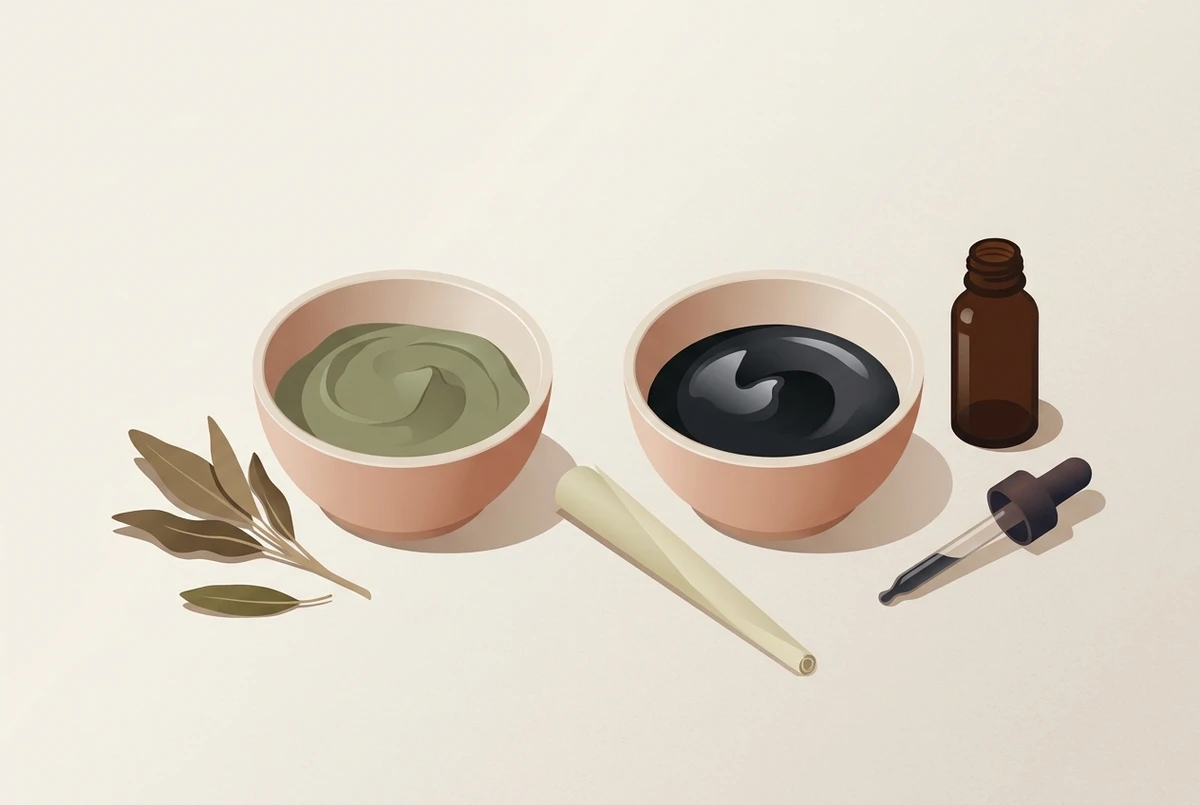
Natural henna is a plant dye that stains skin light brown and, according to DermNet, rarely causes allergic reactions. Jet-black "henna" tattoos are a different matter. According to the FDA, the blackening agent is often a hair dye containing p-phenylenediamine (PPD), and under US law PPD is not permitted in cosmetics meant to be applied to skin. The FDA has received reports of skin injuries from products sold as henna.
The risk does not end with the tattoo. According to DermNet, after a first exposure the tattooed area usually becomes red, intensely itchy and burning, and may blister after about 7–14 days; in someone already sensitised, the reaction appears within 48 hours. As it heals, it can leave darker skin or a white outline of the original design, and keloid scarring has been reported. Once sensitised to PPD, a person can react to other sources of it, especially permanent hair dye. A survey of the general population in five European countries found PPD allergy in 3.2% of people who had ever had a black henna tattoo, compared with 0.6% of those who had not; after adjusting for age and sex, the risk was about nine times higher.
Glitter and neon colours near the eyes
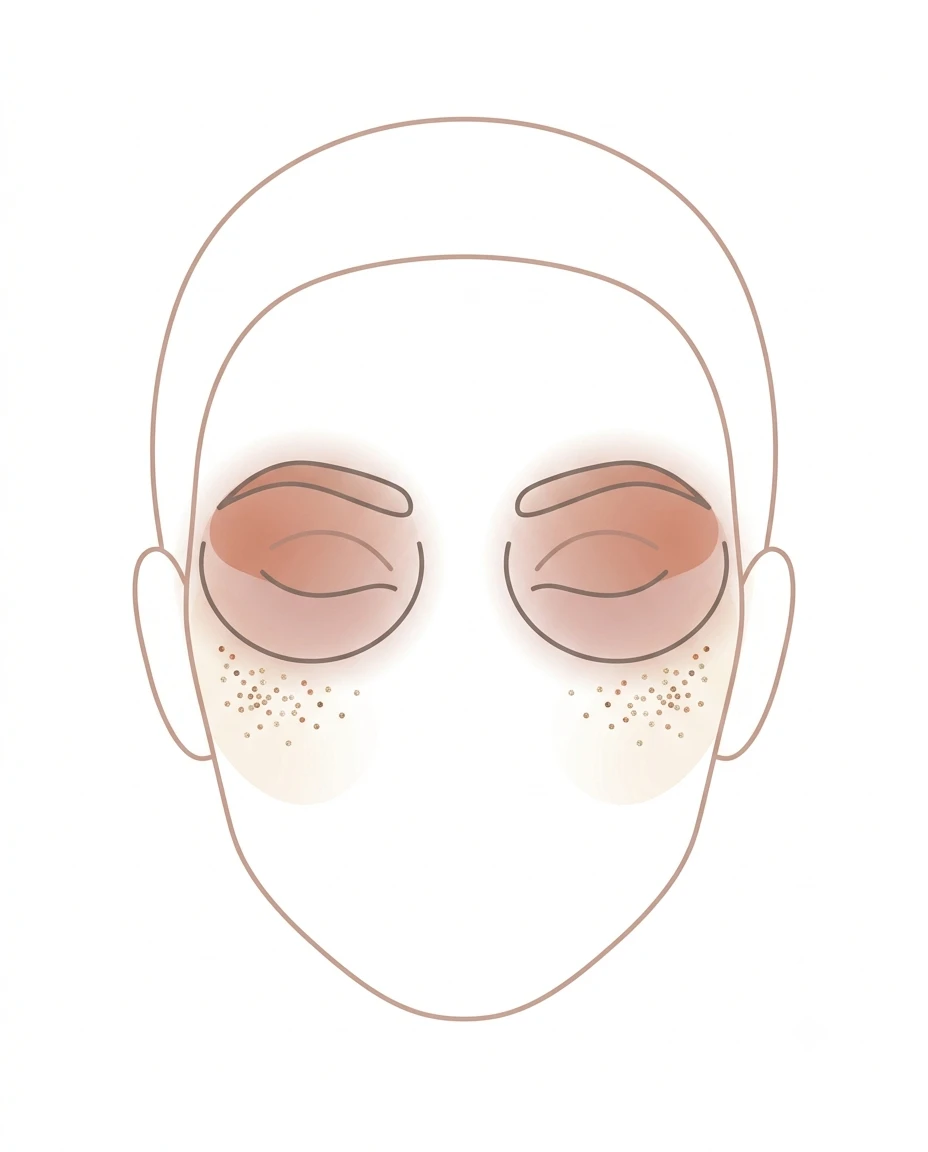
The FDA requires every colour additive in cosmetics to be approved for where it is used, and it defines the eye area as everything within the bony ridges around the eye, including the eyebrows. No fluorescent colour is approved by the FDA for use near the eyes, and the only approved glow-in-the-dark colour is not meant for the eye area either. Craft glitter, meanwhile, was never made to go on skin.
If you want sparkle, choose cosmetic glitter and keep it on the cheekbones, below the bony rim of the eye socket. The American Academy of Ophthalmology (AAO) notes that glitter flakes can get into the tear film and are a common cause of corneal irritation or infection, especially for contact lens wearers, and that larger particles can scratch the eye. The AAO also advises always applying makeup outside the lash line. If glitter gets into your eye, do not rub it; rinse gently with saline and see an eye doctor if the gritty feeling does not go away.
Gem glue, lash glue and body paint
False-lash glue often contains cyanoacrylate, which has been reported to cause allergic contact dermatitis of the eyelids. The FDA also notes that lash adhesives and face and body paints often contain natural rubber latex, an allergen for sensitive people. The ingredients of adhesive face gems are often not listed at all.
The FDA's suggestion for novelty makeup is easy to follow: dab a little on your arm and leave it for a couple of days before using it on your face. To have time for that, buy decorations at least a week ahead. If you do use a face-painting stall at an event, ask for clean brushes and sponges. A UK study found bacteria on 79–90% of used cosmetic products, so do not share makeup, especially mascara and eyeliner.
Perfume and sun: brown streaks on the neck
One kind of discolouration looks distinctive: brown streaks running down the neck or behind the ears, exactly where perfume was sprayed. This is berloque dermatitis. Bergamot oil contains bergapten, which makes skin sensitive to UVA; spraying it on skin and then going into the sun can cause redness, sometimes blisters, and then streaky marks. It is less common than it used to be because the fragrance industry limits bergapten in leave-on products, but that is a voluntary standard rather than law, and home-blended essential oils or perfumes of unknown origin can still cause it.
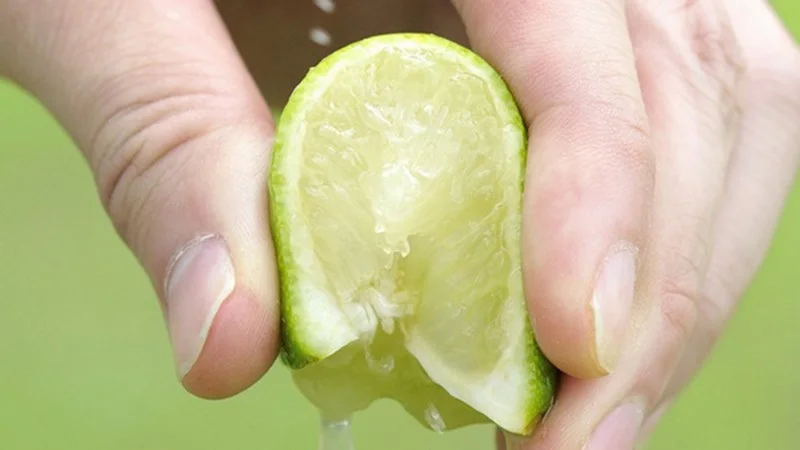
Lime juice causes a similar reaction. Squeezing lime into a drink and then standing in the sun can leave red, then dark, drip-shaped streaks on the hands. According to DermNet, the skin reddens about 24–48 hours after sun exposure; the marks that follow can last weeks to months, sometimes longer.
The fix is simple: spray perfume on clothing rather than on skin that will be in the sun, and wash your hands after squeezing limes.
Removing makeup at 2 a.m.
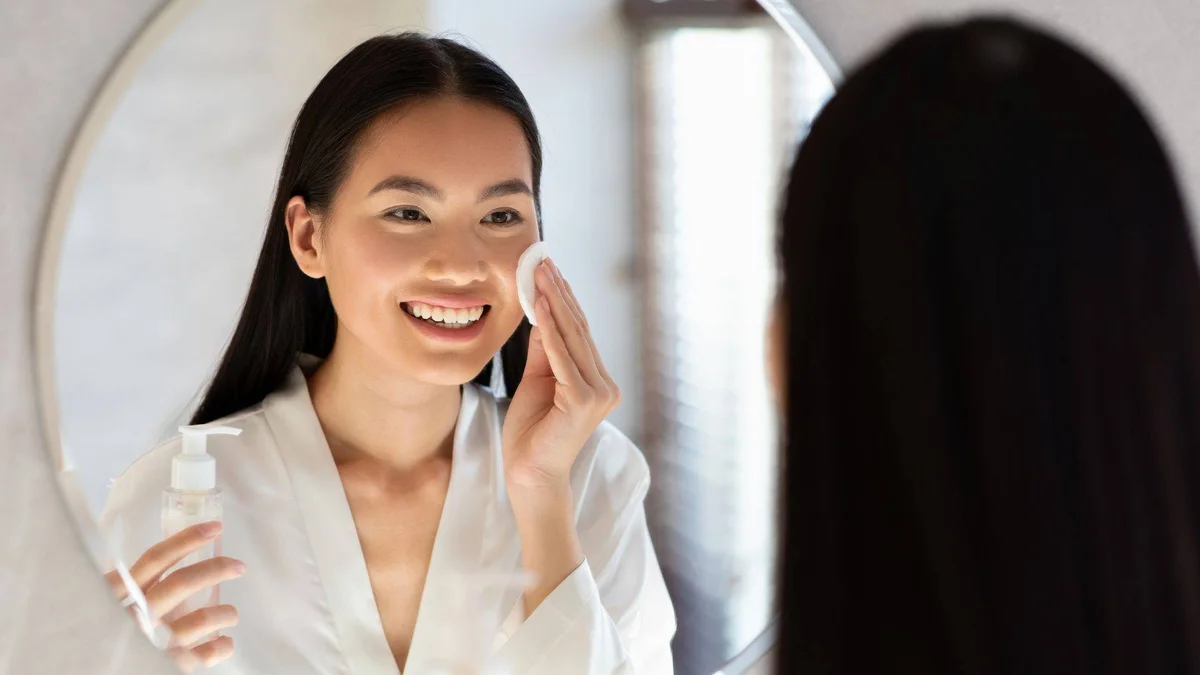
Getting home after midnight, the hardest part is making yourself take your makeup off. But tonight your skin is carrying more than usual: water-resistant sunscreen, long-wear foundation, waterproof mascara, glitter and glue. A minimal routine is enough:
Start with a cleansing oil or balm to dissolve water-resistant sunscreen and long-wear makeup, then wash with a gentle cleanser. Why this first step matters after days like this is covered in our skincare routine order guide.
Remove glitter by pressing and lifting with a cotton pad soaked in cleansing oil, without rubbing. Around the eyes, wipe from outside the lash line.
For face gems and false lashes, let the oil sit for a few minutes to soften the glue, then remove them slowly. Do not pull.
Skip actives tonight. Retinoids, AHAs, BHAs and exfoliants can wait; a simple moisturiser is enough, especially if your skin is already red from the sun.
If you really are too tired, at least wipe your eyes and face clean with micellar water. The FDA and the AAO both advise against going to bed in makeup, especially mascara, and the AAD notes that sleeping in makeup can cause acne, even with products labelled non-comedogenic. That said, the evidence is mainly expert experience rather than controlled studies, so falling asleep in makeup one night is not a disaster.
The next morning: read your skin
The next morning is the time to check what your skin went through the night before:
Sunburn. According to DermNet, redness appears 2–6 hours after sun exposure, peaks at 12–24 hours and settles over 3–7 days; peeling can start around days 4–7. On darker skin, the redness is harder to see, and sunburned areas tend to darken afterwards. Use cool compresses, moisturise, stay out of the sun and pause strong actives until the skin calms down, because your skin barrier is damaged and more easily irritated than usual.
Heat rash. Stay somewhere cool and wear loose cotton; it usually improves within a few days.
Bumps where bag straps or headbands sat. This is friction acne; do not squeeze it. Removing whatever rubbed is the most important step.
Itching, redness or blisters exactly where gems, face paint or henna were. This may be an allergic reaction; see a doctor rather than treating it yourself.
Scheduling procedures around a concert

Before the show. Minimum lead times for each procedure are in the countdown table in how to prepare your skin before a big day. An outdoor concert adds one more consideration: after a superficial peel, microneedling, RF microneedling or laser hair removal, aftercare instructions usually say to avoid sweat, heat and sun for about the first 48 hours, which is exactly what an outdoor concert delivers (see the comparison table in aftercare after peels, microneedling and laser). So do not let these procedures fall in the two days right before the show. Fractional CO₂ laser requires careful sun avoidance for weeks, so it is best left until after concert season.
If you plan to remove underarm hair for strappy outfits, start a few months ahead: the interval between sessions is not fixed and runs about 2 weeks to 1 month depending on the person, so one or two sessions before a concert will only thin the hair. Shaving remains the reliable option for the day itself; care before and after sessions is covered in laser hair removal before and after care.
After the show. If your skin is sunburned or visibly tanned, postpone laser, laser hair removal and peels until it has fully recovered. The AAD states plainly that a dermatologist cannot perform laser treatment on tanned or sunburned skin, because it could cause a burn or discolour the skin. There is no fixed waiting time that applies to everyone, so if you have an appointment in the week after a concert, tell the provider about your skin in advance so it can be rescheduled. And do not rush to a peel or a strong lightening cream to "clear the tan faster": working on freshly irritated skin only raises the risk of dark marks.
When to see a doctor
Widespread blistering sunburn with fever, chills or marked tiredness.
Itching, redness, blistering or oozing where henna, gems or face paint were applied, even if it appears a week or two after the event.
Eye pain, persistent redness or blurred vision after glitter got into the eye; in that case, see an eye doctor.
Heat rash that does not improve after a few days somewhere cool, or bumps that fill with pus, swell or hurt, which may mean infection.
Streaky marks after perfume or lime that have not faded after a few weeks. On Vietnamese skin, post-inflammatory hyperpigmentation can last a long time; treatment options are in which treatment for acne marks.