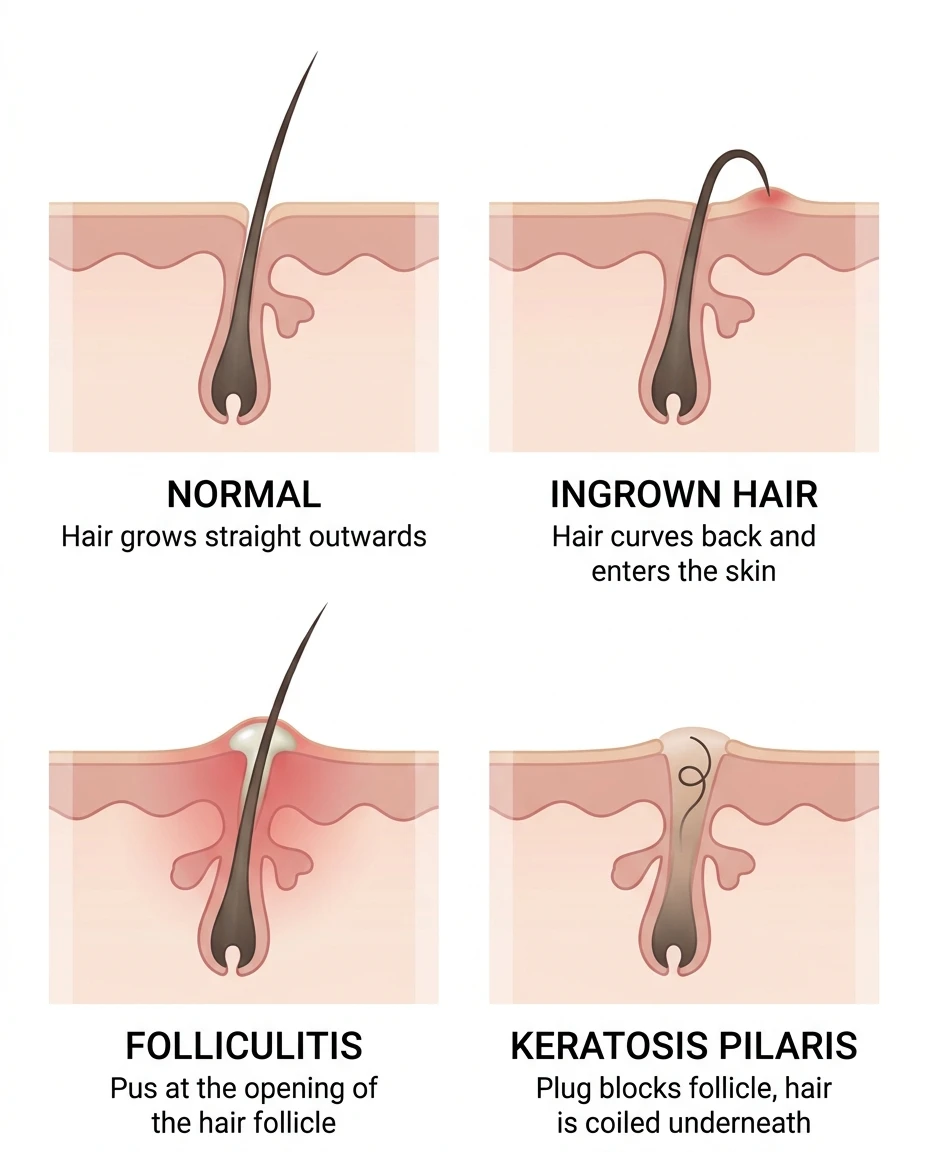
Small bumps around the hair follicles on your legs, arms or bikini line are usually one of three things. Ingrown hairs happen when a shaved or plucked hair grows back into the skin. Folliculitis is inflammation of the follicle, from irritation or infection. Keratosis pilaris, often called chicken skin, is keratin plugging the follicle opening. They look alike but need different handling: ingrown hairs call for a change in how you remove hair, folliculitis for calming the skin and sometimes medication, and keratosis pilaris for steady moisturising.
In everyday conversation all three tend to be called folliculitis, and lumping them together leaves many people treating the bumps for months without progress. Someone with keratosis pilaris buys antibiotic or antifungal creams and nothing changes, because there is no bacterium or fungus to kill. Someone with ingrown hairs scrubs harder to "unclog the pores", and the skin becomes more inflamed and darker. Three clues separate them: when the bumps appear relative to your last hair removal, how they feel, and where they sit on the body.
Three conditions that all get called folliculitis
Ingrown hairs (pseudofolliculitis)
After it is cut or pulled, a hair regrows with a sharp tip and can go astray in two ways. In the first, the hair leaves the skin, curves back and pierces the skin just beside the follicle. In the second, a close shave leaves the cut end below the skin surface, and as it grows it pushes through the wall of the follicle instead of out of the opening. The body reacts to the hair as it would to a splinter, producing a red bump that sometimes fills with pus. Doctors call this pseudofolliculitis because, at least at first, most of these bumps are not caused by bacteria.
Ingrown hairs can appear wherever hair is removed regularly: the lower legs, underarms and bikini line. Coarse or curly hair raises the risk, which is why the bikini line and underarms, where hair is usually thicker and stiffer, are common trouble spots. In a survey of 333 women aged 16 to 40 at two publicly funded health centres in the United States, 60% had experienced at least one complication from removing pubic hair, most often skin abrasion and ingrown hairs, yet only 4% had ever seen a health professional about it.
Folliculitis

Folliculitis means an inflamed hair follicle, whatever the cause. It usually looks like a tender red spot with a small point of pus right at the follicle opening. The causes fall into two quite different groups.
Among infections, Staphylococcus aureus is the most common culprit. Hot tub folliculitis is a distinct form: Pseudomonas aeruginosa in a poorly maintained hot tub causes itchy red bumps with pus around the hairs, which appear a few days after soaking and tend to be worse where a swimsuit held water against the skin. The yeast Malassezia also causes folliculitis, usually on the chest, back and shoulders, and on the face it is easily mistaken for acne.
The second group involves no bacteria at all. Shaving, waxing, plucking, occlusive products such as mineral oil and heavy ointments, and overuse of topical steroids can all inflame follicles. DermNet notes that irritation bumps after hair removal usually grow nothing when cultured, and that the rash that follows shaving the lower legs is often intensely itchy. Antibiotic creams therefore do little for this group.
Keratosis pilaris ("chicken skin")
In keratosis pilaris, skin cells that should shed build up instead and plug the follicle openings into tiny bumps. The skin feels rough, like sandpaper, and looks like permanent goosebumps. The bumps may be skin-coloured, red, or brown on darker skin. They typically sit on the outer upper arms, thighs and buttocks. According to DermNet, keratosis pilaris affects around 50–70% of teenagers and 40% of adults, runs in families, often accompanies atopic eczema and ichthyosis (an inherited dry-skin condition), and is linked to filaggrin, a protein that is central to the skin barrier. It tends to look worse when the air is dry.
Keratosis pilaris is not an infection, and shaving does not cause it. Even so, the line between it and ingrown hairs is not perfectly clean. When researchers examined 25 people diagnosed with keratosis pilaris under a dermatoscope, they found a coiled hair trapped inside the plug in every case. The study is small, but it goes some way to explaining why the two conditions are so often confused.
Telling them apart by timing, texture and location
Clue | Ingrown hairs | Folliculitis | Keratosis pilaris |
|---|---|---|---|
When it appears | A few days after shaving, plucking or waxing, as hair regrows | After shaving, waxing, sweating or tight clothing; or a few days after a hot tub | Most of the year, not tied to any hair removal |
How it feels | Firm red bump, may be sore | Small pustule, sore or itchy | Rough and dry, usually painless |
Up close | A loop or dark line of hair under the skin | Pus right at the follicle opening | Small, fairly uniform keratin plugs |
Usual sites | Bikini line, underarms, lower legs | Shaved areas, covered areas, swimsuit areas | Outer upper arms, thighs, buttocks |
If you stop removing hair | Fades, then clears | Irritation type settles; infection may need treatment | Barely changes |
It is entirely possible to have two of these at once. An ingrown hair can become infected and turn into a pustule, and keratosis pilaris that is shaved often can become more inflamed. If you are not sure which one you have, the safe course is to treat the skin gently, as described below, and get it checked if it does not improve.
Dark dots on shaved legs ("strawberry legs")
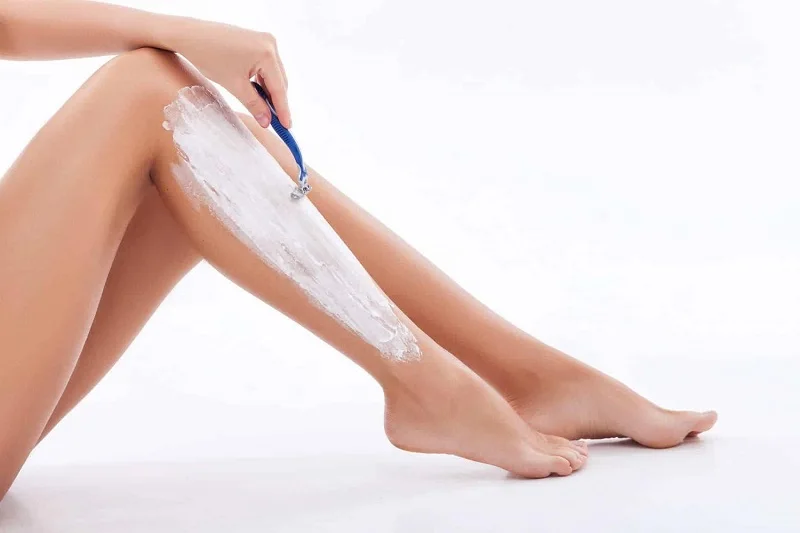
Legs speckled with dark dots after shaving, often called strawberry legs, are not a separate disease. Cleveland Clinic describes the look as the result of several things already covered here: clogged follicles whose oil darkens on contact with air, irritation and ingrown hairs from shaving, folliculitis, or keratosis pilaris. Dry skin does not cause it but makes the dots more visible. Darker skin adds another layer, since each episode of follicle inflammation can leave a dark spot behind. The fix therefore follows the cause; no single "strawberry legs" product suits everyone.
How each hair removal method leads to ingrown hairs
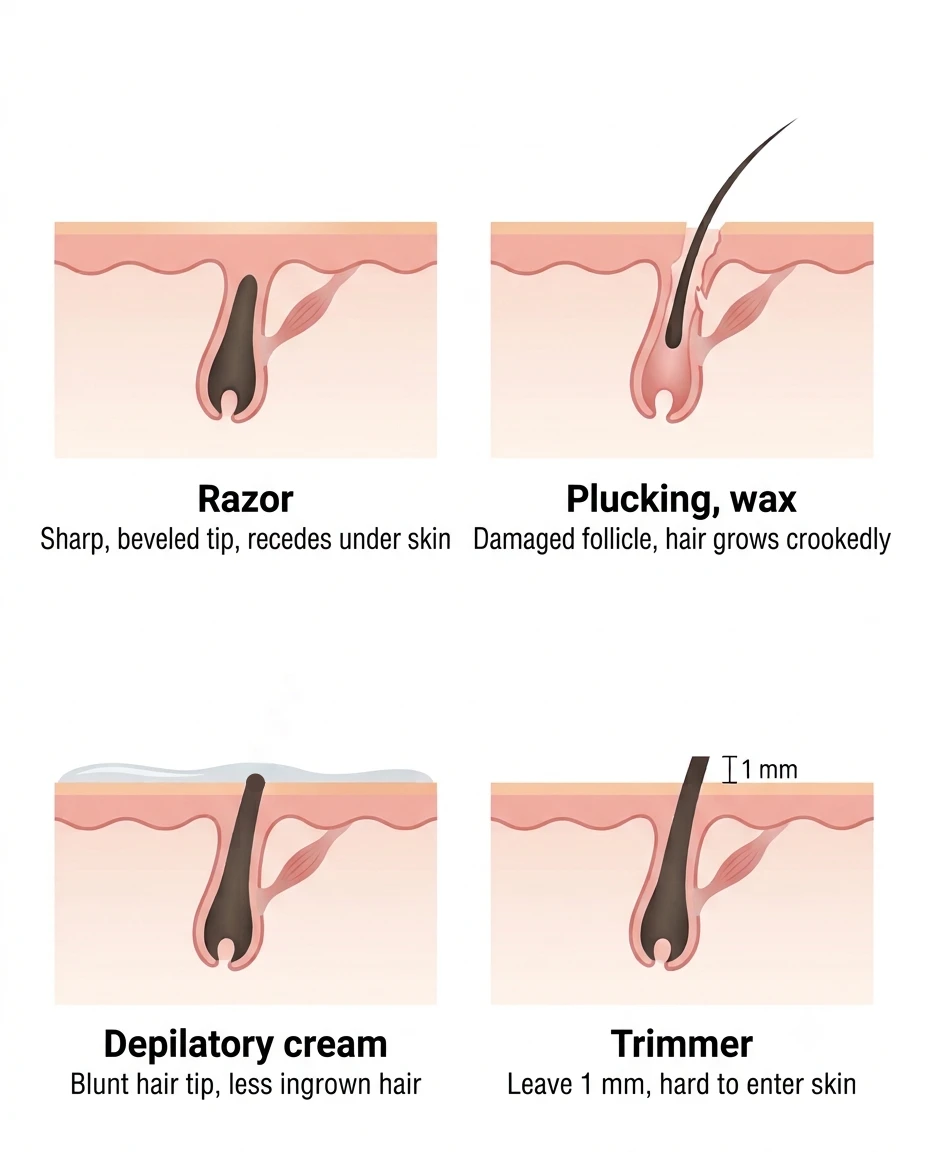
The way you remove hair determines the shape of the tip that grows back, and the tip determines how likely it is to grow inward.
Razor shaving: the blade leaves a sharp, angled tip. Shaving against the grain or stretching the skin while you shave lets the remaining hair retract below the surface, where it can grow through the follicle wall.
Plucking, waxing, threading and epilators: these pull the whole hair from the follicle, sometimes snapping the shaft just under the skin and injuring the follicle. A new hair growing from a damaged follicle is more likely to grow off course.
Depilatory creams: these dissolve hair at the skin surface and leave a blunt tip that is less likely to turn inward. The chemicals can irritate, though, so test a small patch first.
Clippers or electric shavers: these leave about 1 mm of hair, so the tip is not cut flush and is less able to curl back into the skin. The NHS and a 2019 review of pseudofolliculitis both list this as a way to reduce ingrown hairs for people who are not ready to stop removing hair.
If you keep using a razor, a few habits lower the risk: shave at the end of a shower when the hair is soft, use a gel or cream, shave with the grain in as few strokes as possible, avoid stretching the skin, and replace disposable razors after about 5–7 shaves, as the American Academy of Dermatology (AAD) recommends. On the underarms and bikini line, where skin darkens easily, how often you shave matters as much as how you shave, which we look at in our article on dark underarms and body folds.
Treating each one at home
For ingrown hairs
The most effective step is to pause hair removal on that area so the hairs can grow long enough to escape. For the beard area, the AAD reports that bumps usually become fewer within about a month of stopping shaving and clear after about three months. There are no equivalent figures for the legs or bikini line, but the mechanism is the same. While you wait:
Apply a warm compress for about 5 minutes to soften hairs that are curving into the skin.
Do not dig at, squeeze or pluck a hair that is trapped in an inflamed bump with tweezers, needles or fingernails.
Once the redness and swelling have gone, a leave-on product with salicylic acid (BHA) or glycolic acid (AHA) used a few times a week softens the layer of skin covering trapped hairs, and is a gentler choice than a gritty scrub. Our skincare actives guide explains how to choose between the two.
Numerous, painful or pus-filled bumps should be seen by a doctor, who may prescribe a short course of a steroid cream to settle inflammation, or an antibiotic if there is infection.
For folliculitis
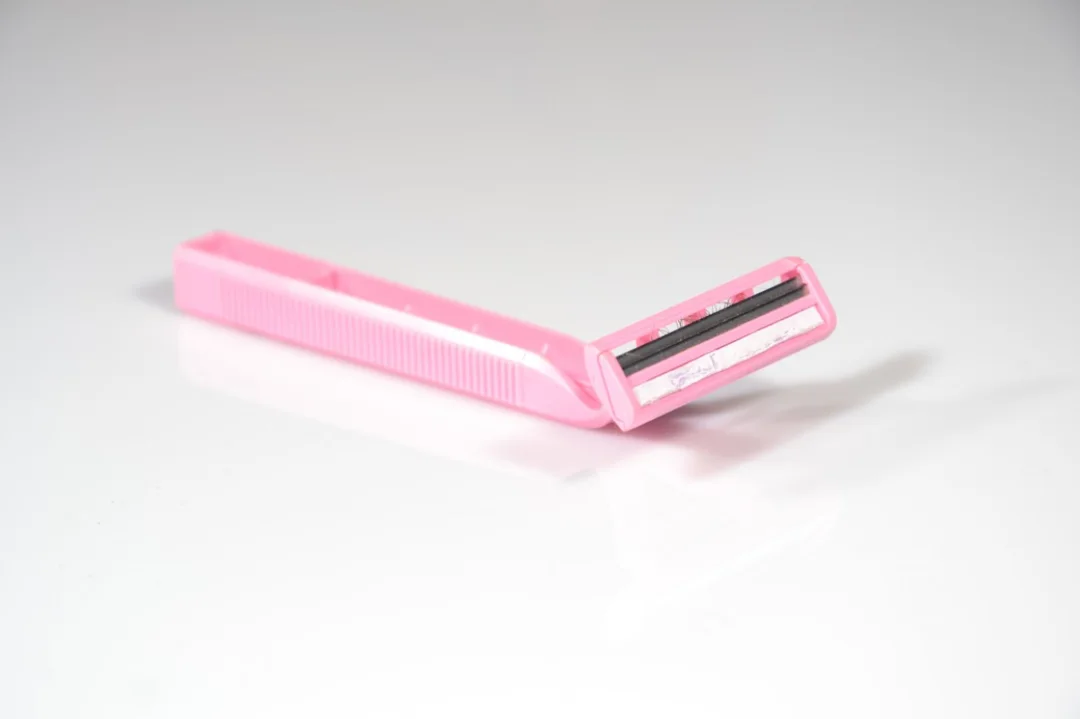
If the bumps followed shaving or waxing, stop removing hair from that area. DermNet suggests waiting about three months after the inflammation settles before you start again, and switching to a gentler method such as an electric shaver. In the meantime, avoid oils and thick ointments on the inflamed skin.
When bacteria are the likely cause, hygiene comes first: wash with a body wash or cleanser containing an antibacterial agent such as chlorhexidine or benzoyl peroxide, use your own towel and launder it often, and never share razors. After a hot tub or a swim, change out of your swimsuit and shower with soap. According to the CDC, mild hot tub folliculitis usually clears within a few days without treatment.
Avoid buying antibiotic or steroid creams and using them for weeks on your own. Irritation folliculitis and yeast folliculitis do not respond to antibiotics, and long-term topical steroids can themselves trigger folliculitis. If the bumps are very itchy, cluster on the chest, back and shoulders and flare in hot, humid weather, think of yeast and see the self-check section of our article on back acne versus fungal folliculitis.
For keratosis pilaris
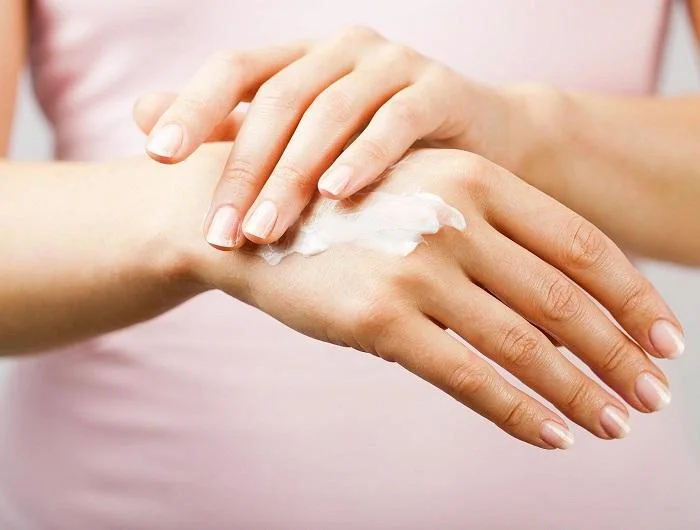
There is no cure for keratosis pilaris, but it can be kept under control, and for many people it fades over the years even without treatment. Regular moisturising helps most. The AAD advises applying moisturiser within 5 minutes of bathing, while the skin is still damp, and 2–3 times a day, ideally a product containing urea or lactic acid. Moisturisers with salicylic acid or AHAs also help soften the plugs. If you exfoliate, keep it gentle, because vigorous scrubbing easily irritates the skin and makes it redder.
When moisturiser is not enough, a doctor may prescribe a topical retinoid such as adapalene or tretinoin, with guidance on how much to use, because these can dry and sting. Antibiotics and antifungals do nothing for keratosis pilaris. Progress is slow: if you see no change after 4–6 weeks of consistent use, tell your dermatologist so the plan can be adjusted. Once the skin has settled, many people only need their active product about twice a week to maintain it.
When laser hair removal deals with the cause
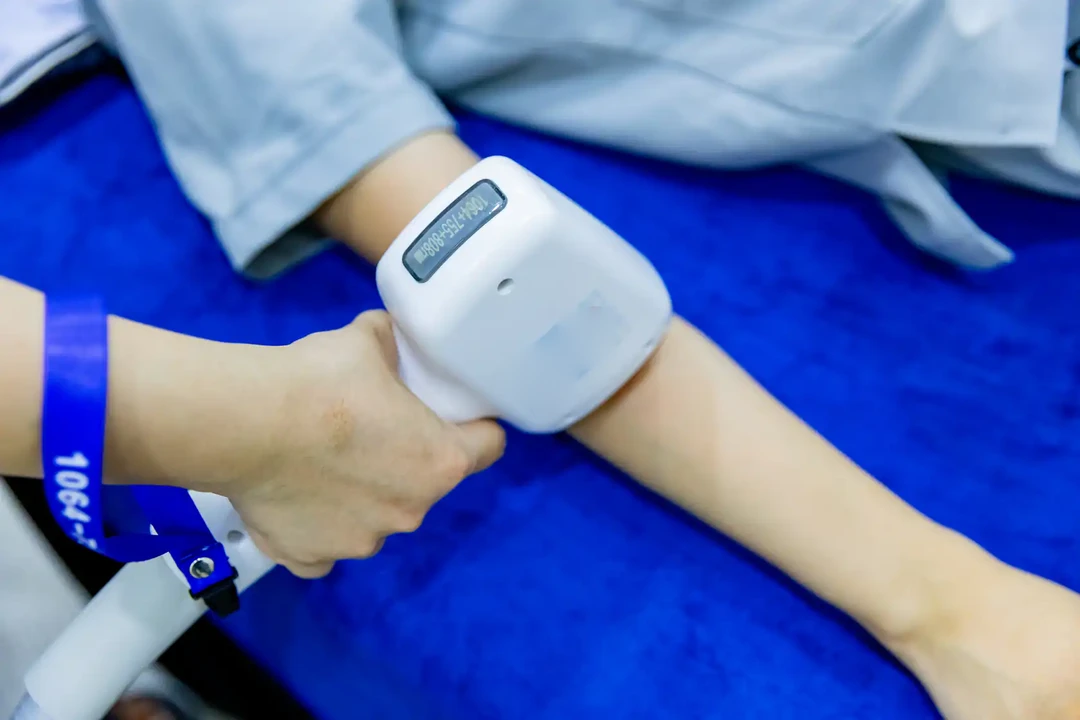
An ingrown hair needs a hair. When there are fewer hairs and the ones that regrow are finer, fewer of them can turn back into the skin, and the skin is spared the weekly cycle of shaving or plucking. That is why the NHS lists laser among the alternatives to razors, and why DermNet includes laser hair removal among treatments for ingrown hairs in people with keratosis pilaris.
The direct evidence comes from studies of pseudofolliculitis in the beard area of people with darker skin, most of them using a 1064 nm Nd:YAG laser:
In a study of 37 people with skin types IV–VI, a small area under the chin received a single treatment. After 90 days, the treated area averaged 1.0 inflamed bumps, against 6.95 in the untreated skin next to it.
In 20 people with skin types V–VI, 8 of them women, two treatments produced statistically significant reductions in papules, pustules and hair counts throughout 3 months of follow-up. Some had temporary darkening or lightening of the skin.
In a randomised trial of 27 men treated every 4 weeks for 16 weeks, the side of the neck that received laser alone (with a placebo cream) showed a median 85% reduction in hair count.
These studies are small, mostly in men, confined to the beard area, and followed people for only a few months. No large trial has looked specifically at ingrown hairs on women's legs or bikini line, so applying these results there is an inference from the same mechanism. Outcomes also vary with the device, the settings and the individual's skin.
Laser does not solve every kind of bump either. It does not treat folliculitis that is actively infected. For keratosis pilaris, a randomised trial of an 810 nm diode laser found less roughness after 3 sessions but no reduction in redness. That trial included only skin types I–III, and 2 of 23 participants withdrew because of darkening after the laser, so for skin that marks easily it is not a routine option. A hair removal session can itself bring up a few bumps around the follicles in the first week; how to tell a normal reaction from one that needs attention is covered in our article on laser hair removal before and after care.
How many sessions you need, and why the result is hair reduction rather than permanent removal, is explained in is laser hair removal permanent? The differences between technologies are covered in IPL vs diode laser hair removal.
Dark marks after inflammation: fix the cause first
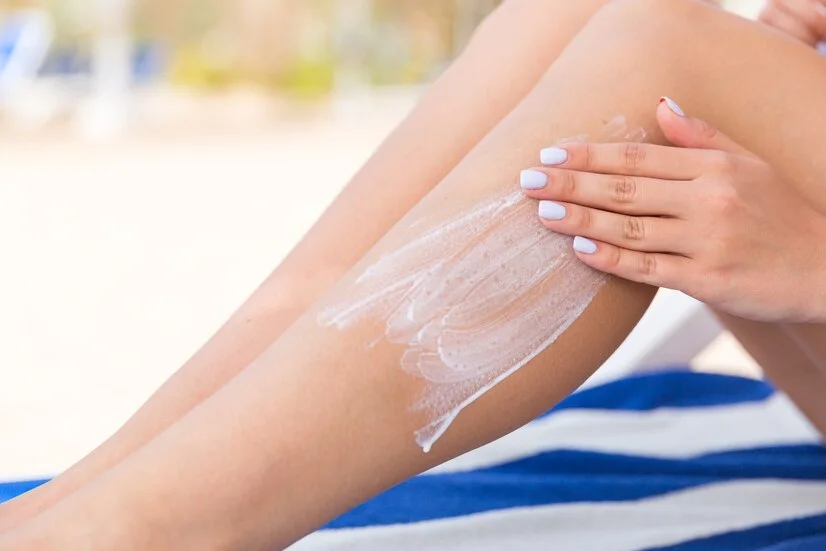
On darker skin, each inflamed bump around a follicle can leave a dark mark, and the marks often bother people for longer than the bumps themselves. These marks fade over months, but if new bumps keep appearing every week, the marks are constantly topped up. The sensible order is to stop the source of inflammation first, by changing how you remove hair or by laser hair removal, and only then focus on fading the marks. Protecting your legs from the sun when you wear skirts or shorts, and not scrubbing the dark areas, keeps the process from dragging on. How darkening develops in the underarms and groin, and why scrubbing makes it worse, is covered in a separate article.
When to see a doctor
A bump that is large, hot, increasingly painful or draining pus, or that comes with fever, chills or feeling unwell. This may be a spreading infection or a boil.
Deep, painful lumps that keep coming back in the underarms, groin, buttocks, inner thighs or under the breasts, break open, swell again and leave scars or tunnels under the skin. This may be hidradenitis suppurativa, a chronic inflammatory condition that is easily mistaken for boils and needs follow-up with a dermatologist.
In the genital area, any lesion that does not sit around a hair, such as clustered blisters, an ulcer or a wart-like growth. These have nothing to do with hair removal and should be examined.
Folliculitis that keeps returning despite changing your hair removal method, a hot tub rash that worsens or comes back, or suspected yeast folliculitis.
Keratosis pilaris that is spreading with very dry, itchy skin, or that has not improved after 4–6 weeks of proper care.