Most home remedies for dark underarms have no evidence of reducing pigment in human skin. Some can make the area darker: lemon, apple cider vinegar, baking soda, toothpaste, hydrogen peroxide and hard scrubbing all tend to irritate thin, damp, frequently shaved skin, and repeated irritation is exactly what causes most underarm darkening. Aloe vera, potato and cucumber are largely harmless, but don't expect them to lighten anything.
This article scores each remedy on its mechanism and the evidence behind it. If your underarm skin has thickened and feels velvety, or shows a red-brown patch with scale, no remedy is the right route; how to tell those conditions apart is covered in our guide to dark underarms and body folds.
Why underarm skin reacts strongly to home remedies
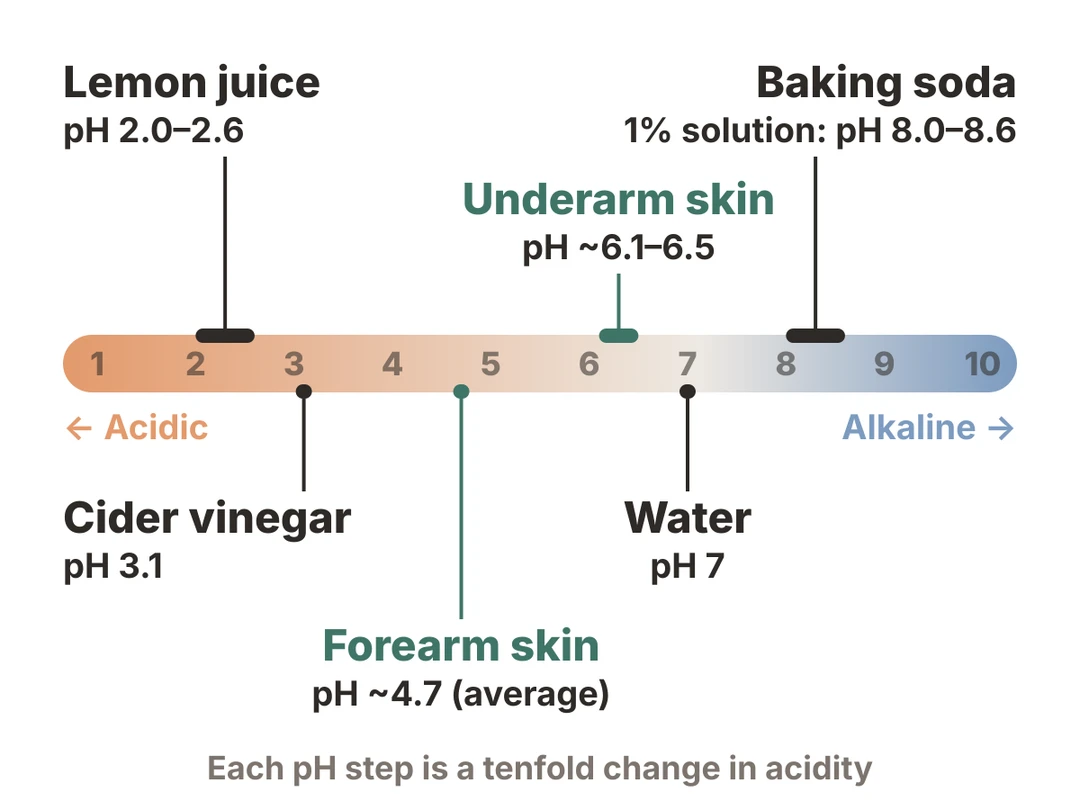
Most underarm darkening is post-inflammatory: small, repeated bouts of irritation from shaving, plucking, friction or products, each leaving a little more pigment behind. A 2025 systematic review of underarm hyperpigmentation lists the use of whitening agents among the causes, alongside friction, shaving, plucking and deodorants. The American Academy of Dermatology (AAD) also notes that an irritating product can leave dark spots, particularly on darker skin.
Underarm skin has a few built-in weak points as well. Healthy skin is slightly acidic, with an average surface pH of about 4.7 when measured on the forearm. In the closed, damp underarm the pH runs clearly higher: one study measuring the underarms of people who shaved and used deodorant recorded averages of about 6.1–6.5. A closed fold also keeps whatever you apply in contact with the skin for longer, and freshly shaved skin carries tiny nicks that make products sting. Something only mildly harsh on the back of your hand can be enough to inflame an underarm.
Two questions to score any remedy
Ask two questions of any remedy. First, is there data in human skin showing that it reduces pigment, or only results in a dish? Second, does it irritate fold skin? For dark underarms, a remedy with no clear benefit but a real risk of irritation is a losing bet, because the new marks it causes can outweigh anything it fades.
Remedy | What the evidence shows | Verdict |
|---|---|---|
Lemon | pH 2.0–2.6; can cause a phototoxic reaction in sunlight; no trials in underarm darkening | Avoid |
Apple cider vinegar | Chemical burns reported after applying vinegar to skin | Avoid |
Baking soda | Alkaline in solution, pH about 8–8.6 | Avoid |
Toothpaste | Foaming agents, abrasives and flavourings that irritate | Avoid |
Hydrogen peroxide | Toxic to skin cells; the white blanching is temporary | Avoid |
Alum | May reduce odour; no lightening data in humans | Doesn't treat darkening |
Turmeric | Very limited human data; can cause allergy | Use with caution |
Aloe vera | Gel usually well tolerated; lightening data come from a purified extract | Harmless, little effect |
Potato, cucumber, yogurt | No clinical trials | Harmless, unproven |
Remedies that tend to make things darker

Lemon
Lemon juice has a pH of about 2.0–2.6, hundreds of times more acidic than healthy skin. Lemons also contain furocoumarins, compounds that react with UVA light to cause a phototoxic reaction (phytophotodermatitis): a burn-like rash that can blister and then leave dark marks lasting months, sometimes years. DermNet lists lemon among the important causes of phototoxic reactions. A 2017 case report describes a young girl who suffered first- and second-degree burns and spent four days in hospital after putting lemon juice on her skin and going out in the sun.
Underarms rarely see direct sun, so phototoxicity is less likely there than on the hands. The more common problem is acid on freshly shaved skin. Even dermatologists don't agree on lemon: one Cleveland Clinic dermatologist considers rubbing a lemon slice on the underarm for about 10 minutes and rinsing acceptable, because citric acid loosens the outer layer of skin, though not too often; another Cleveland Clinic dermatologist warns that fresh citrus juice can burn skin that is irritated or freshly shaved. The "lighter" look its supporters describe comes from shedding the outer layer, not from less melanin. For people who shave or pluck several times a week, as most people with dark underarms do, that benefit rarely justifies the risk.
Apple cider vinegar

Vinegars contain roughly 4–8% acetic acid, and apple cider vinegar has a pH of about 3.1. The Journal of the American Academy of Dermatology has published a report of a chemical burn from topical apple cider vinegar, and another report describes a teenager who developed erosions on the side of her nose after applying a few drops of the vinegar to moles under bandages for three days, following an internet protocol. The underarm is naturally closed, somewhat like the bandaged skin in these cases. No study shows that vinegar lightens underarms.
Baking soda
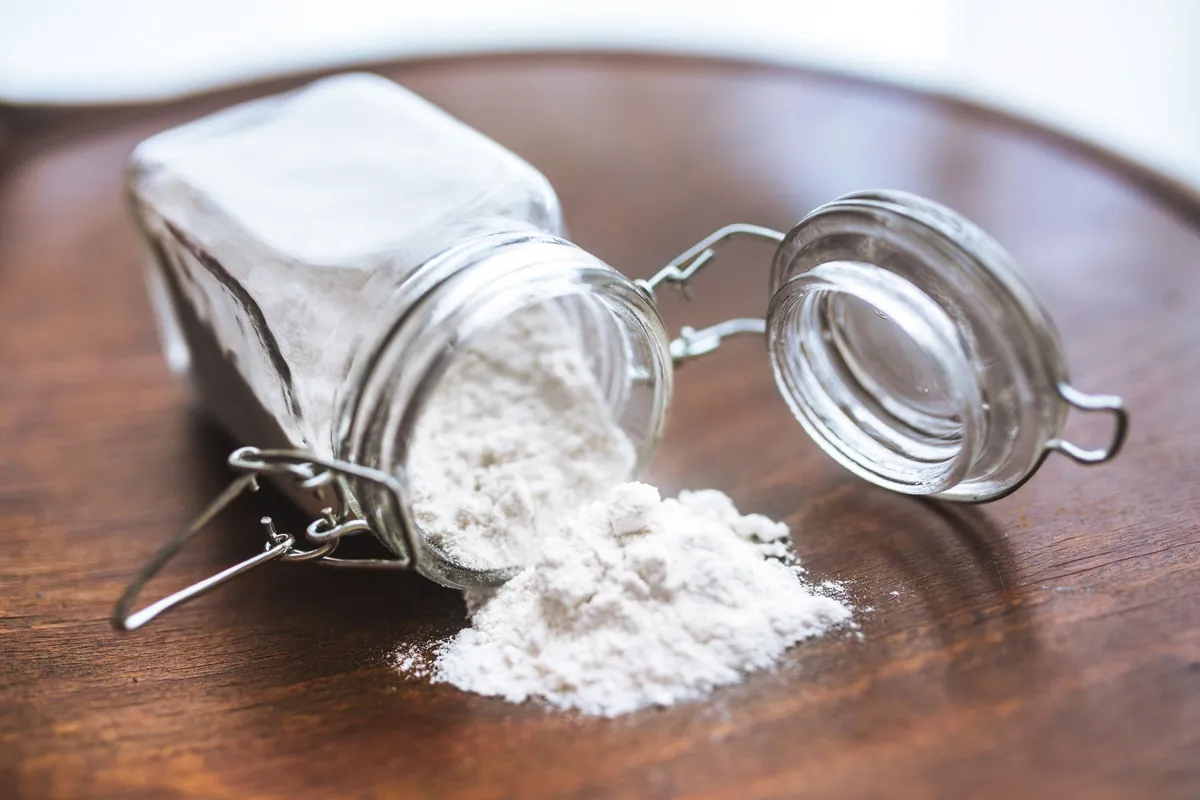
Baking soda is alkaline in solution: about pH 8.3 at 0.1 mol/l and 8.0–8.6 in a 1% solution. Applying it to the underarm pushes skin that is already less acidic than elsewhere further towards alkaline. In mice, keeping the skin surface pH raised for a sustained period activates protein-digesting enzymes that damage the lipid production of the skin barrier; these are animal data, so they suggest a mechanism rather than prove one in people. The AAD advises people with hidradenitis suppurativa to avoid deodorants containing baking soda because it can irritate, and it is a common ingredient in "natural" deodorants. No study shows that baking soda lightens skin.
Toothpaste
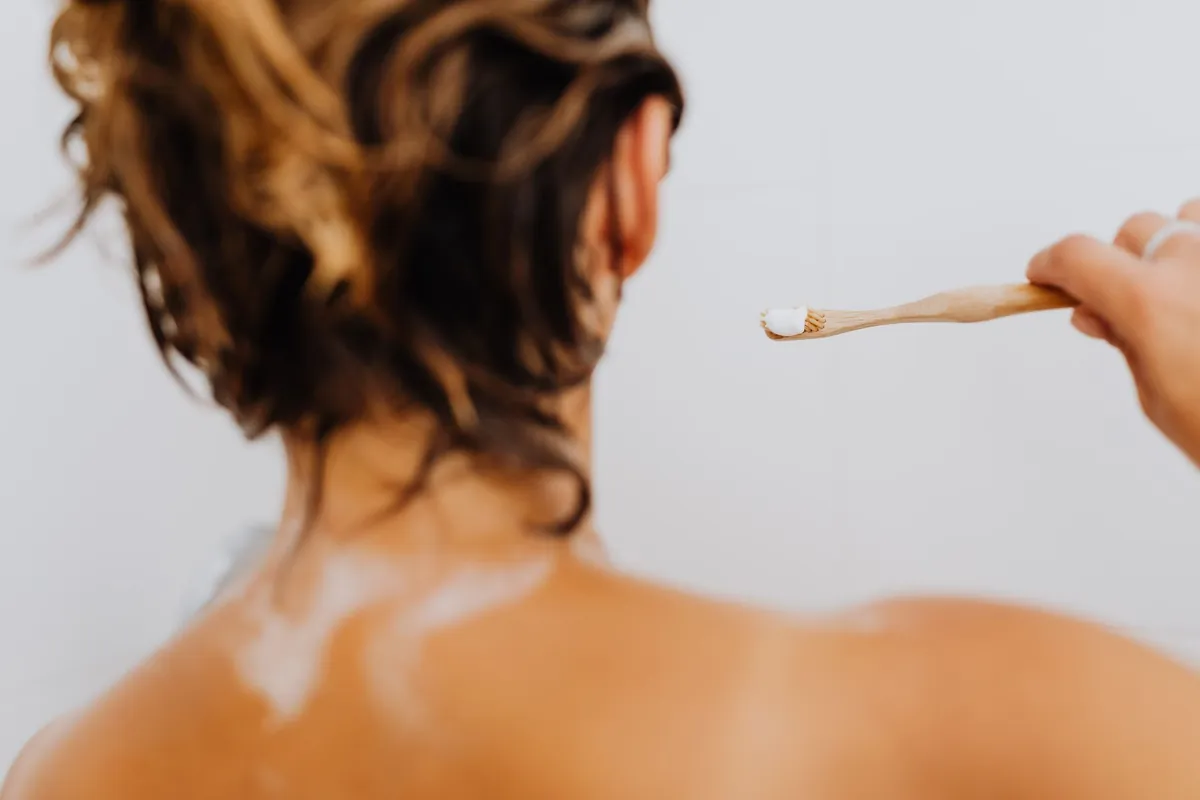
Asked whether toothpaste treats acne, the AAD answers with a flat no: toothpaste contains abrasives such as baking soda, peroxide-based whiteners, colours and flavours that can irritate or damage skin. Sodium lauryl sulfate, the foaming agent in many toothpastes, is the standard substance researchers use to provoke skin irritation in studies, and flavourings such as mint and cinnamon are the leading cause of allergy to toothpaste. The "whitening" on the tube refers to stains on tooth enamel and has nothing to do with melanin in skin.
Hydrogen peroxide
In a study comparing the toxicity of wound cleansers on cultured skin cells, hydrogen peroxide was among the most toxic to keratinocytes. Even at low concentrations it can blanch the skin white and raise blisters; the white patch fades by itself and does not mean pigment has gone. Hydrogen peroxide bleaches hair, but no study shows that it lightens skin.
Salt scrubs, sugar scrubs, rough loofahs
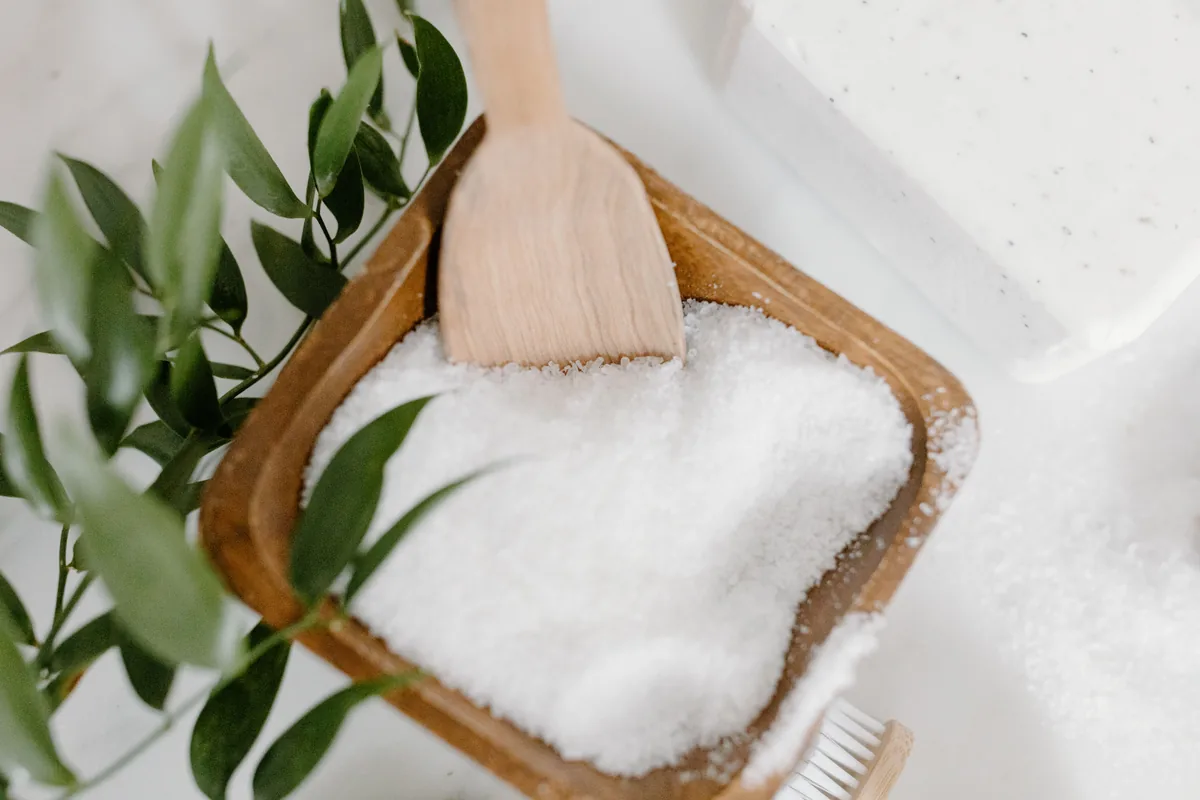
Scrubbing sheds the outer layer, so skin looks brighter straight away, but the effect is gone within days, while repeated friction is itself a cause of darkening in body folds. Why hard scrubbing is the wrong reflex for underarms is explained in our guide to dark underarms and body folds.
Alum and turmeric: half right
Alum
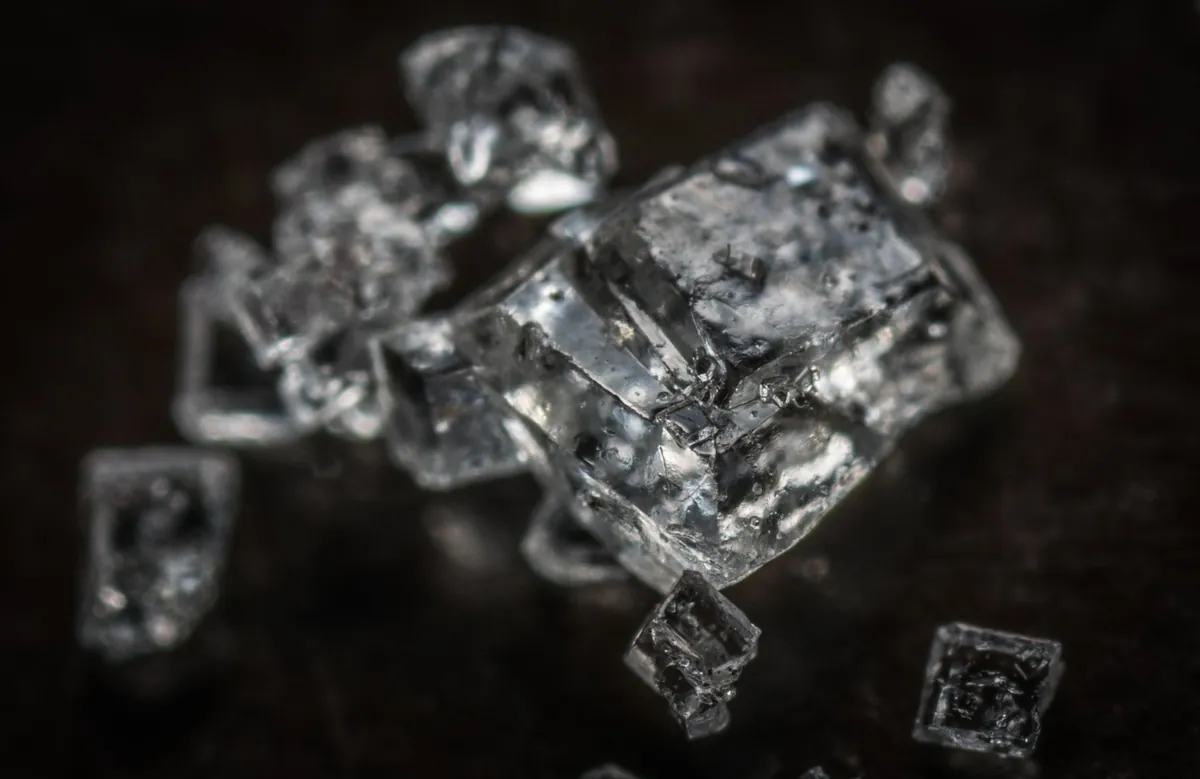
Potassium alum, sold as "crystal" deodorant, is astringent and inhibits bacteria in the laboratory, so it may reduce odour for some people. It is not on the US Food and Drug Administration (FDA) list of approved antiperspirant ingredients, which means it cannot be marketed as an antiperspirant in the US. For underarm darkening, the only data come from a test-tube study in mouse melanoma cells; there are none in human skin. Alum is also an aluminium salt, and irritant dermatitis from alum crystal deodorant has been reported. If you use it for odour, apply it to intact skin, not straight after shaving, and stop if it stings. Odour together with a red-brown, scaly patch may be a superficial bacterial infection that needs to be examined rather than treated at home.
Turmeric
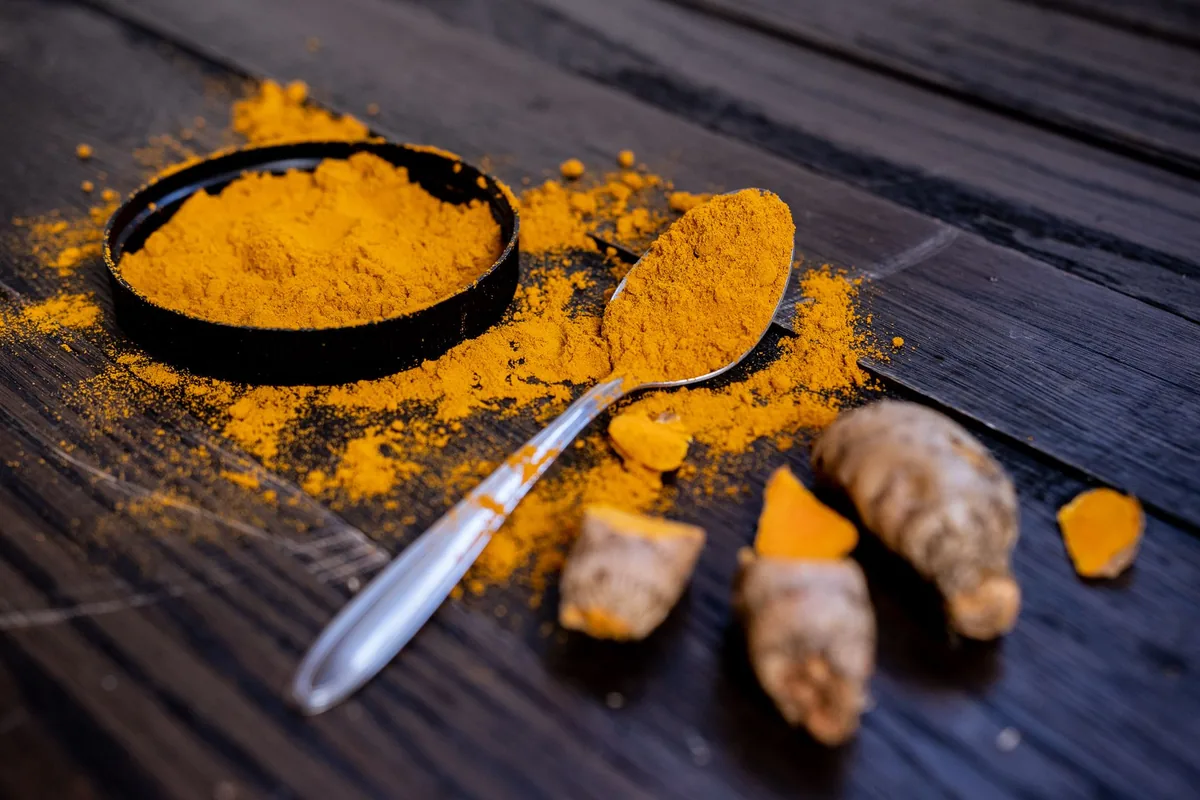
Curcumin, the active compound in turmeric, has some anti-inflammatory data, but a 2016 systematic review of turmeric and skin health covering 18 clinical studies found the evidence limited and none of the studies addressed hyperpigmentation. A separate 2018 review of natural ingredients for hyperpigmentation did not place turmeric among those showing efficacy. Fresh turmeric stains skin yellow, so part of the "brighter" look after a mask is simply the dye. Curcumin is also a recognised contact allergen, and one of the reactions it causes is pigmented contact dermatitis, in other words a new kind of dark mark. Cosmetics made with purified curcumin are a different matter from a homemade turmeric paste.
Aloe vera, potato, cucumber, yogurt: harmless, but don't expect much

According to the US National Center for Complementary and Integrative Health (NCCIH), aloe vera gel applied to the skin is generally well tolerated, with occasional reports of burning, itching or rash. The gel comes from the inner leaf and is distinct from the yellow latex just under the rind, so if you use a fresh leaf, take only the clear inner gel and rinse the latex off. The lightening data often quoted come from one small study of 15 people: a cream of purified aloesin, a compound found in aloe, applied four times a day for 15 days suppressed about 34% of UV-induced darkening on the forearm. That was a purified compound tested on a tan, not fresh gel on dark underarms.
For potato, cucumber and yogurt, we found no clinical trials on skin lightening. A Cleveland Clinic dermatologist has also said he isn't convinced that remedies such as potato juice work for dark underarms. Their real effect is mainly cooling and hydration. Use them if you enjoy them, as long as you rinse and dry the underarm afterwards.
Why remedies still seem to work for some people
A remedy can look effective even when pigment hasn't changed. Scrubs and acids shed the outer layer, so skin looks brighter for a few days. Turmeric dyes the skin yellow; hydrogen peroxide blanches it and bleaches the hair. Before-and-after photos are rarely taken in the same light. The biggest reason is that people usually start a remedy at the same time as they change their habits: they stop plucking, switch deodorant or wear looser tops. Once the irritation stops, post-inflammatory marks fade on their own over time, though this can take months to years, and the remedy gets the credit.
Treating dark underarms at home: what is actually worth doing
What helps most at home is removing the source of irritation and caring for the skin gently, in this order:
Stop plucking underarm hair. Plucking inflames the skin more deeply than shaving and is linked to pigment settling in the deeper layer of the skin; if you need to remove hair, shave gently with a gel or foam, and see how to limit folliculitis and ingrown hairs.
Choose a fragrance-free, alcohol-free deodorant, and don't apply it straight after shaving.
Wear breathable tops that aren't tight under the arms, and dry the area after sweating.
Keep the skin barrier intact: a mild body wash, a simple moisturiser, and no exfoliating while the area stings.
If you want an active ingredient, niacinamide is the one with a trial specifically in underarm darkening. In a randomised, double-blind trial in 24 women, each underarm received a different cream for 9 weeks; 24% of underarms treated with 4% niacinamide showed a good to excellent response, compared with 6% of those treated with placebo. The effect is modest, but it is a kind of evidence no home remedy has. Other actives are covered in our skincare actives guide.
Test any new product before using it on your underarms. The AAD advises applying it to a small patch on the inner arm or the bend of the elbow twice a day for 7–10 days; if the area turns red, itchy or swollen, don't use the product.
Avoid "fast-acting" dark-underarm creams of unknown origin. According to the World Health Organization (WHO), mercury salts are still added to some skin lightening creams because they block melanin formation, even though they can cause kidney damage, rashes, skin discolouration and scarring; manufacturing, importing and exporting these products has been banned under the Minamata Convention since 2020. When you buy a topical product, our guide on how to read cosmetic ingredient labels explains what a label can and can't tell you.
When to stop treating it yourself

Stop everything you're applying and rinse the underarm with cool water if the skin burns, blisters or weeps after trying a remedy; if it spreads or hasn't improved after a few days, see a doctor. It's also worth an examination if the underarm skin thickens and feels velvety, shows a red-brown, scaly patch with odour, or if you've removed the sources of irritation and cared for the skin gently for about three months without any change in colour. Those are usually signs of something other than ordinary post-inflammatory marks.
Dark underarms at Eternal: starting from the right cause
At Eternal, a 1:1 consultation with a doctor starts by working out which kind of darkening you have, because each kind is treated differently. For post-inflammatory and friction darkening, Body Rose is a non-invasive lightening course for underarms, groin, elbows and knees, typically 5–8 sessions about two weeks apart, depending on the area and the depth of pigmentation. When the trigger is a shaving or plucking habit, triple-wavelength diode laser hair removal removes that source; which to start first is discussed in dark underarms: laser hair removal first, or lightening first?
Hotline / Zalo: 0334 713 610
Address: 204 Đường Số 1, An Hội Đông Ward (formerly Gò Vấp District), Ho Chi Minh City (view map)
Opening hours: 10:00 – 20:00 daily