A clinical dermatology perspective from Eternal Beauty Center
A Common Misconception: "Find the Right Routine and You're Done"

Many people believe that once they've found the "right" skincare routine, invested in good products and applied them consistently, their skin will stay stable for the long term. From a clinical dermatology perspective, however, this is one of the most common misconceptions — and a major reason why so many people find their skin "suddenly worsening" despite a steady routine.
The truth is: skin is not a fixed structure. It's a living organ that constantly changes under the influence of hormones, environment, age, stress levels, sleep quality, and the way we care for it every day.
A routine that suits you today can stop being effective — and even overload and damage your skin barrier — within just a few months, if it isn't reassessed at the right time.
When the Same Routine Starts to Cause Harm
Take a classic example from acne treatment:
Oily, acne-prone skin in the active inflammatory phase needs aggressive control of inflammation and sebum production. Actives such as BHA, benzoyl peroxide, or retinoids are often used at higher frequencies to deliver real therapeutic results.
But once breakouts have settled, continuing the same strong acids or retinoids at the original intensity can easily push the skin into:
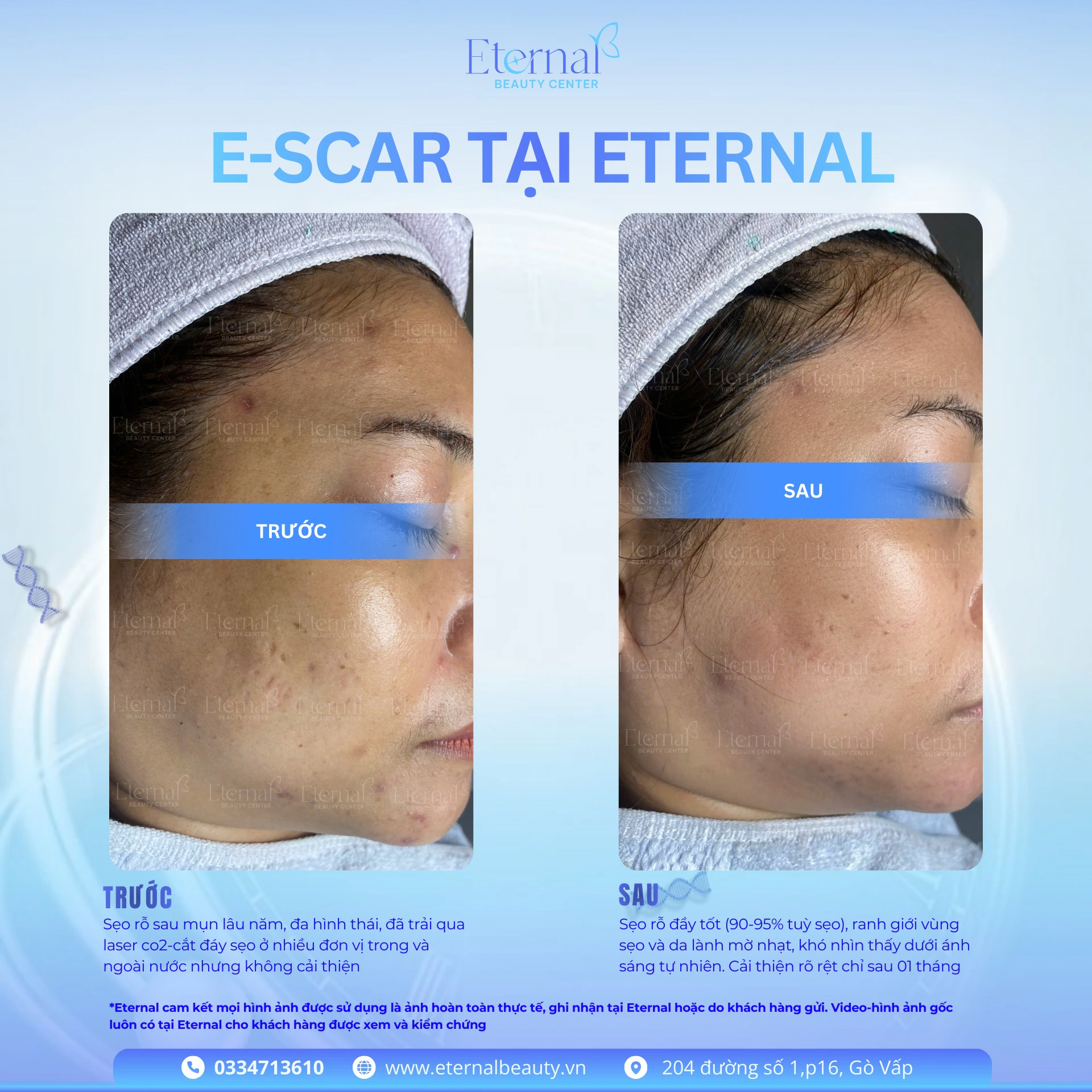
Chronic, lingering irritation
Increased sensitivity to the environment
Stubborn post-inflammatory hyperpigmentation (PIH)
A weakened skin barrier
This is why so many people ask: "I'm using exactly the routine my doctor gave me — why is my skin getting weaker?" The products aren't wrong; the skin's phase has changed but the protocol hasn't.
What Does Regular Skin Monitoring Actually Give You?
1. Catching Quiet Changes Early
Most dermatological problems don't begin with dramatic cystic acne or obvious melasma. They usually start with very small signals that are easy to miss:
Mild, lingering redness, especially on the cheeks and around the nose
Slight stinging when using familiar products
Micro-flaking (very fine peeling, only visible up close)
Unusual oiliness in the T-zone
Denser closed comedones beneath the surface
A duller, uneven complexion
These are what we call the "early intervention window" in clinical dermatology. Handled at the right moment, recovery is gentler, less costly, and far less risky than waiting until the issue escalates.
2. Adjusting Actives Through Each Phase
Retinoids, AHA/BHA, benzoyl peroxide, or high-concentration vitamin C should never be used at a fixed frequency forever.
The frequency needs to be personalised based on:
Your skin's current tolerance level
The state of your skin barrier
Treatment goals for the current phase
Hormonal and environmental factors in your life
In our clinical practice, we always follow the "minimum effective dose" principle — enough actives to drive real results, never so much that your skin pays the price in chronic irritation. It's the approach that keeps long-term outcomes strong without compromising the foundation of your skin.

3. Keeping the Skin Barrier Stable
The skin barrier is the foundation that determines how well your skin can resist inflammation, retain hydration, and tolerate active ingredients during treatment.
Many lingering acne cases, persistent redness, or stubborn post-inflammatory pigmentation are not the result of "not enough treatment" — they happen because the barrier has already been compromised but never properly identified.
Once the barrier weakens, a vicious cycle begins:
Skin becomes more inflamed when exposed to actives or the environment
Recovery slows down noticeably
Issues keep returning despite ongoing treatment
Tolerance to actives gradually decreases over time
Regular monitoring lets us catch early signs of barrier weakness and step in promptly — rather than waiting for the skin to "call for help" through obvious symptoms.
A Routine Is Only a Starting Point
In our consultations, we never stop at simply "prescribing a routine".
No matter how carefully designed, a routine is just the beginning of a skincare journey. What matters far more is the follow-up:
How is the skin responding to the protocol?
Are the actives still appropriate for the current phase?
Should we step up, ease back, or change direction?
Have hormonal, environmental, or lifestyle factors shifted?
Sometimes a small change in frequency — say, going from nightly retinoid to three nights a week — is enough to transform the result.

Healthy Skin Isn't About Using More Products
Healthy, resilient skin has never been the result of simply using more products.
It comes from three things that always go together:
The right routine — built on a specific clinical assessment
Close monitoring — tracking how your skin reacts and changes over time
Timely adjustments — personalising the protocol for each phase
This is why a serious dermatology consultation is never about "one visit and then the same products forever". It's an ongoing partnership — where doctor and patient observe and adjust together, so the skin is always cared for in the way it actually needs.
If you've been noticing subtle changes in your skin without a clear cause, or your current routine no longer delivers the results it used to, a deeper consultation can help you see exactly where your skin stands today — and the right direction to adjust.
Book your in-depth skin consultation at Eternal Beauty Center Gò Vấp — where every complexion is observed, listened to, and cared for the way it truly needs.