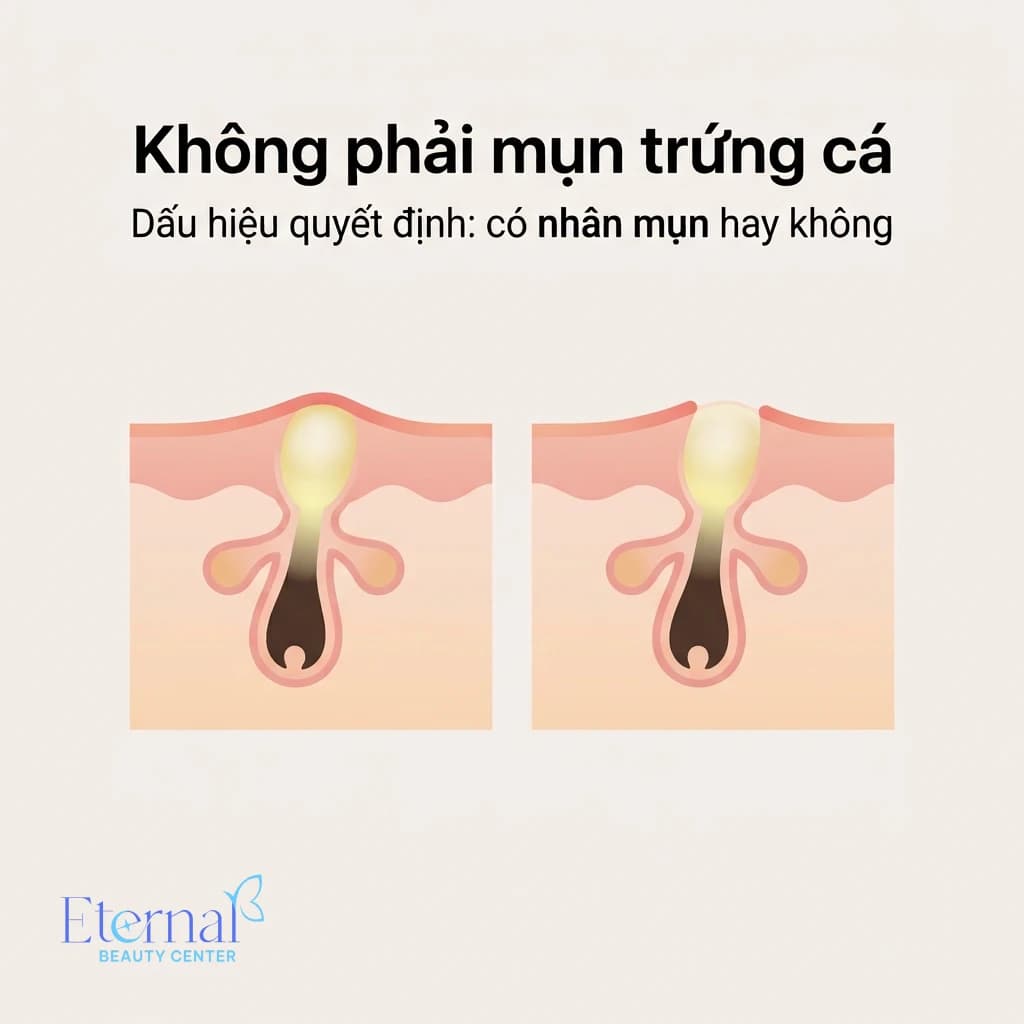
Acne is more than a temporary cosmetic concern — it directly affects your confidence and the long-term health of your skin. At Eternal Beauty Center by Dr. Le Hien, acne is treated with a medical-grade approach: protocols are personalised to each skin condition, oral medication is kept to a minimum, and a dermatologist stays involved from the first session through to long after treatment ends. This article summarises the key advantages, the common types of acne, and the medical acne-treatment process and methods used at Eternal.
Why choose medical acne treatment at Eternal Beauty Center?
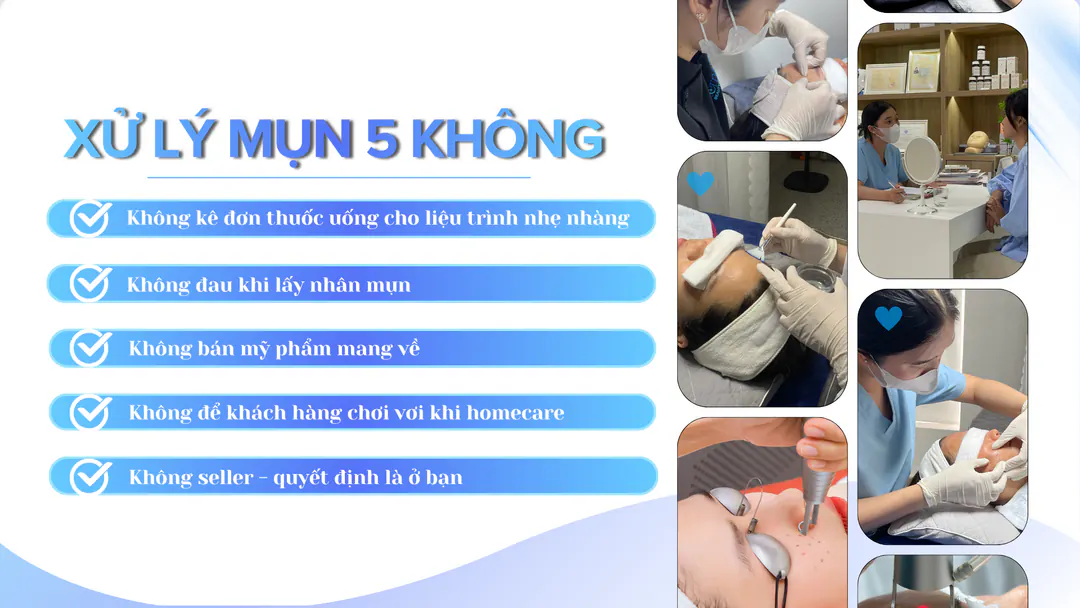
What sets Eternal apart is its treatment philosophy: your skin is treated as a whole that needs long-term monitoring, rather than only clearing the acne visible on the surface today. The core advantages include:
Experienced dermatologist: personally examines your skin and builds an acne-treatment protocol for each client.
In-depth, personalised protocols: designed around your specific acne condition, skin type and physiology.
US FDA-cleared devices: modern technology that helps minimise the need for medication.
Minimal oral medication: a gentle, sustainable course is prioritised over long-term antibiotics or oral drugs.
Structured at-home care: a post-treatment skincare routine that maintains results and prevents relapse.
End-to-end support: the dermatologist follows your skin throughout the course and after it ends.
This philosophy is captured in the “5 Nos” acne commitment: no oral prescriptions for a gentle course; no pain during extraction; no take-home products pushed on you; no being left alone with your at-home care; and no hard selling — the final decision is always yours.
Common types of acne and how to recognise them
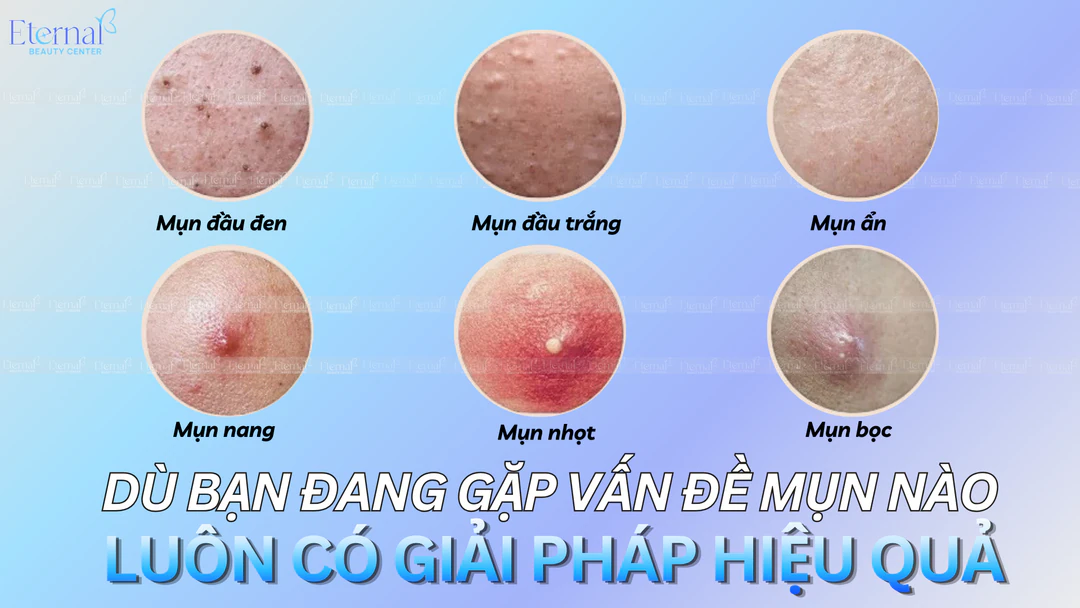
Whatever acne problem you are facing, correctly identifying the type is the first step toward the right protocol. Acne falls into two main groups: non-inflammatory and inflammatory.
Blackheads: a non-inflammatory acne that forms when pores are clogged with sebum, dead cells and dirt. The open comedone oxidises in the air and turns its characteristic black.
Whiteheads: also non-inflammatory, but the pore stays closed so the comedone sits under the skin, away from the air, and appears white.
Hidden (closed) acne: sits deep under the surface and is hard to see. It is not painful but leaves the skin rough and uneven.
Boils (furuncles): an inflammatory acne caused by a strongly infected follicle, forming a red, painful, pus-filled bump.
Cystic acne: the most severe inflammatory form, arising deep in the skin, swollen and full of pus, with a high risk of permanent scarring.
Nodular/papulo-pustular acne: a serious inflammatory form containing pus and blood — large, hard and painful, with a deep core that easily leaves atrophic scars if mishandled.
Have you been through any of this while treating acne?
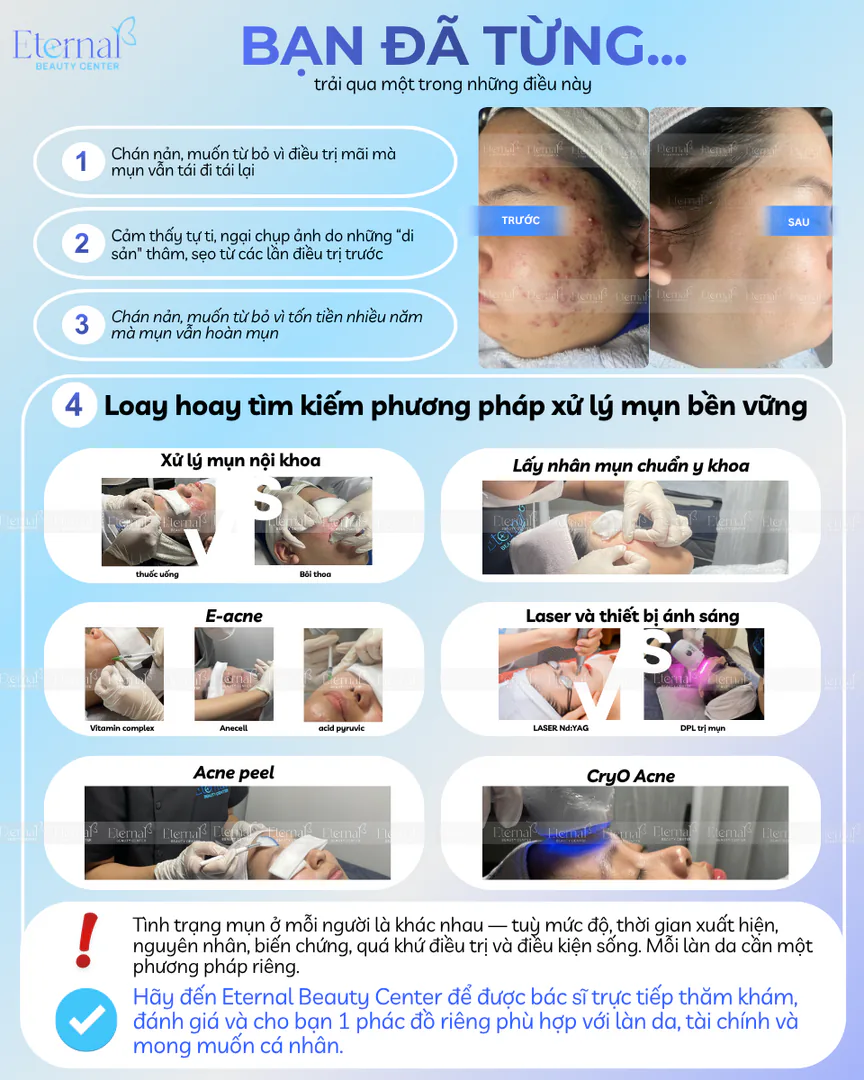
Many people come to Eternal after an exhausting acne journey. You may have:
Felt self-conscious and wanted a quick fix, only for the acne to keep coming back.
Worried because you could not find a method safe enough, without truly understanding your own skin.
Felt the cost adding up — tried many places and methods, yet the acne never cleared.
Been overwhelmed by too many options — medical care, extraction, E-Acne, lasers and light devices, Acne Peel, CryO — with no idea which one fits.
Acne differs from person to person — by severity, how long it has been present and its underlying cause — so the right method differs too. That is why an examination with the doctor always comes first: to assess accurately and choose the course that suits your skin, your budget and your goals.
The acne-treatment process at Eternal Beauty Center
An acne course at Eternal is organised into clear steps, with a doctor monitoring throughout:
Step 1 – Doctor's examination: assess the skin, identify the acne type and its cause.
Step 2 – Photo records: capture the current state of the skin to track progress across sessions.
Step 3 – Cleansing: prepare a clean skin surface before any intervention.
Step 4 – Extraction: remove comedones using a medical-grade, sterile technique.
Step 5 – Targeted treatment of the acne site: address the root cause with the appropriate method.
Step 6 – Soothing and redness care: calm and recover the skin after the procedure.
Step 7 – At-home skincare guidance: build a routine that maintains the results.
Step 8 – Follow-up: the doctor schedules the review and monitors remotely between sessions.
Medical acne-treatment methods at Eternal
Depending on each individual's skin, the doctor combines one or more of the following methods within a single protocol.
A science-based skincare routine
Most acne relapses happen not because the in-centre protocol is ineffective, but because of the care gap between sessions. A science-based routine is a set of topical actives prescribed individually by the doctor — based on skin condition, age, living environment, occupation and real budget. At Eternal, the routine is not a generic product list but an extension of the protocol, and it often determines 30–50% of the final outcome. No skin can rely on the doctor's hands forever — correct at-home care is what keeps results sustainable.
Medical-grade acne extraction
Extraction is the mechanical step that releases micro-comedones, whiteheads, blackheads and dried cores from the follicle — something topicals alone often take weeks to push out. The common fears are pain, dark marks or spreading the acne. At Eternal, technicians are trained to a medical protocol, instruments are sterile, and the skin is cleansed and disinfected first. Only eligible cores are treated — inflamed, swollen pimples are never squeezed, as that is the main cause of atrophic scars and post-acne hyperpigmentation. Learn more about the E-Acne medical-grade extraction treatment.
Biolight biological light therapy
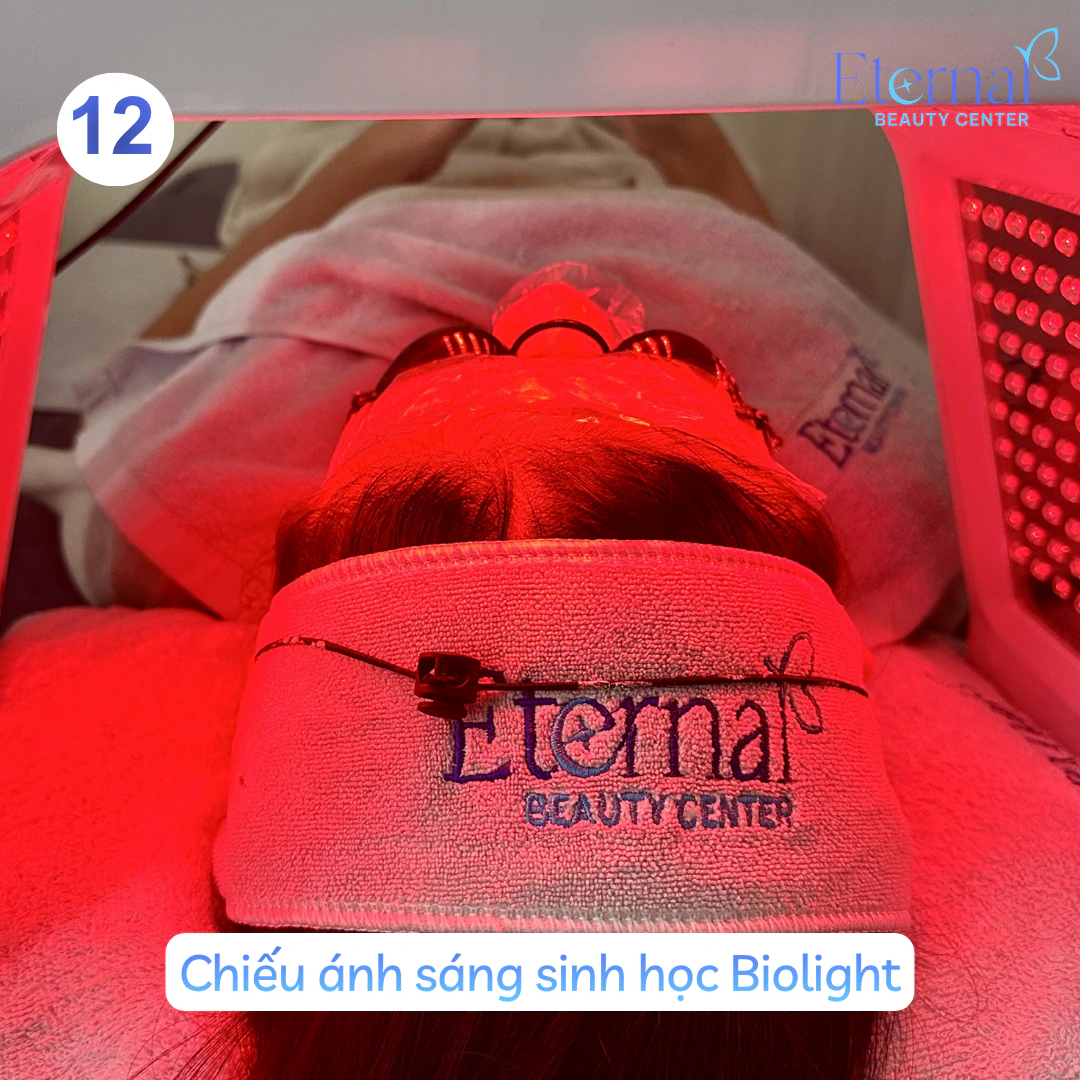
Biological light is one of the non-invasive, US FDA-recognised acne methods. Blue-light wavelengths act selectively on C. acnes bacteria — the main driver of inflammatory acne — while helping regulate sebaceous glands and reduce post-acne redness. No needles, no peeling, no downtime. It is a good choice for inflamed skin that cannot yet take stronger intervention, or for anyone who needs a gentle method interspersed within the protocol.
Acne Peel
Peeling is often misunderstood as heavy flaking. In reality, a peel uses actives to dissolve the stratum corneum so comedones rise and gather, while also calming inflammation, regulating sebum and refining pores. Peels come in three depths — superficial, medium and deep — and most acne protocols only need superficial to medium. At Eternal, the doctor selects the agent, concentration, contact time and number of repeats based on how each skin responds. At the right concentration and the right time a peel is safe; getting either wrong is the real risk. See the Acne Peel treatment for oily, acne-prone skin.
CryO for acne
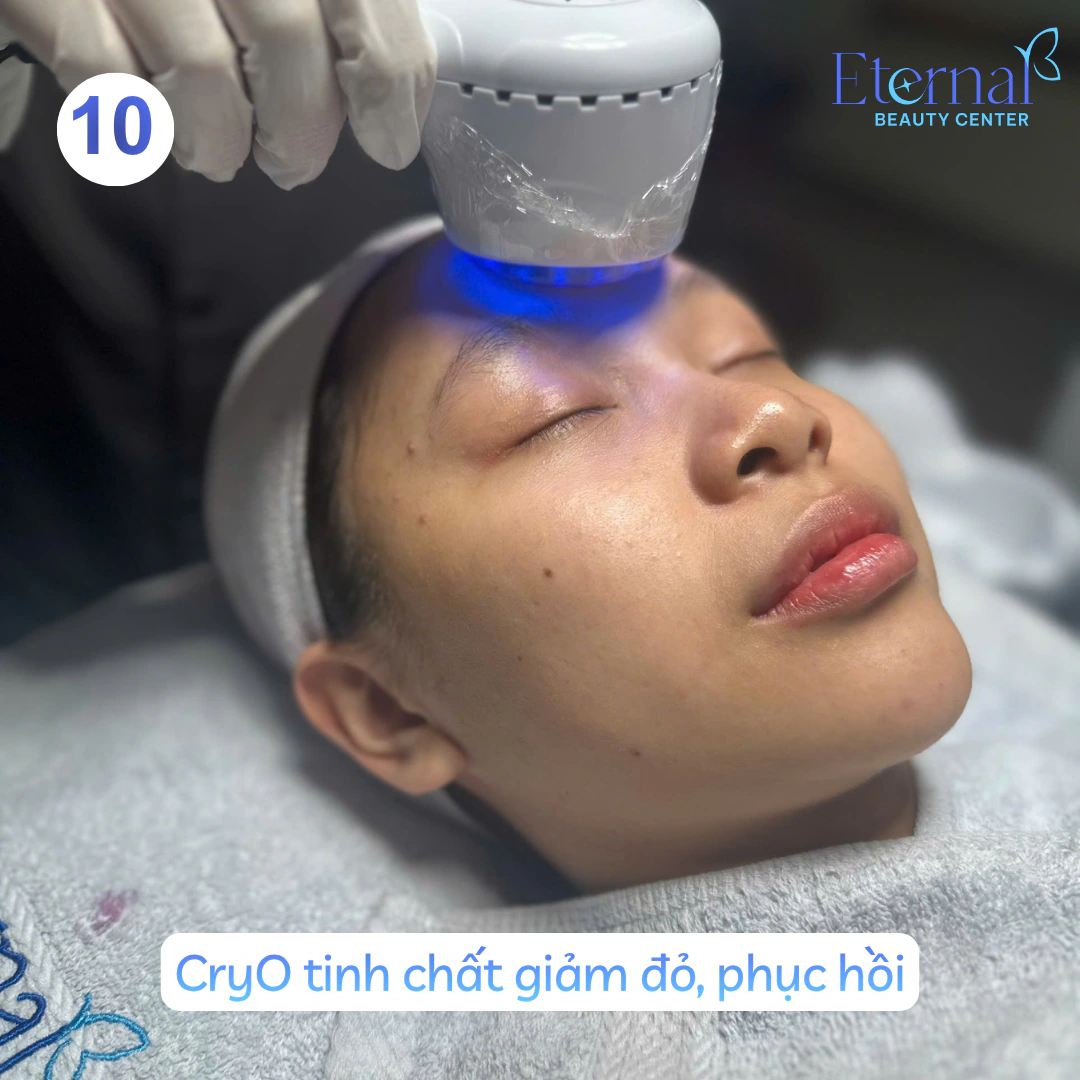
CryO at Eternal uses the Cryo D-Cool device, combining three functions: heat, cold and electroporation iontophoresis. Low-intensity electrical pulses create temporary micro-channels on the skin surface, helping anti-inflammatory, sebum-reducing and antibacterial actives penetrate far deeper than ordinary topical application. The sensation is mostly a pleasant cool — no needles, no surface damage — making it suitable for those who want to boost the effect of actives without invasive intervention.
E-Acne
E-Acne is a technique that delivers actives into the dermis through micro-point tips — where the inflammation actually sits. Ordinary topicals struggle to cross the stratum corneum and break down at the surface, so their effect is limited. The E-Acne blend typically includes salicylic acid, retinol, peptides, zinc, hyaluronic acid and a vitamin complex — combined for anti-inflammatory, antibacterial and antioxidant goals. The micro-points are tiny, the feeling is only a light prickle, and there is no long downtime. It is a good option when inflammatory acne is not well controlled by topicals alone. Explore the E-Acne treatment at Eternal.
DPL for acne
DPL is a high-intensity light technology US FDA-approved for mild to moderate acne, especially active pustular and inflammatory acne. Its main mechanism: reducing sebaceous gland activity and inflammation alongside stimulating collagen — which helps limit later post-acne scarring. A common worry with light devices is darkening caused by an unsuitable spectrum. Eternal uses the DPL Cellec V system with 9 light filters, emitting only the right pulse for each indication to limit side effects on Vietnamese skin.
Long-pulsed 1064nm laser
The long-pulsed 1064nm laser is a medication-free route for acne — suitable for those who do not want, or cannot use, prolonged oral antibiotics or isotretinoin. The 1064nm wavelength reaches deep into the dermis, heating and shrinking the sebaceous glands, reducing excess oil and killing C. acnes, while stimulating collagen to ease inflammation and limit scarring. Eternal uses the Discovery Pico laser by Quanta System (Italy) — US FDA-certified, with two wavelengths and three pulse modes in one device, letting the doctor tune the parameters to each skin condition.
The 15 steps in a medical-grade acne-extraction session at Eternal
Each extraction session at Eternal follows a closed 15-step process that keeps the skin sterile, minimises pain and limits post-acne marks and scars.
Step 1 – Makeup removal: Cleanse away makeup and surface dirt.
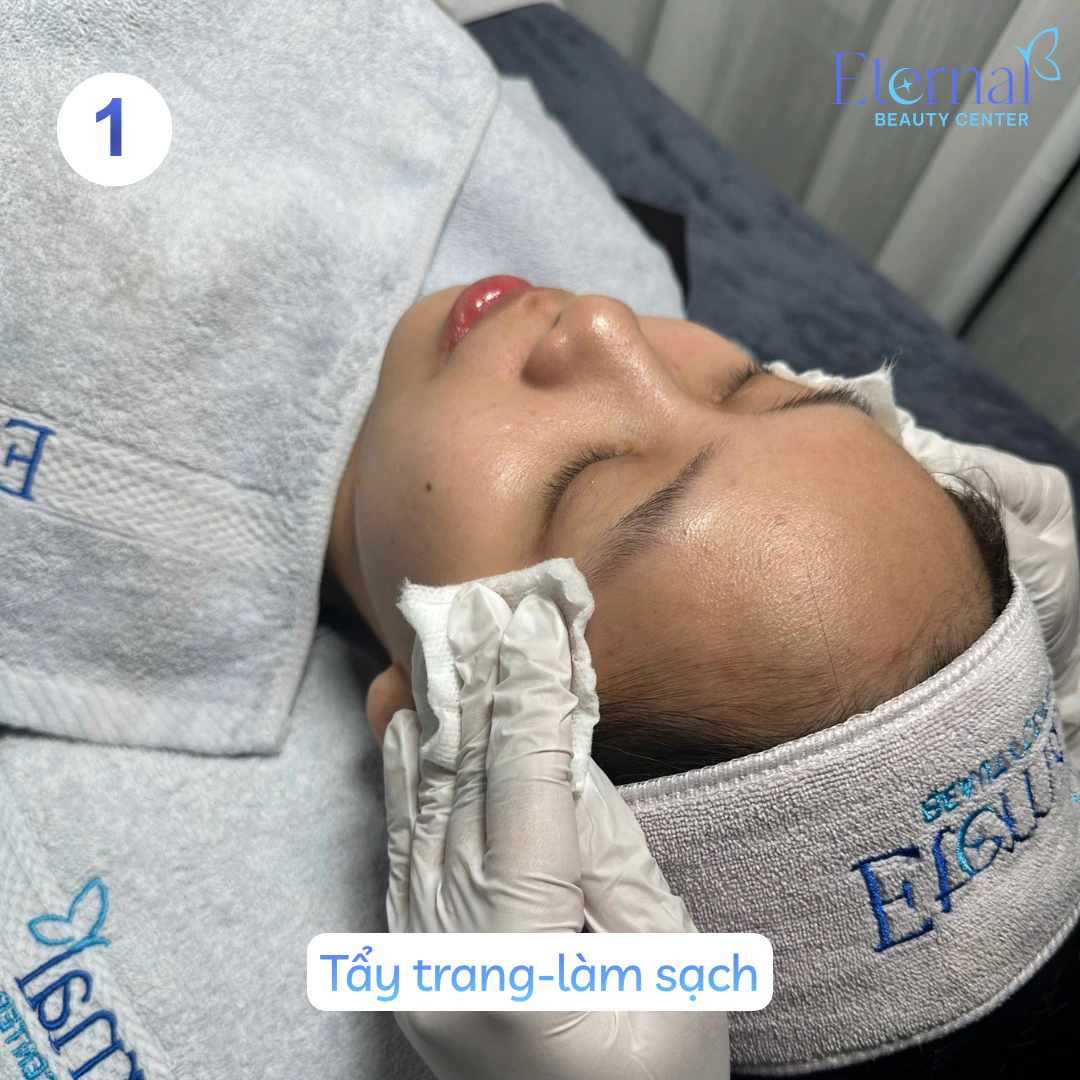
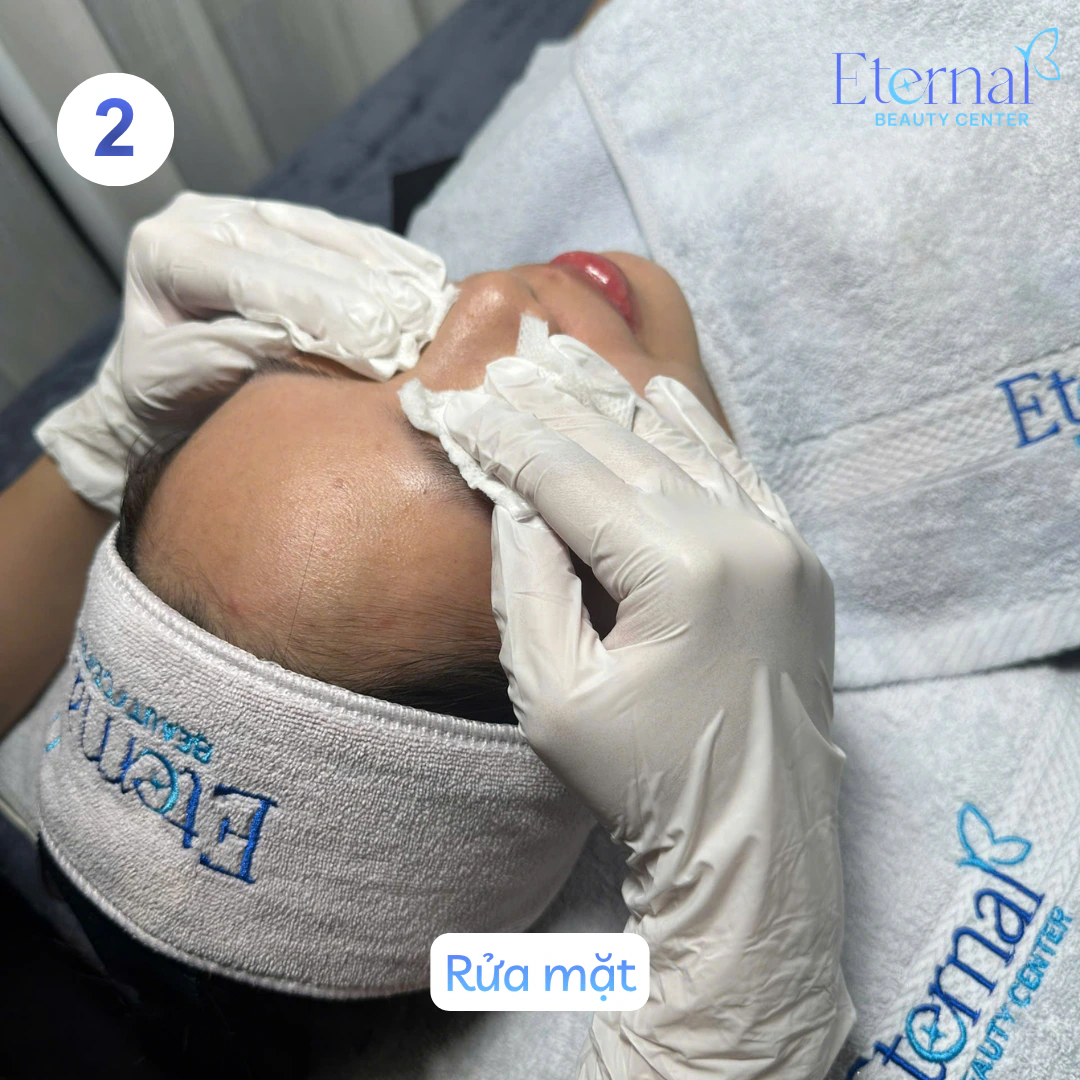
Step 2 – Cleansing: Wash with a gentle cleanser suited to your skin type.
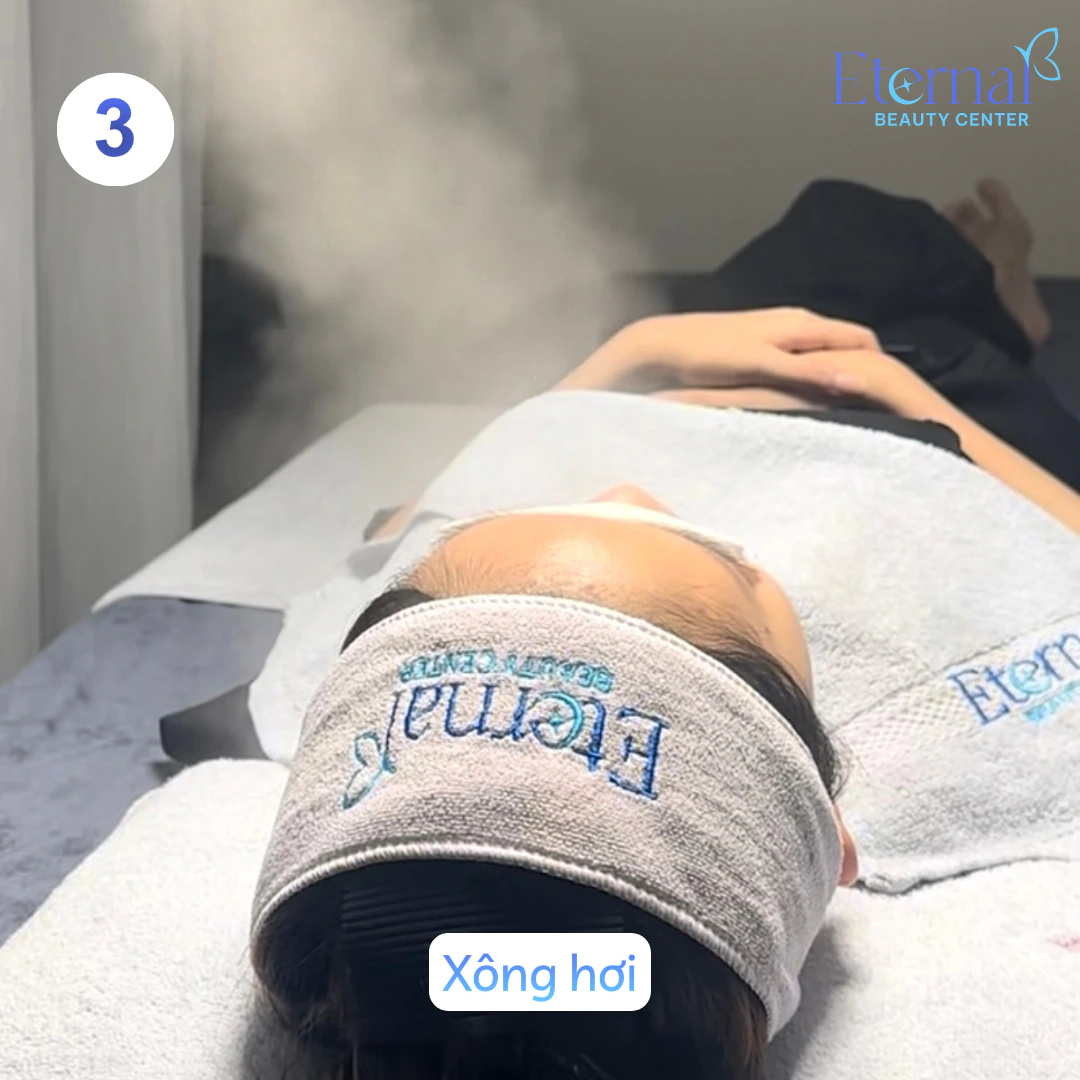
Step 3 – Steaming: Warm steam opens the pores and makes sebum easier to remove.
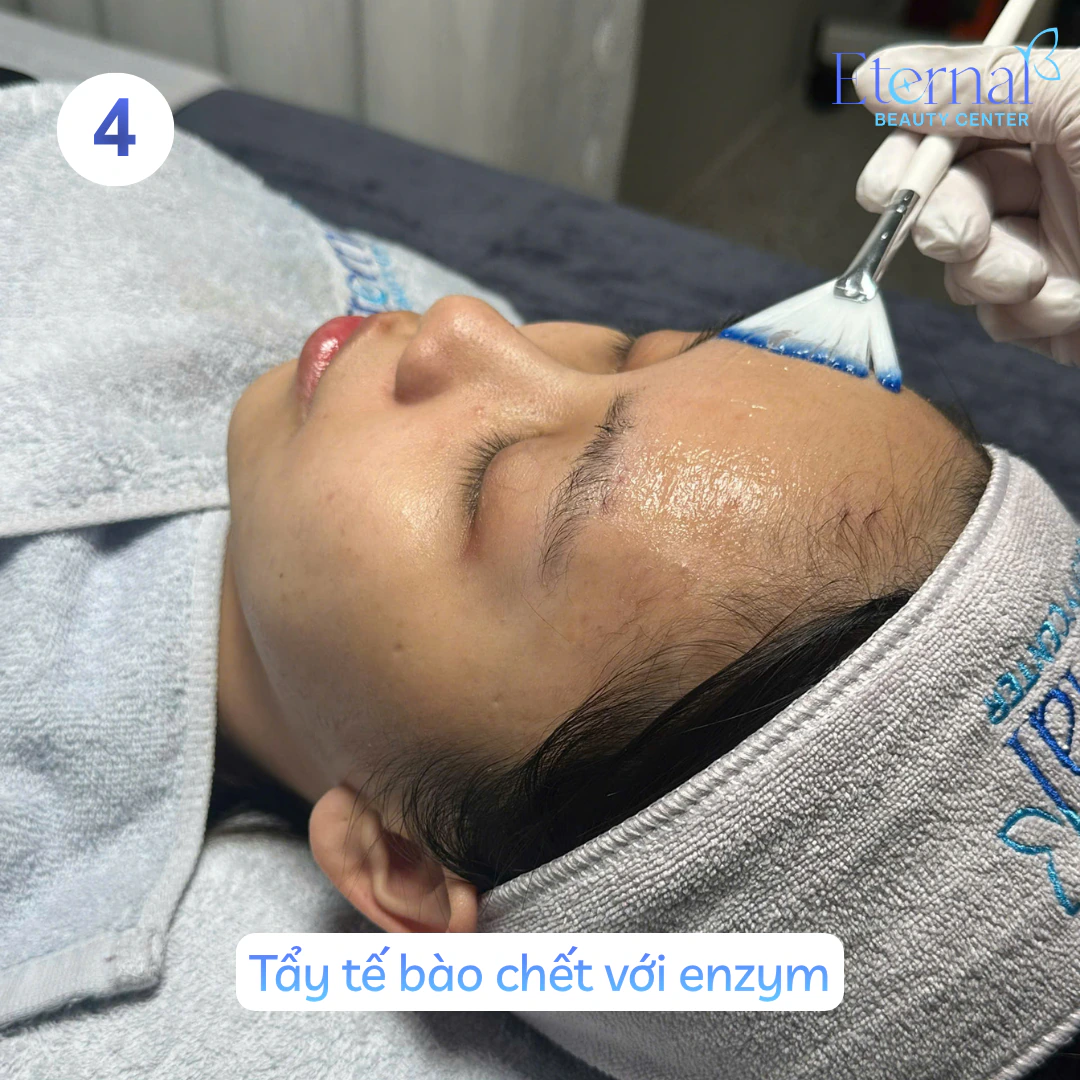
Step 4 – Exfoliation: A gentle fruit-enzyme exfoliation softens the ageing stratum corneum.
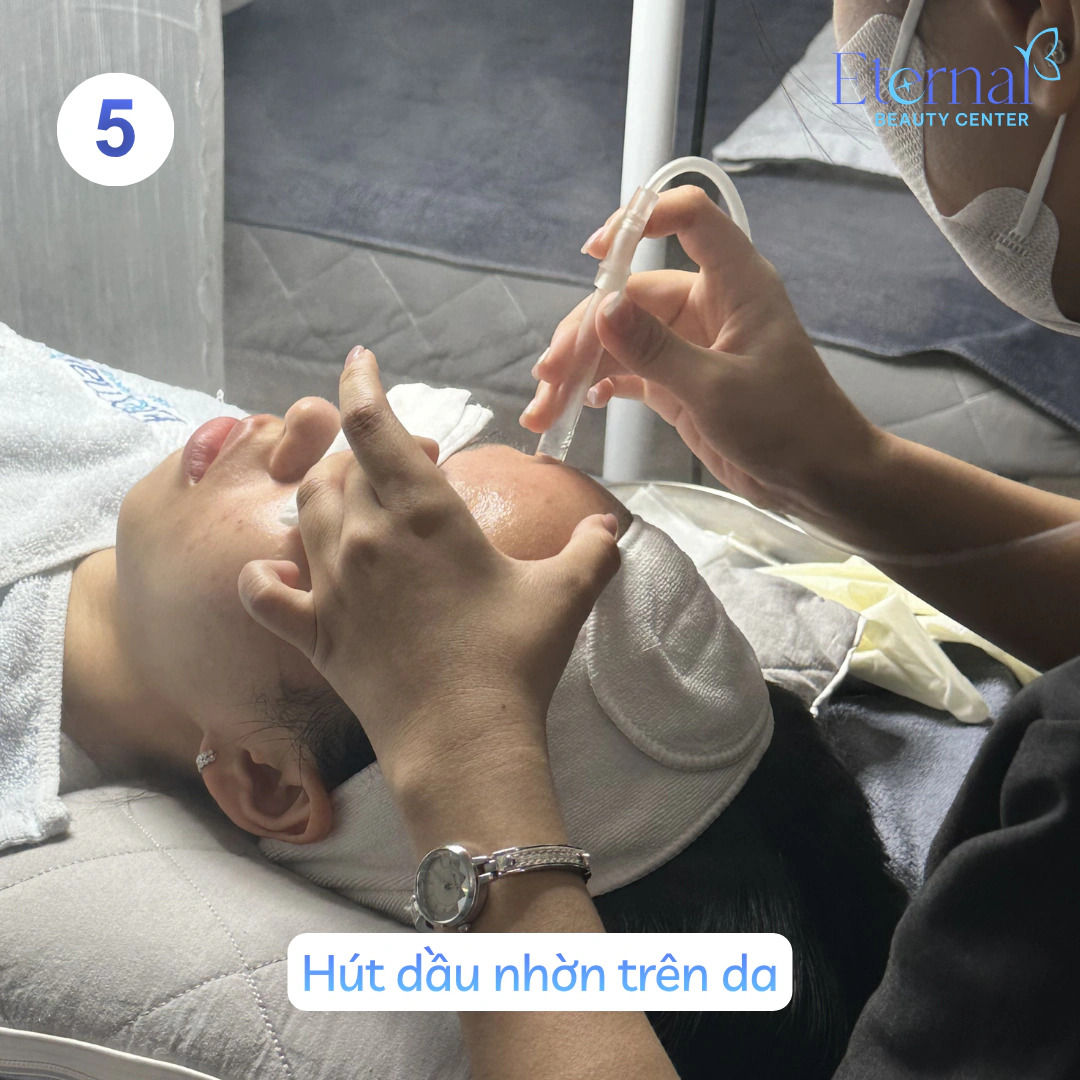
Step 5 – Oil suction: Draw off excess oil to prepare for extraction.
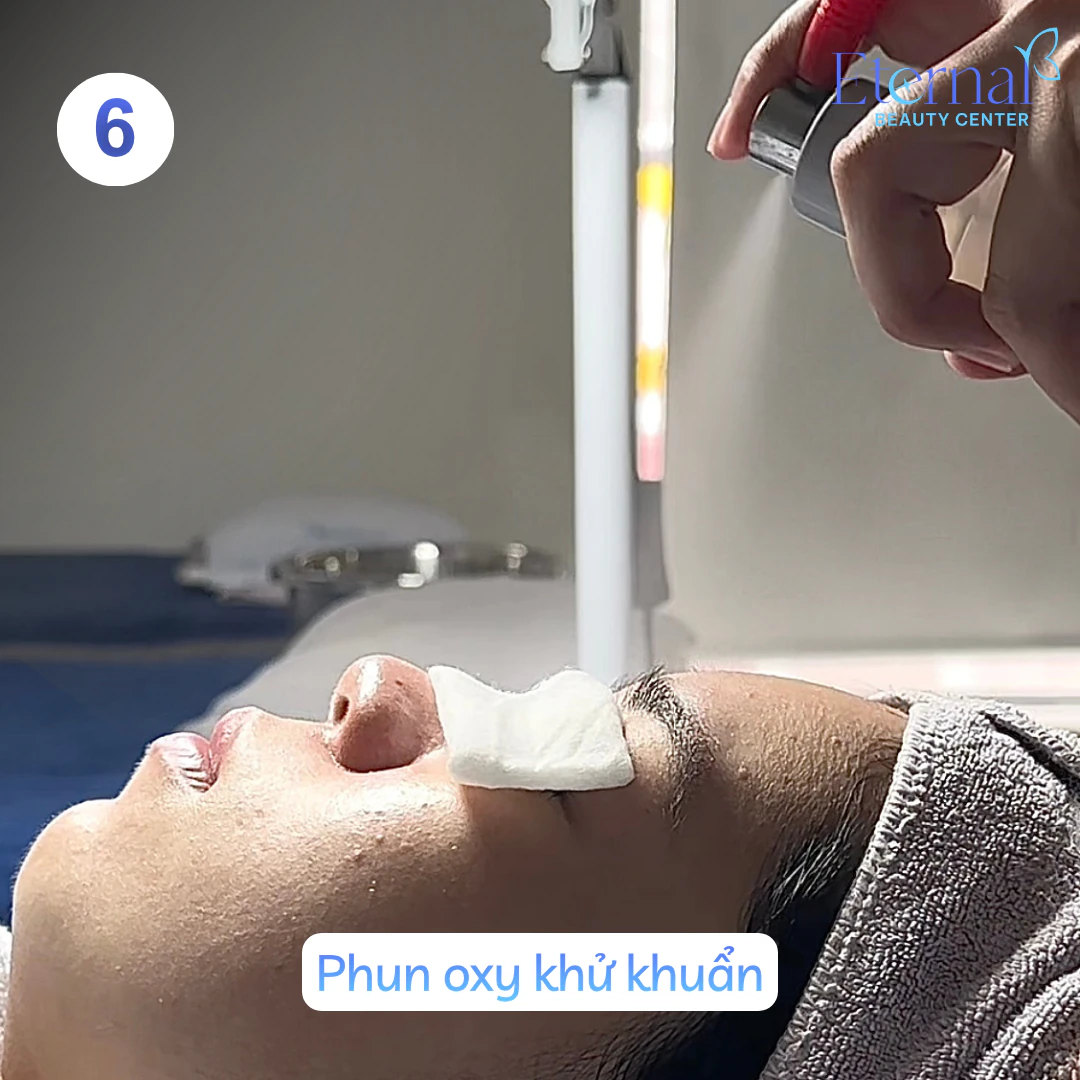
Step 6 – Fresh oxygen spray: Fresh oxygen regulates cellular respiration and boosts nutrient absorption.
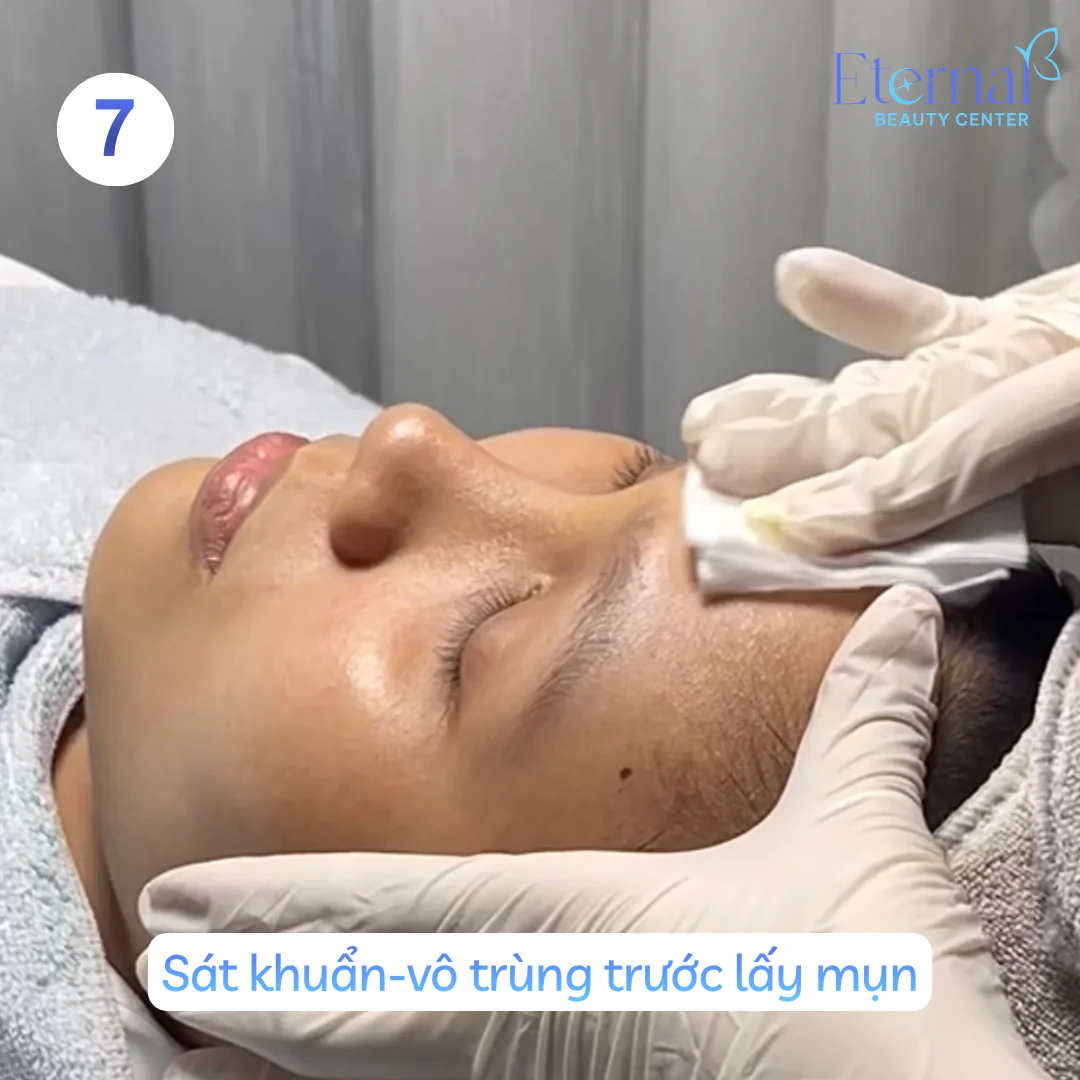
Step 7 – Disinfection: Disinfect the area before extraction.
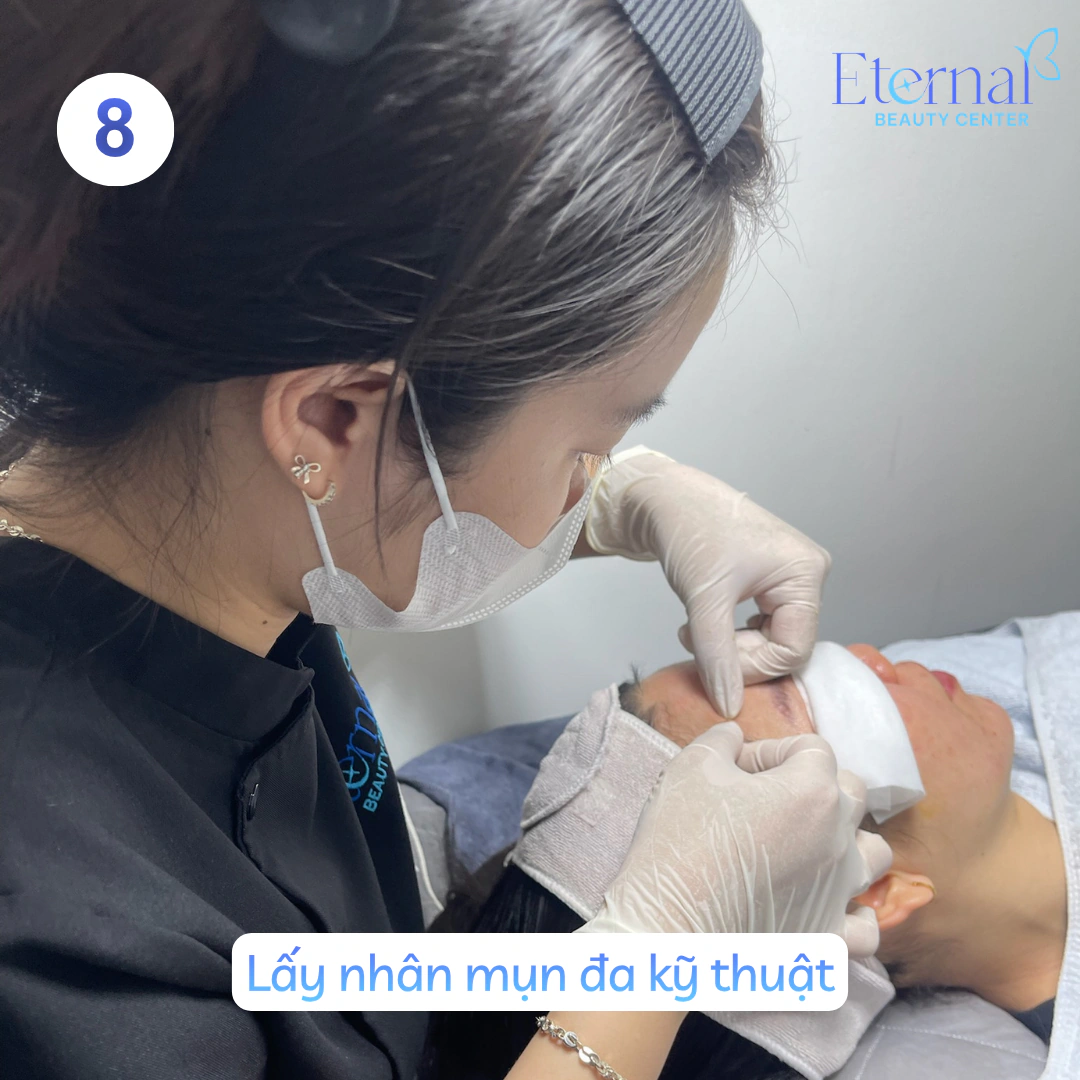
Step 8 – Extraction: Multi-technique extraction, acting only on eligible cores.
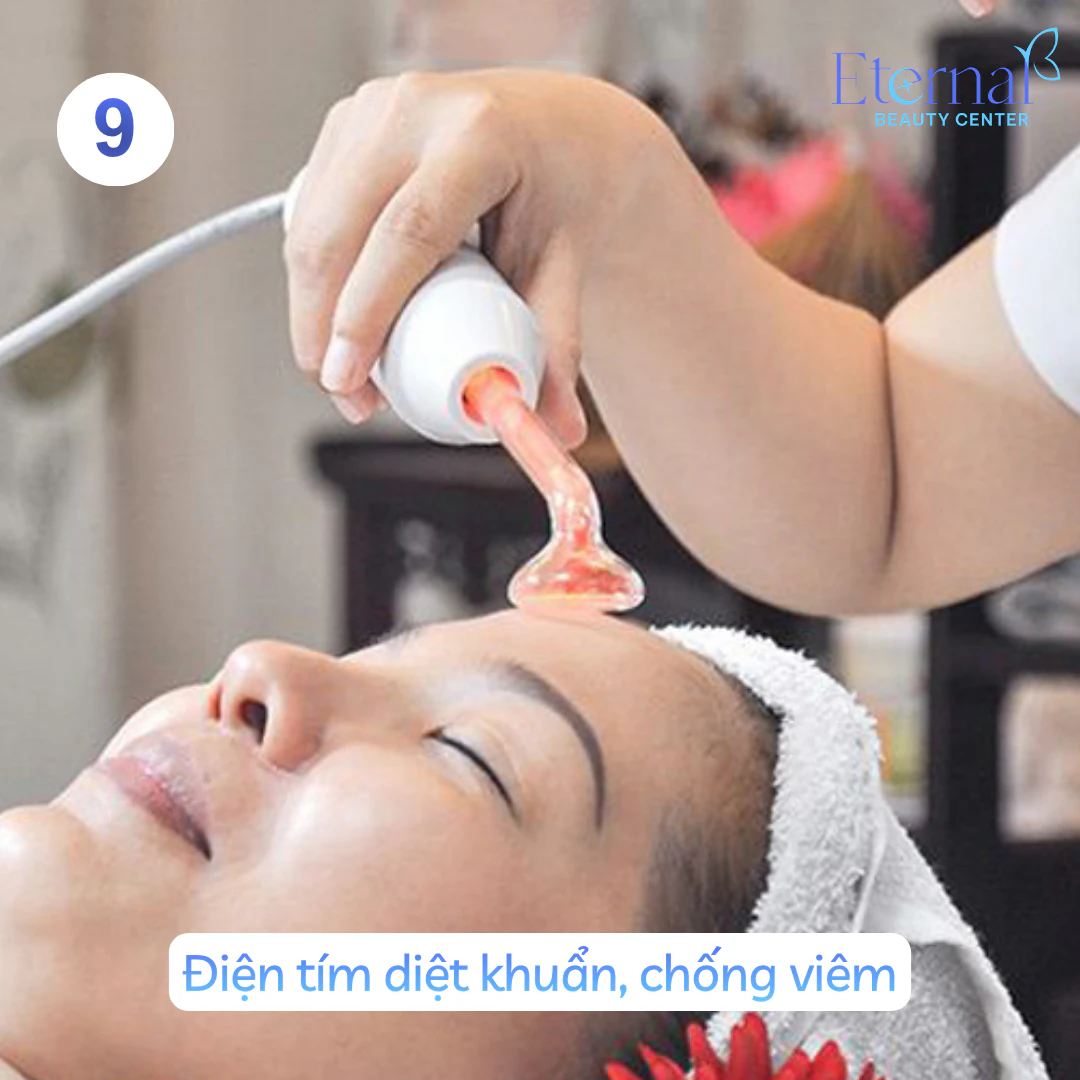
Step 9 – UV electrotherapy: UV electrotherapy disinfects and calms inflammation on the treated area.
Step 10 – Cold iontophoresis: Cold iontophoresis soothes the skin and reduces redness.
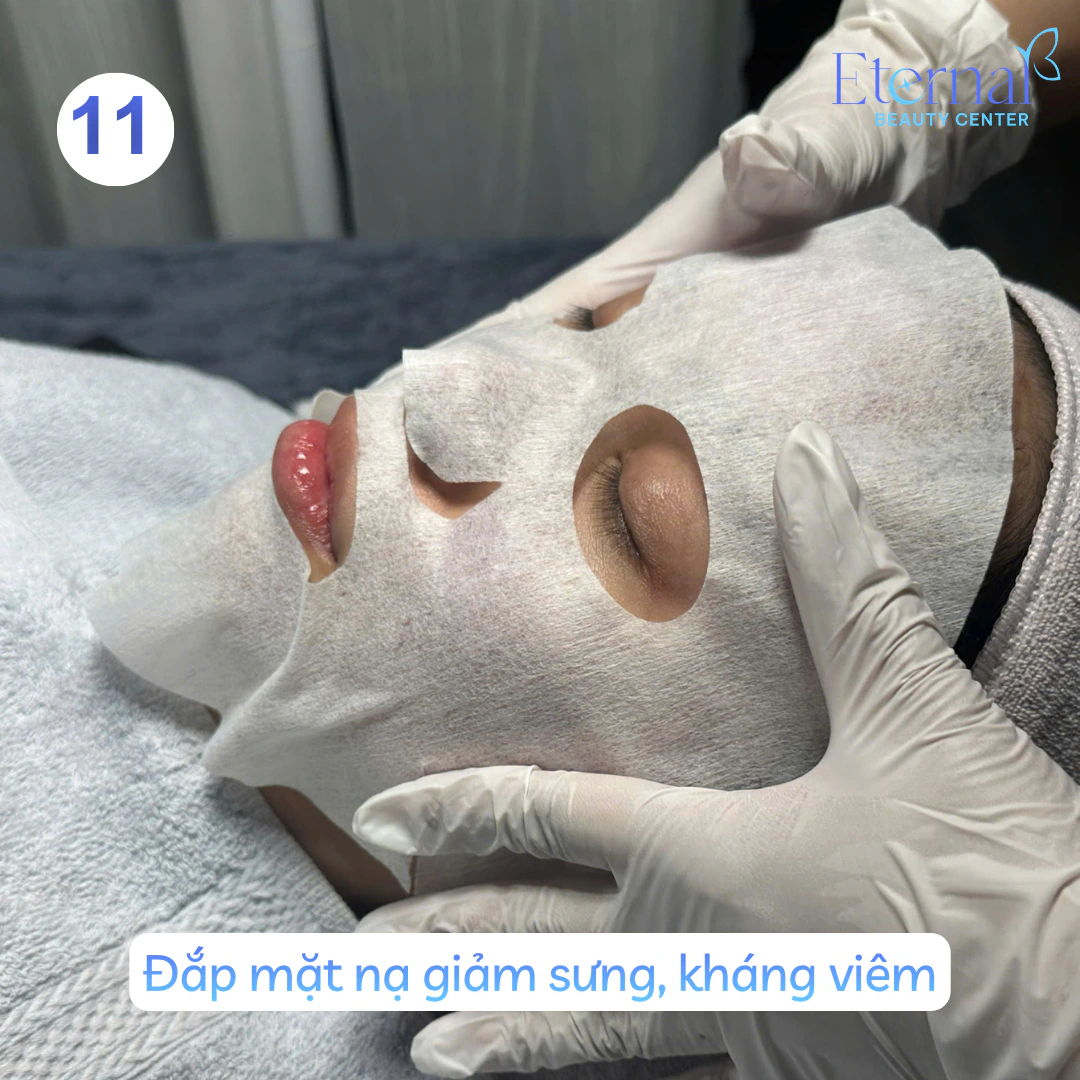
Step 11 – Soothing mask: Apply a mask to reduce swelling and inflammation.
Step 12 – Biolight: Biolight biological light supports antibacterial and anti-inflammatory action.
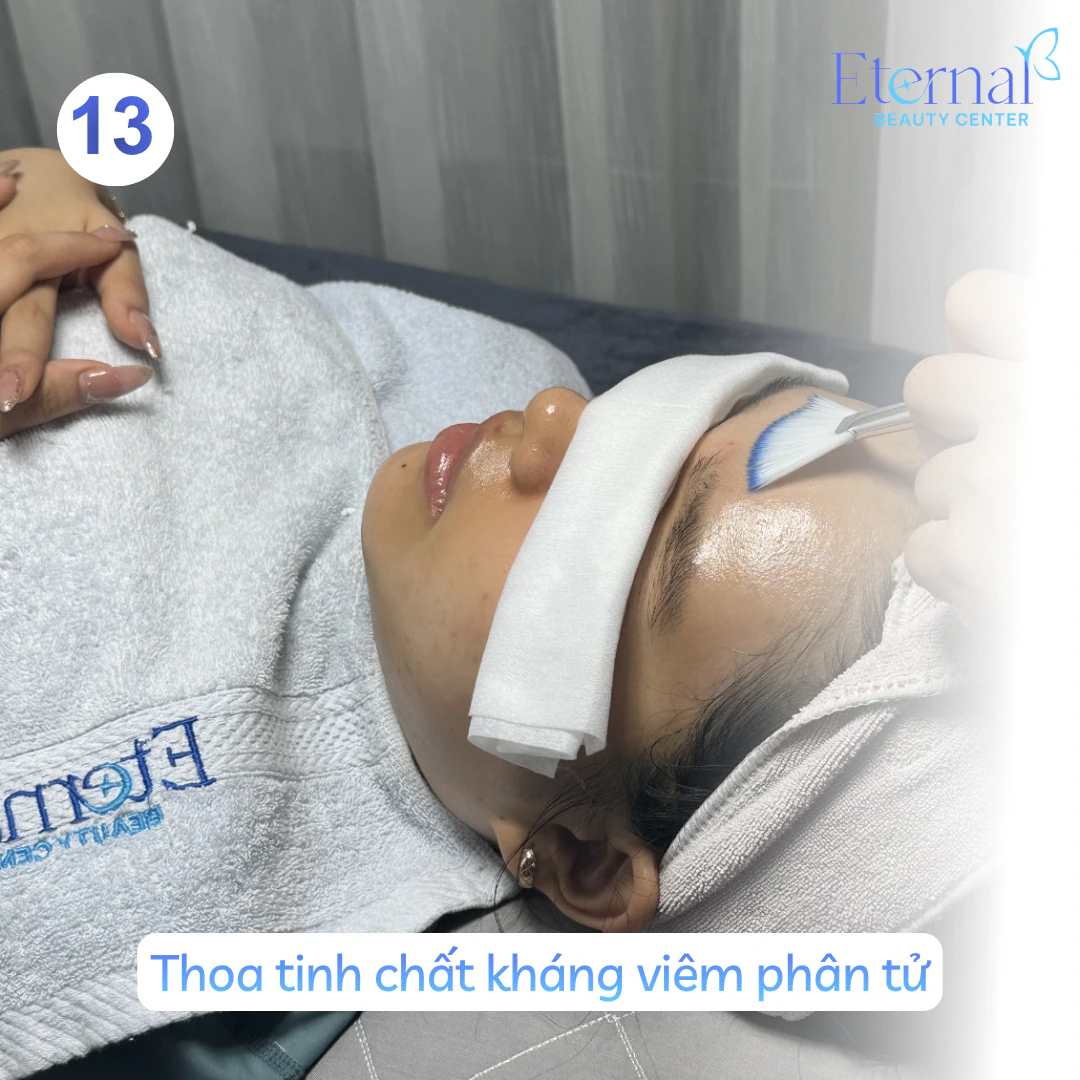
Step 13 – Anti-inflammatory serum: Apply a molecular anti-inflammatory serum.
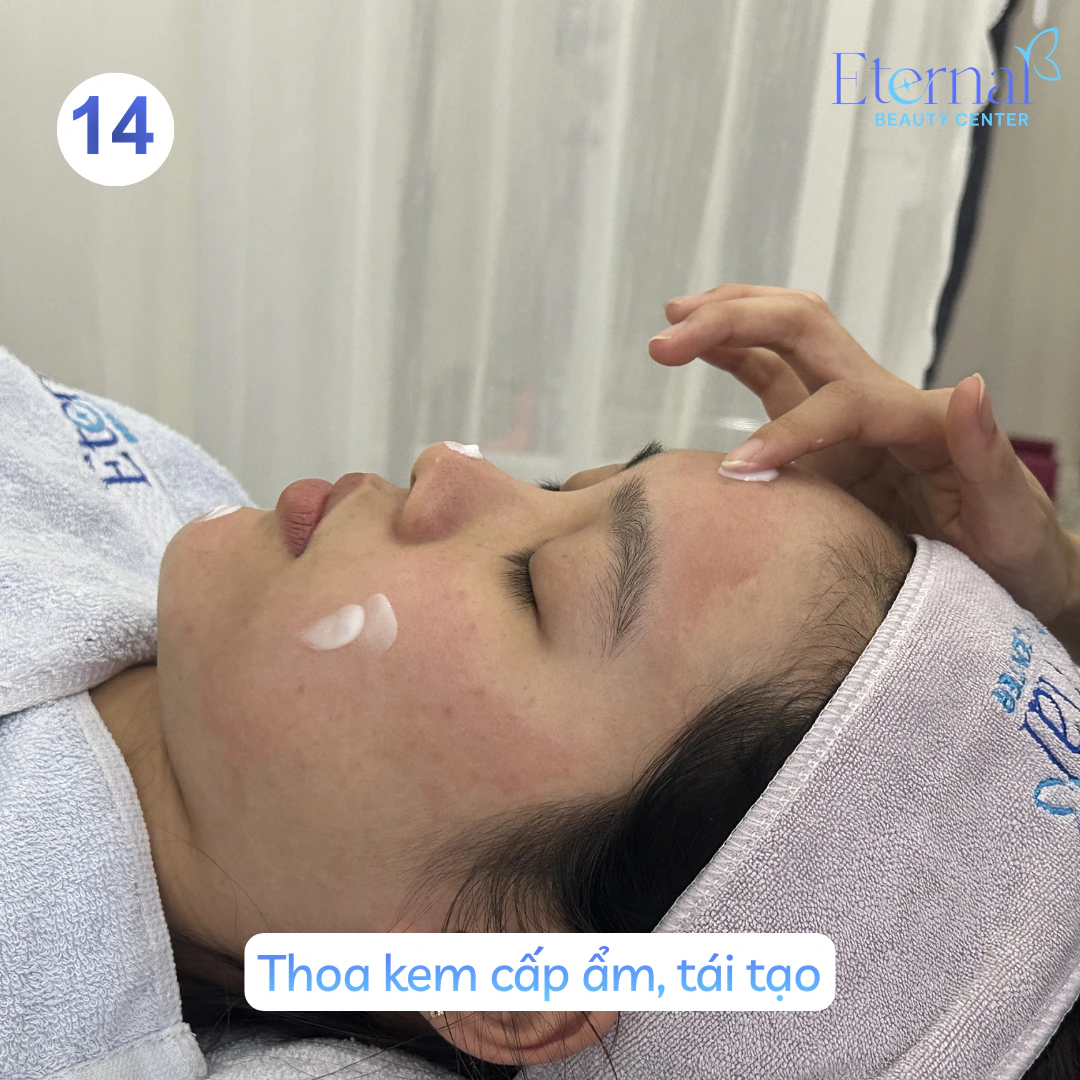
Step 14 – Hydrate and repair: Apply a moisturiser to hydrate and restore the skin barrier.
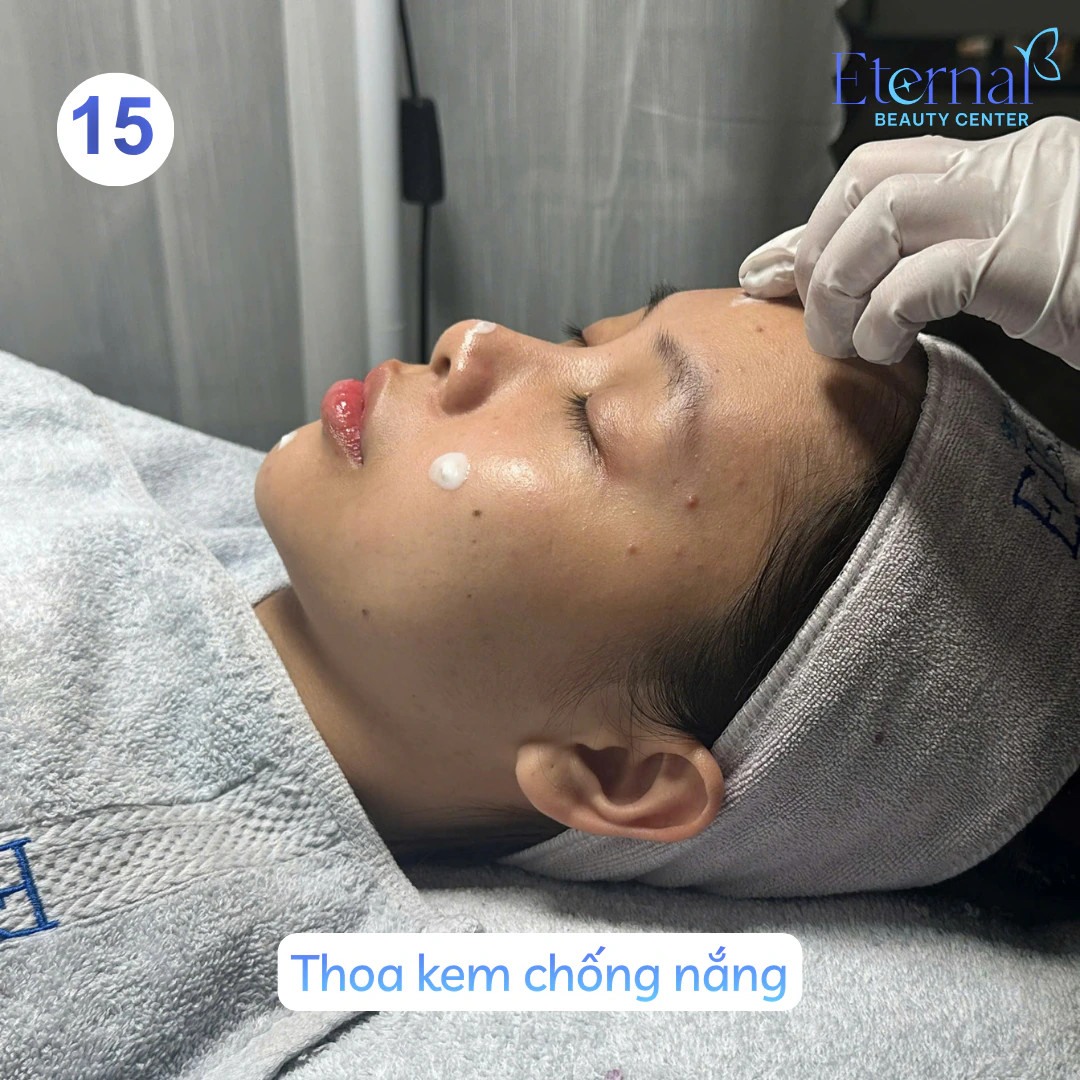
Step 15 – Sun protection: Apply sunscreen to protect the skin from UV rays.
Book an examination with a dermatologist at Eternal
Every case of acne-prone skin is its own story. Instead of struggling alone, let a dermatologist at Eternal examine your skin, assess it and build a protocol that fits your skin, budget and goals — with a commitment to stay involved until your skin is truly stable.
Contact Eternal Beauty Center by Dr. Le Hien for a consultation and to book a medical acne-treatment examination.