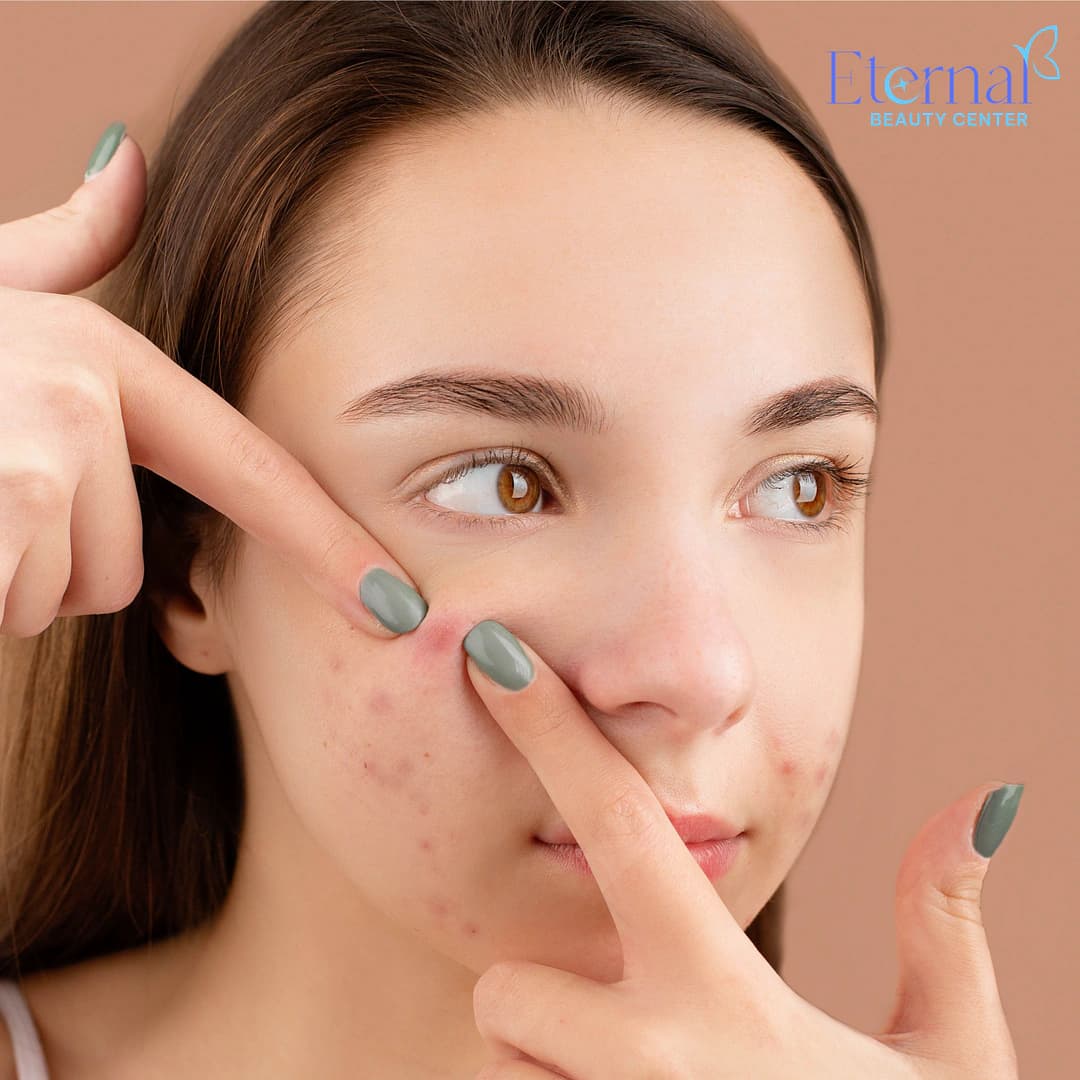
You bought a new product, started using it eagerly, and suddenly your skin breaks out. This is one of the most common patterns we see at the clinic — and it's almost always preventable. Here's a dermatologist-informed approach to introducing new products without triggering reactions.
1. Always patch-test first
Apply a small amount to the inside of your forearm or behind your ear for 3–5 consecutive nights before applying to your face. Watch for redness, itching or bumps.
2. Introduce one product at a time
If your skin reacts when you've started three products at once, you'll never know which one caused it. Stick to one new product every 2 weeks.
3. Distinguish breakouts from purging
Products with actives (retinoids, AHAs, BHAs) can cause initial "purging" — surfacing of pre-existing congestion. This typically resolves within 4–6 weeks. True breakouts from incompatibility don't.
4. Start with the lowest concentration
Whether it's retinol, vitamin C or exfoliating acids, start low and slow. Twice a week, then build up.
5. Keep barrier care non-negotiable
A strong skin barrier prevents most reactive breakouts. Stick with a barrier-friendly cleanser, moisturiser and SPF as your foundation. Test new products on top.
When to see a specialist
If you've had repeated breakouts from new products, book a skin consultation. Often there's an underlying barrier issue or sensitivity that explains the pattern. We'd love to help you figure it out.
- Hotline: +84 334 713 610
- Address: 204 Street 1, Ward 16, Go Vap District, Ho Chi Minh City